Summer has a way of making even a great skincare routine stop working. Your winter moisturizer suddenly feels greasy, sunscreen seems heavier than usual, and by lunchtime your face can swing from shiny to dehydrated at the same time. I’ve made the mistake of piling on more products to fix it, but that usually made things worse instead of better.
The good news is that The Only Summer Skincare Routine You Need Morning Night isn’t complicated. It’s about using fewer products, choosing lighter textures, and protecting your skin without stripping it. Once I simplified my routine instead of chasing every trend, my skin stayed far more comfortable through hot, humid days.
Quick Answer
A simple summer skincare routine starts with a gentle cleanser, lightweight hydration, and broad-spectrum sunscreen every morning. At night, remove sunscreen thoroughly, restore moisture with lightweight products, and use treatment products only when your skin needs them. The goal isn’t more skincare—it’s helping your skin stay balanced despite heat, sweat, UV exposure, and increased oil production.
Why Your Skin Behaves Differently in Summer
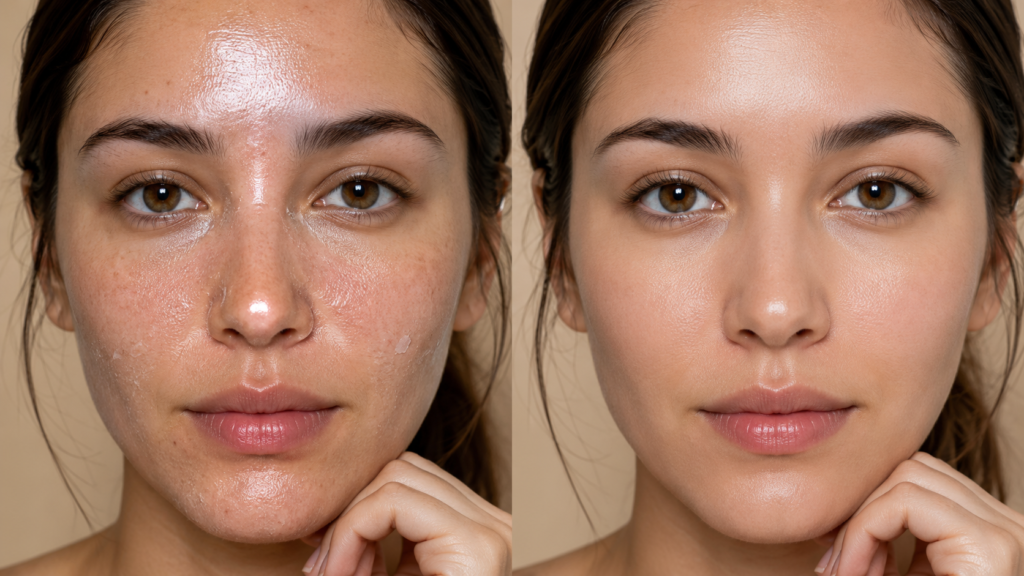
Heat, humidity, UV exposure, sweat, and air conditioning all affect your skin at the same time. Your oil glands often become more active, but that doesn’t automatically mean your skin is hydrated. In fact, many people have oily yet dehydrated skin during summer because sweat evaporates while indoor air conditioning slowly pulls moisture from the skin.
That’s why harsh cleansers and alcohol-heavy toners often backfire. Your skin responds by producing even more oil while feeling tight underneath. The best summer skincare routine works with your skin instead of constantly trying to fight it.
Morning Summer Skincare Routine
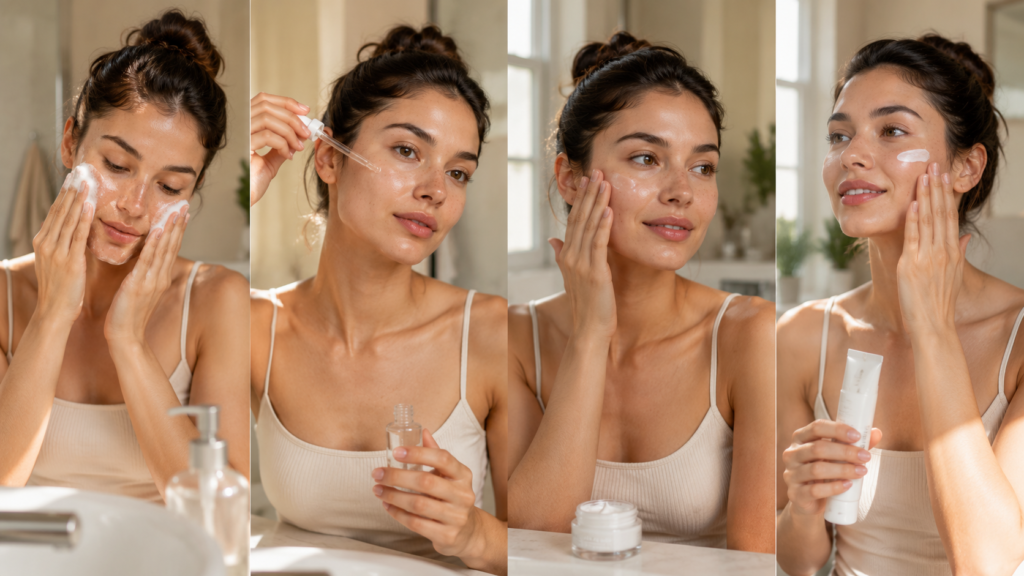
Step 1: Cleanse Without Over-Cleansing
Start with a gentle cleanser that removes overnight oil without leaving your face squeaky clean. If you wake up with very dry skin, you may not even need a full cleanser every morning. A quick rinse with lukewarm water followed by skincare can be enough.
If you have oily or combination skin, choose a lightweight gel cleanser or low-foam cleanser that removes excess oil while respecting your skin barrier. One mistake I kept making was washing my face twice after morning workouts. My skin became shinier throughout the day because I had stripped away too much natural oil.
Good to Know: If your face feels tight immediately after cleansing, your cleanser is probably stronger than your skin actually needs.
Step 2: Use Lightweight Hydration
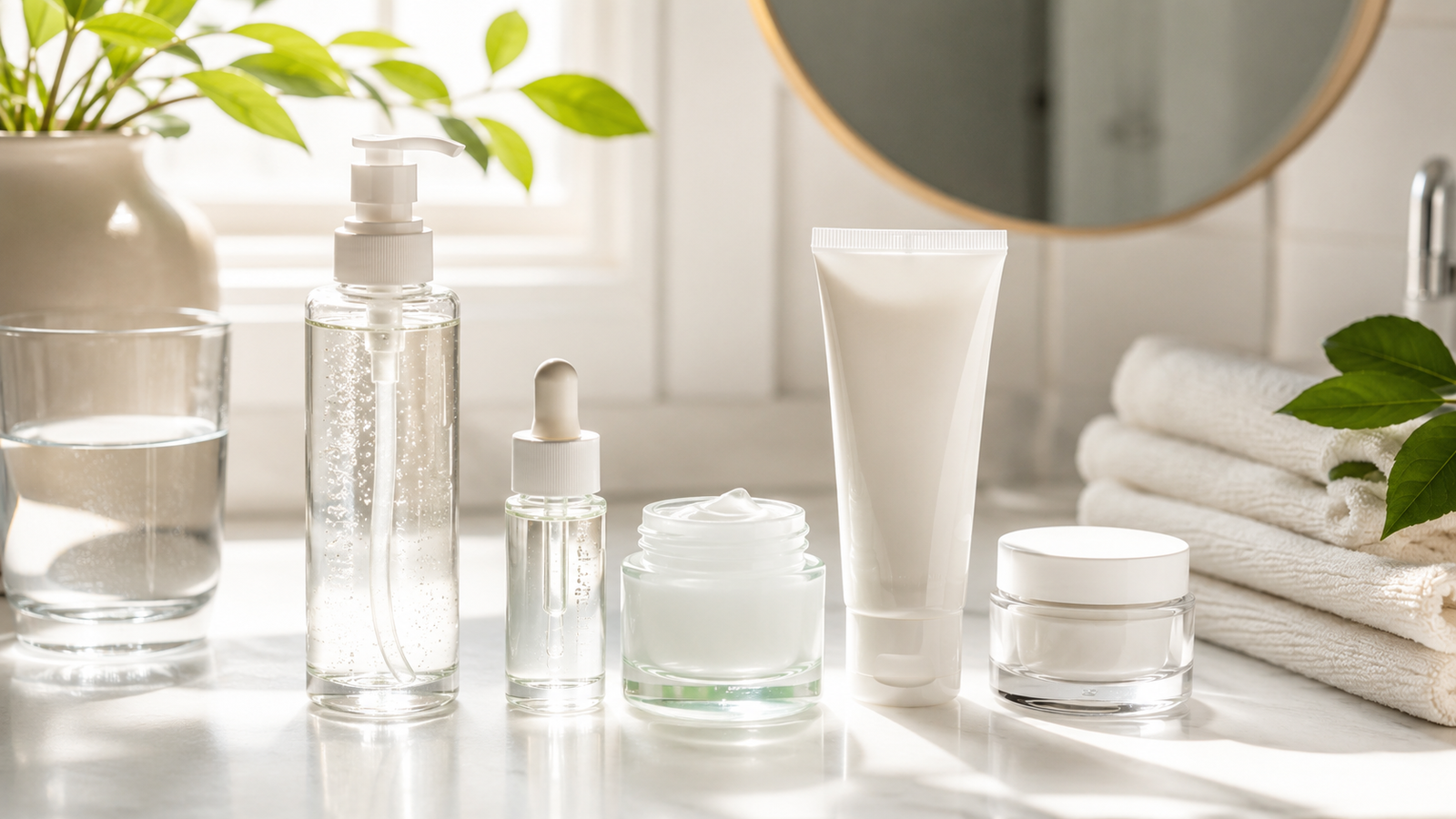
Summer hydration should feel invisible on your skin. A lightweight hydrating serum containing humectants works well because it attracts water into the upper layers of the skin. If your home is heavily air-conditioned, follow it quickly with moisturizer so that moisture stays where you want it.
Many people stop moisturizing completely during summer. I tried that one year and ended up with flaky skin around my nose despite having an oily forehead. Look for lightweight formulas that absorb quickly instead of leaving a heavy layer behind.
Choose products that contain:
- Ceramides
- Glycerin
- Hyaluronic acid
- Panthenol
- Lightweight gel or lotion textures
- Fragrance-free formulas if your skin is easily irritated
Cream texture isn’t automatically bad in summer. It simply depends on your skin type and how much hydration your skin actually needs.
Step 3: Add Antioxidants if You Want Extra Protection
This step is optional but helpful. An antioxidant serum can help support your skin against environmental stress caused by pollution and UV exposure. It doesn’t replace sunscreen, but it complements it by helping your skin deal with daily environmental damage.
Use antioxidant products before moisturizer if you’re including them in your morning routine. Don’t feel pressured to use one if your skin already becomes irritated easily. Consistency matters far more than having every trending active ingredient.
Step 4: Moisturize Just Enough
Your moisturizer should disappear within a minute or two. If it still feels heavy after several minutes, it’s probably richer than you need during warmer weather. Summer isn’t about removing moisture from your routine—it’s about switching to lighter textures.
Instead of thick occlusive creams, choose lightweight gel creams, lotions, barrier-supporting moisturizers, or oil-free formulas if you’re acne-prone. The right moisturizer should leave your skin comfortable instead of sticky.
Step 5: Never Skip Sunscreen
This is the one product that genuinely deserves to stay in every morning routine. Choose a broad-spectrum SPF 30 or higher that you’ll actually enjoy wearing every day. If you’re not sure which formulas are worth buying, check out our guide to the 15 sunscreens dermatologists actually use themselves. The best sunscreen is the one you’ll happily apply and reapply.
If your sunscreen pills under makeup, wait a few minutes after moisturizer before applying it. Rushing through layers is one of the biggest reasons skincare starts rolling off instead of sitting smoothly on the skin.
Pro Tip: Apply sunscreen to your ears, eyelids, neck, and the back of your hands. Those areas often show sun damage earlier because they’re easy to forget.
Night Summer Skincare Routine
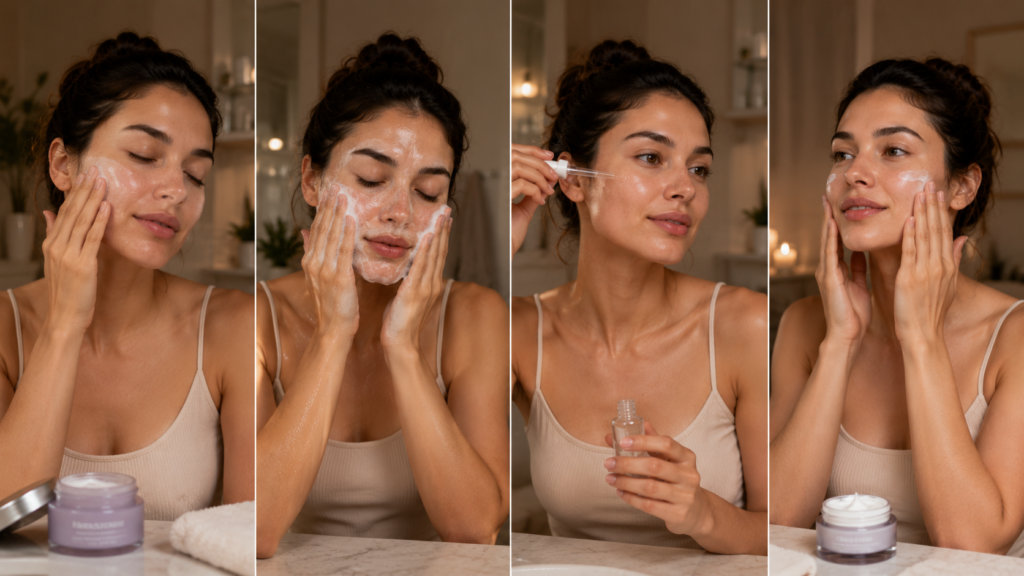
Step 1: Remove Sunscreen Completely
Even lightweight sunscreen forms a protective film that should be removed before bed. If you’re wearing water-resistant sunscreen, makeup, or several skincare layers, consider starting with an oil-based cleanser or cleansing balm before using a gentle water-based cleanser.
If you’ve only worn lightweight sunscreen, one thorough cleanse may be enough. The goal isn’t double cleansing every night—it’s removing everything without excessive rubbing or over-cleansing your skin.
Step 2: Rehydrate the Skin
Nighttime is when your skin naturally works on repair, making hydration especially important. After cleansing, apply a hydrating serum while your skin is still slightly damp, then seal it with a lightweight moisturizer that supports the skin barrier.
Hydration after cleansing helps reduce that tight feeling many people mistake for “clean skin.” Your skin should feel comfortable after your routine, not stretched or dry.
Step 3: Use Active Ingredients Carefully
Summer doesn’t mean you have to stop using retinoids or chemical exfoliants. It does mean you should use them more thoughtfully because your skin is already dealing with extra heat, sweat, and sun exposure. Adding too many strong products at once often causes irritation instead of better results.
If you’re using a retinoid, apply it only after your skin is completely dry and follow with moisturizer if your skin tends to become dry. Don’t increase how often you use it simply because your face feels oilier. Oil production and skin tolerance aren’t the same thing.
If you’re exfoliating with acids, one or two nights each week is enough for most people. More isn’t better. Over-exfoliation usually shows up as redness, stinging, and unexpected sensitivity long before you notice peeling.
I once added an extra exfoliating night because my skin looked dull after a beach trip. Within a few days, everything—even moisturizer—started stinging. My skin barrier needed rest, not another active ingredient.
Watch Out: If every skincare product suddenly burns, stop adding more actives. Give your skin a few nights with only cleanser and moisturizer before slowly bringing treatments back.
Step 4: Lock In Moisture
Finish your evening routine with a moisturizer that matches your skin’s needs. Most people don’t need a thick overnight cream during summer, especially if they already live in a humid climate.
A lightweight moisturizer should leave your skin comfortable by morning without feeling greasy. If you wake up feeling tight, choose something slightly richer. If your face feels oily every morning, a lighter texture will usually work better.
How to Adjust the Routine for Your Skin Type
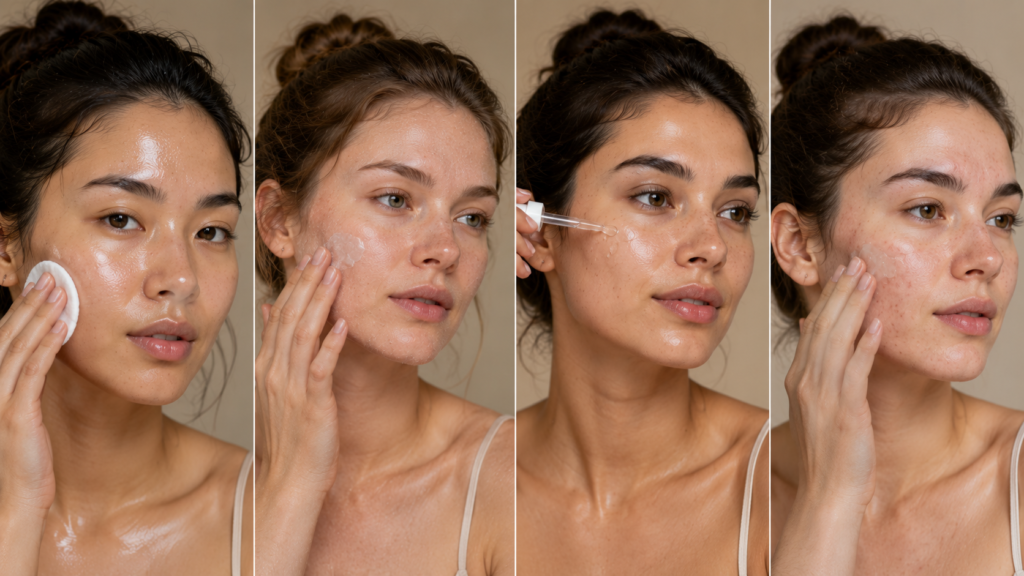
Oily Skin
Focus on lightweight hydration instead of trying to remove every bit of oil. Strong cleansers often encourage your skin to produce even more oil because the skin barrier has been disrupted. A gentle gel cleanser, lightweight moisturizer, and daily sunscreen are usually enough.
Dry Skin
Dry skin still needs moisture during summer, even if the weather feels humid. Use hydrating layers and don’t skip moisturizer simply because temperatures have increased. If air conditioning leaves your skin feeling tight, apply a slightly richer moisturizer before bed.
Combination Skin
You don’t have to treat your entire face the same way. Your forehead may prefer a lightweight gel moisturizer while your cheeks benefit from something slightly more nourishing. Adjusting products by area often works better than forcing one formula across your whole face.
Acne-Prone Skin
Choose non-comedogenic products and avoid layering several strong active ingredients together. Healthy skin barriers usually tolerate acne treatments much better than irritated skin. Sometimes simplifying your routine improves breakouts more than adding another treatment.
Summer Skincare Mistakes That Cause More Problems Than Heat
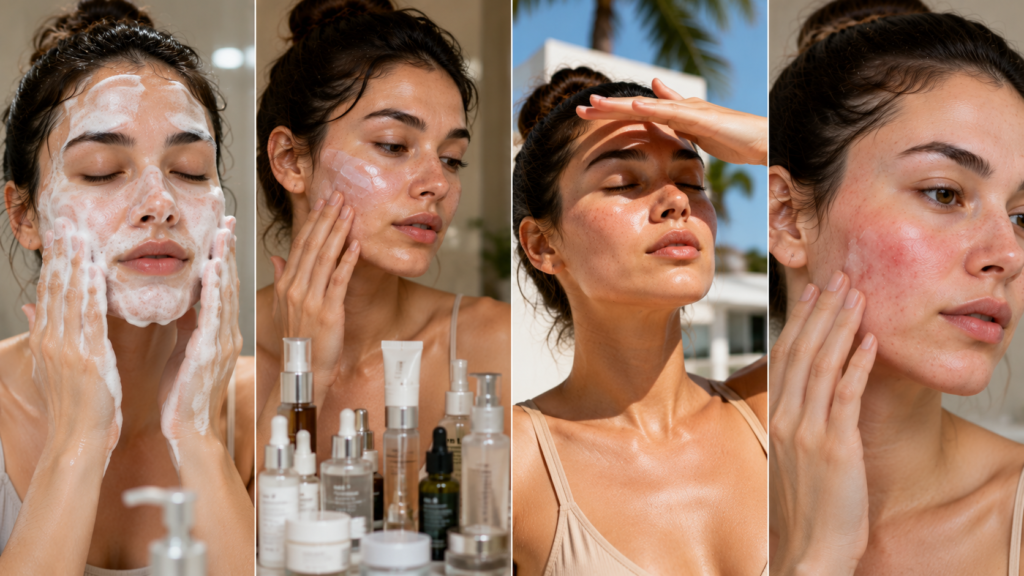
Using Too Many Active Ingredients
Retinoids, exfoliating acids, vitamin C, and acne treatments all have their place. Using several powerful ingredients every day often creates irritation instead of faster results. Your skin can only tolerate so much before the barrier starts struggling.
Washing Your Face Too Often
Sweat doesn’t automatically mean you need another cleanser. If you’ve exercised, rinsing with cool water may be enough until your regular evening cleanse. Constant washing removes protective oils your skin actually needs.
Forgetting to Reapply Sunscreen
Applying sunscreen once in the morning isn’t enough if you’re outdoors for hours, swimming, or sweating heavily. Reapplication matters just as much as the first application because sunscreen gradually wears away throughout the day.
Assuming Oily Skin Doesn’t Need Moisturizer
Oil and hydration aren’t the same thing. Skin can look shiny while still lacking water. Supporting your skin barrier with the right moisturizer usually helps your skin feel more balanced than constantly trying to dry it out.
How Long Before You Notice a Difference?
Most people notice their skin feels more comfortable within the first week after simplifying their routine. Oil levels often become more balanced after two to four weeks, while improvements in overall texture usually happen gradually with consistent care.
If you’re introducing retinoids or exfoliating acids, don’t expect overnight changes. Healthy skin responds better to steady routines than frequent product changes. If you develop persistent redness, painful acne, severe irritation, or a rash that doesn’t improve after simplifying your routine, it’s worth seeing a dermatologist for personalized advice.