For years, I assumed my dry skin needed a more expensive moisturizer. Every time my face felt tight or flaky, I bought another cream that promised deep hydration. Some helped for a few hours, but by the next afternoon my skin felt dry all over again. Looking back, I wasn’t solving the real problem—I was only treating the symptoms.
Slugging Changed My Dry Skin Forever Here Is How isn’t a story about discovering a miracle product. It’s about finally understanding why my skin couldn’t hold onto moisture in the first place. Once I focused on protecting my skin barrier instead of constantly layering new products, my routine became simpler, and my skin started feeling comfortable for the first time in years.
If you’ve been dealing with dry patches, tightness after cleansing, or makeup that clings to flaky skin, slugging might be worth trying. It won’t fix every skin concern overnight, but when it’s done correctly, it can make a noticeable difference in how your skin feels and behaves.
Quick Answer
Slugging is a nighttime skincare technique where you apply a thin layer of an occlusive ointment as the final step of your routine. It doesn’t moisturize your skin by itself. Instead, it locks in the hydration from your serums and moisturizer, helping reduce overnight moisture loss and giving your skin barrier time to recover.
Why My Skin Stayed Dry Even After Using Good Moisturizers
For a long time, I thought my skin simply wasn’t getting enough hydration. I kept switching moisturizers, hoping the next one would finally solve the problem. Some were richer than others, but none of them stopped that familiar tight feeling that always came back before the day was over.
The issue wasn’t that my moisturizers were bad. The real problem was that my skin barrier wasn’t doing its job properly. When the barrier becomes weakened, your skin loses water more easily through a process known as transepidermal water loss. Even a great moisturizer struggles to keep skin comfortable if that moisture keeps escaping.
Once I understood that, slugging made much more sense. Instead of adding another hydrating product, I started focusing on keeping the hydration I already had. That small shift completely changed the way I looked at skincare.
What Slugging Actually Does for Dry Skin
One of the biggest misconceptions online is that slugging “hydrates” your skin. It doesn’t. An occlusive ointment contains very little water, so it isn’t adding hydration the way a serum or moisturizer does.
Its real job is to create a protective layer over your skincare. That layer slows down water loss while you sleep, giving your moisturizer more time to work and allowing your skin barrier to repair itself without constantly losing moisture into the air.
That’s why slugging works best after a hydrating routine, not instead of one. Think of it as putting a lid on a pot of water. The lid doesn’t create more water—it simply keeps it from evaporating too quickly.
Slugging Changed My Dry Skin Forever Here Is How
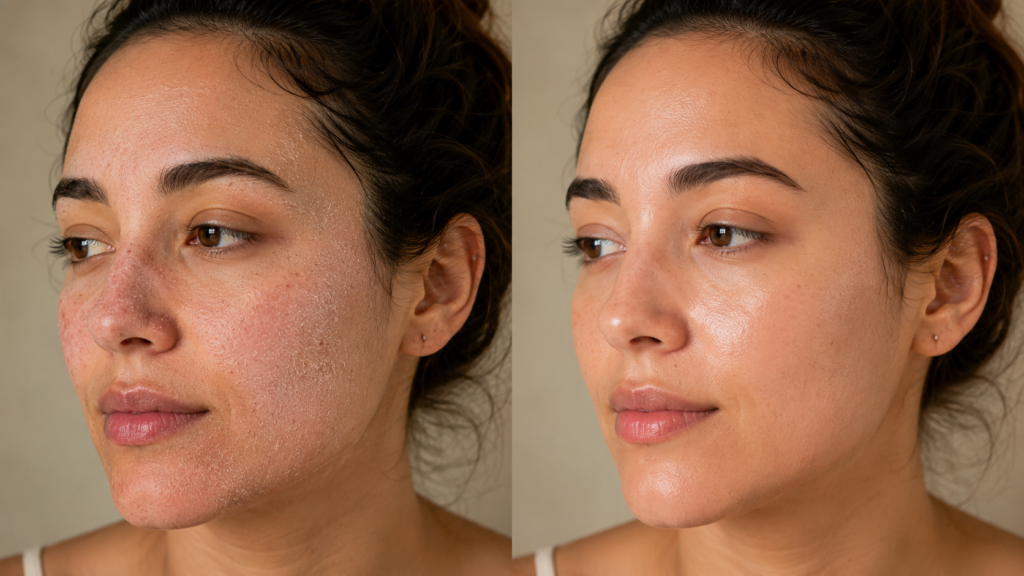
I wish I could say my skin transformed after one night, but that wasn’t my experience. The first thing I noticed was much smaller than that. I woke up without the usual tight feeling around my cheeks, and my skin stayed comfortable longer after washing my face.
By the end of the first week, the flaky patches around my nose had started disappearing. My makeup looked smoother because foundation wasn’t catching on dry skin as much. Those changes weren’t dramatic, but they were consistent enough that I knew something was finally working.
After several weeks, I realized I wasn’t reaching for moisturizer throughout the day anymore. My skin wasn’t perfect, but it felt stronger and less reactive. That was the biggest improvement of all. Healthy skin doesn’t constantly remind you that it’s dry, and that’s exactly how mine started to feel.
How to Slug the Right Way
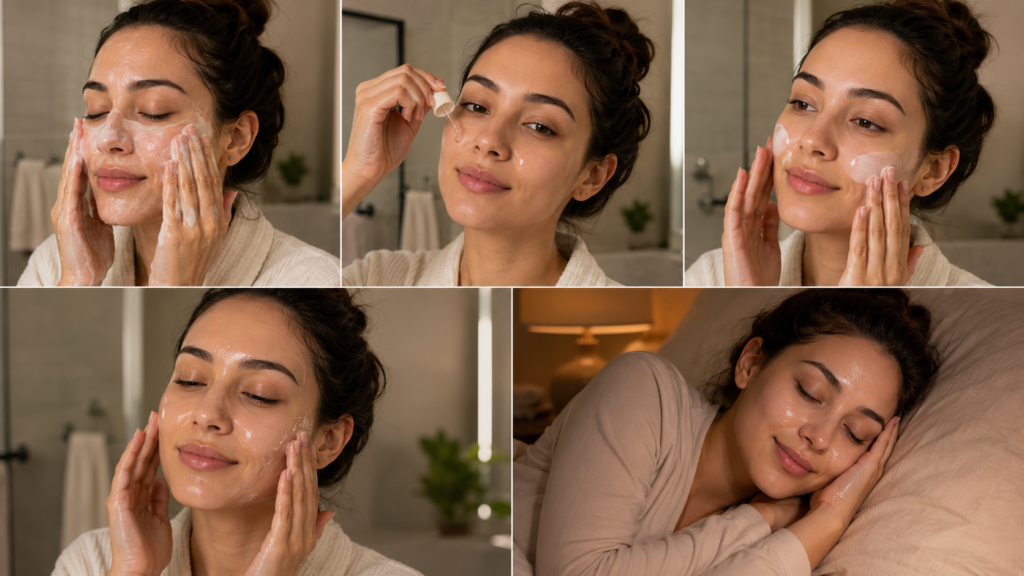
Step 1: Start With a Gentle Cleanser
Begin with a cleanser that removes sunscreen, makeup, and daily buildup without stripping your skin. If your face feels squeaky clean or tight immediately after washing, your cleanser may be removing more oil than necessary, making it harder for your skin barrier to stay healthy.
Keeping cleansing gentle is more important than many people realize. Starting with irritated skin makes it much harder for slugging to do its job because your barrier is already under stress before the rest of your routine even begins.
Step 2: Apply Hydrating Products First
Slugging should always be the last step, never the first. After cleansing, apply your usual hydrating products, such as a lightweight hydrating serum followed by a fragrance-free moisturizer that contains ingredients like ceramides, glycerin, or squalane.
Those products provide the water and skin-supporting ingredients your barrier needs. The occlusive layer simply helps prevent that moisture from escaping overnight. If you apply the occlusive product first, the rest of your skincare won’t absorb properly.
Step 3: Wait a Minute Before the Final Layer
I used to rush through my nighttime routine and immediately apply everything one after another. Giving your moisturizer about a minute to settle into the skin makes the routine feel less slippery and helps each layer sit more comfortably.
This doesn’t mean waiting until your face is completely dry. You simply want your moisturizer to settle slightly before sealing it in. That balance makes the routine feel lighter and reduces the chance of product pilling.
Step 4: Use Less Than You Think
This is where many people accidentally overdo slugging. You don’t need a thick, shiny layer covering your face. A pea-sized amount is usually enough for your entire face, spread into a very thin, even layer.
The first time I tried slugging, I used far too much because I assumed more product would give better results. All it did was transfer onto my pillowcase. Once I started using a much thinner layer, my skin felt just as hydrated without the greasy mess.
Pro Tip: If your face still looks extremely greasy after five minutes, you’ve probably applied more product than necessary. A thin protective layer works just as well and feels much more comfortable while you sleep.
Step 5: Leave It On Overnight
Once the final layer is applied, leave it alone until morning. There’s no need to keep adding more product or touching your face throughout the evening. Your skin does much of its natural repair work while you sleep, and the occlusive layer simply helps create a better environment for that process.
In the morning, wash your face with your usual gentle cleanser and continue with your regular daytime skincare routine. Most people notice that their skin feels softer after the first night, but the biggest improvements usually come after consistent use over several weeks.
Why Slugging Worked Better Than Another Expensive Moisturizer
Before I tried slugging, I kept thinking the answer was buying a richer cream. Every winter I switched products, hoping the next moisturizer would finally fix my dry skin. Some felt luxurious when I applied them, but the tightness always returned by lunchtime the next day.
Slugging changed that because it addressed something I had completely overlooked—water loss. Even a well-formulated moisturizer can’t do much if your skin barrier isn’t holding onto hydration. Once I started sealing my moisturizer in overnight, my skin finally had time to recover instead of losing moisture while I slept.
That experience also made me realize that healthy skin isn’t about using the most products. It’s about helping your skin do what it’s naturally designed to do: protect itself and retain moisture.
The Biggest Slugging Mistakes I See All the Time
Slugging on Dry Skin
One of the most common mistakes is applying an occlusive product directly onto freshly cleansed skin without using a moisturizer first. Since occlusive products don’t add water to your skin, you’re simply sealing in dryness instead of hydration.
Always apply your hydrating products first. A fragrance-free moisturizer with barrier-supporting ingredients gives your skin something worthwhile to lock in overnight.
Using Too Much Product
Social media often shows faces covered in a thick, glossy layer of ointment, but that’s rarely necessary. A heavy coating won’t give better results, and it usually ends up on your pillowcase instead of your skin.
A thin, even layer creates the same protective barrier while feeling much more comfortable. Once I started using less product, I actually liked slugging a lot more because it didn’t feel sticky or messy.
Slugging Every Single Night Right Away
When I first discovered slugging, I assumed more was better. I used it every night for nearly two weeks before realizing my skin didn’t actually need it that often.
If you’re new to slugging, start with two or three nights each week. Once you see how your skin responds, you can adjust your routine based on how dry your skin actually feels instead of following someone else’s schedule.
Watch Out: If your skin suddenly becomes itchy, develops unusual bumps, or feels irritated after introducing a new product, stop using it and reassess your routine. Sometimes the issue isn’t slugging itself but another product layered underneath.
Who Should Try Slugging?
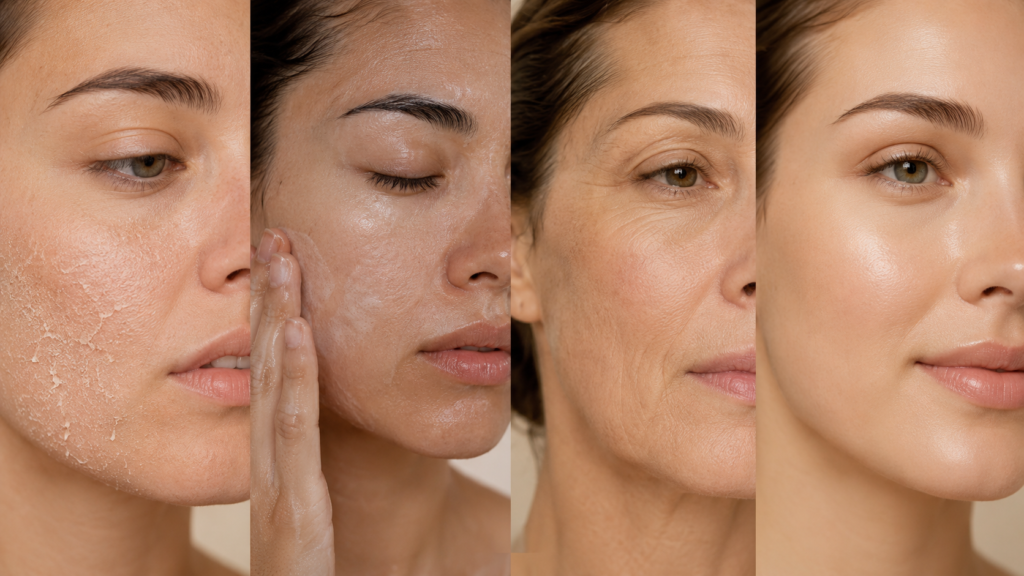
Slugging tends to work best for people whose biggest concern is moisture loss. If your skin often feels tight after cleansing, develops flaky patches, or becomes uncomfortable during colder months, you may notice a significant improvement.
It’s also worth considering if you’ve accidentally over-exfoliated your skin. Using too many acids, scrubs, or strong active ingredients can weaken the skin barrier, making it harder for your skin to hold onto moisture. In those situations, simplifying your routine and occasionally slugging can help support recovery.
People with mature skin often enjoy slugging as well because the skin naturally produces less oil over time. A stronger moisture barrier can leave the skin feeling more comfortable and reduce the appearance of surface dryness.
Who Should Skip It?
Slugging isn’t the right choice for everyone, and that’s perfectly okay. If your skin is naturally very oily or you’re prone to clogged pores, a heavy occlusive layer may feel uncomfortable or contribute to congestion.
Combination skin can still benefit from slugging, but you don’t necessarily have to apply it everywhere. Some people only use it on dry areas like the cheeks while leaving the oilier T-zone alone.
If you have an active skin infection, unexplained rash, or a persistent skin condition that isn’t improving, it’s better to get professional advice before trying new skincare techniques. Slugging supports the skin barrier, but it isn’t a treatment for underlying medical conditions.
Can You Slug With Retinoids?
Yes, but timing matters. Many people apply their retinoid first, follow with moisturizer, and finish with a thin occlusive layer to reduce dryness. Others find that sealing in a retinoid makes it feel stronger, especially when they’re just starting.
I made the mistake of combining slugging with a new retinoid during the same week. My skin became much more irritated than expected because I introduced two changes at once. Looking back, I would’ve adjusted to the retinoid first and added slugging later.
If you’re already comfortable using retinoids and your skin tolerates them well, slugging may help reduce some of the dryness that often comes with vitamin A products. If you’re new to retinoids, following a structured skin cycling routine can help your skin adjust more gradually before adding slugging. Just introduce changes gradually so you know what’s helping and what’s causing irritation.
How Often Should You Slug?
There’s no universal schedule because everyone’s skin loses moisture at a different rate. Some people with very dry skin are happiest slugging four or five nights a week, while others only need it after using exfoliating products or during colder weather.
Personally, I found that two or three nights a week gave me the best balance. My skin stayed comfortable without feeling overly coated every evening, and I didn’t feel like I had to rely on slugging every single night.
Instead of following a strict calendar, pay attention to how your skin feels. If it starts feeling tight or flaky again, that’s usually a better indicator than the number of days since your last slugging session.
Good to Know: If you use a humidifier while sleeping, your skin may naturally lose less moisture overnight. Some people find they don’t need to slug as often once the air in their home becomes less dry.
What Results Can You Realistically Expect?
Slugging can make your skin feel softer after just one night, but lasting improvements usually take more time. The goal isn’t instant perfection—it’s gradually helping your skin hold onto moisture more effectively.
Within the first week, many people notice less tightness after cleansing and fewer flaky patches. Makeup often applies more evenly because dry areas become smoother, and your moisturizer may seem to last longer throughout the day.
After several weeks of consistent use, your skin barrier may feel stronger and less reactive. That doesn’t mean slugging changes your skin type forever, but it can help your skin become more comfortable by reducing unnecessary moisture loss.
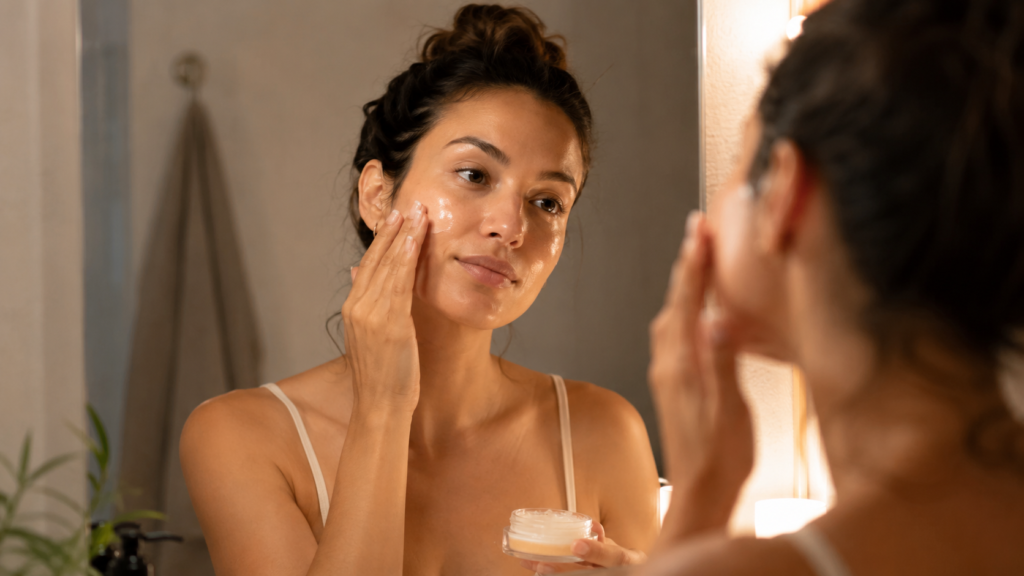
My Honest Opinion After Sticking With Slugging
I understand why slugging became so popular online, but I also think it’s sometimes overhyped. It’s not a cure for every skin problem, and it won’t replace a good moisturizer or fix concerns like acne, pigmentation, or wrinkles.
What it does exceptionally well is support a dry, compromised skin barrier. That’s exactly what I needed, and that’s why it made such a noticeable difference in my routine. Instead of constantly searching for stronger creams, I learned that protecting the hydration already in my skin was often more important.
If your skin is dry because it’s struggling to hold onto moisture, slugging is absolutely worth trying. Just keep your expectations realistic, stay consistent, and remember that healthy skin usually improves gradually rather than overnight.