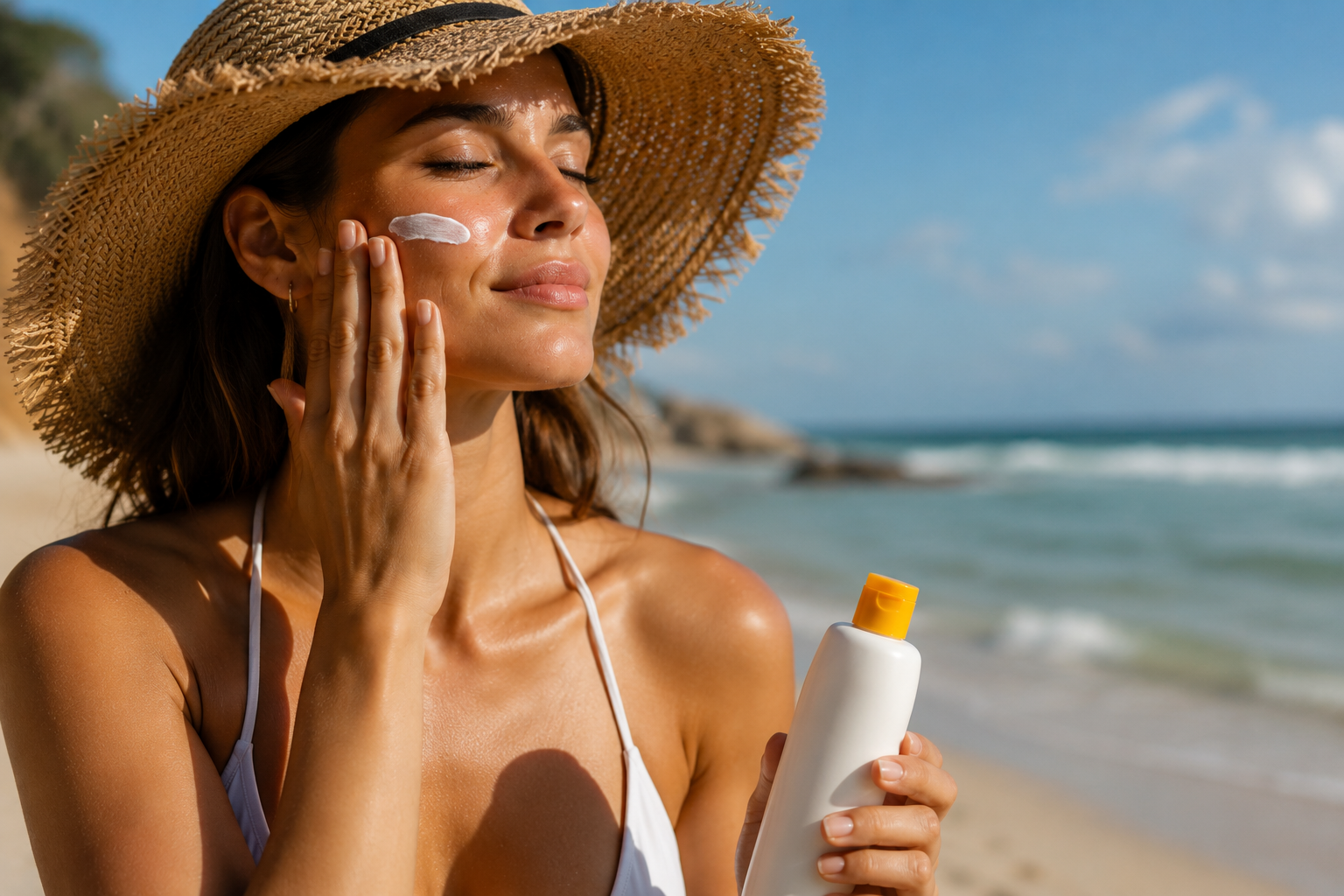
Most people don’t stop using sunscreen because they don’t believe in it. They stop because it pills under makeup, stings their eyes, feels greasy, or leaves a chalky cast. I’ve tested enough formulas over the years to know that the “best” sunscreen is the one you’ll happily wear every single day.
If you’ve searched for 15 sunscreens dermatologists actually use themselves, you’re probably looking for products that combine reliable UV protection with formulas people genuinely enjoy wearing—not just another list based on marketing. While no one can claim every dermatologist uses the same sunscreen, these are products that are widely respected in dermatology circles because of their filters, cosmetic elegance, and consistent performance.
Quick Answer
The sunscreens dermatologists commonly recommend—and many choose for their own routines—combine broad-spectrum SPF 30 or higher with dependable UVA protection, stable UV filters, and formulas people are likely to wear daily. The right sunscreen for you depends on your skin type, lifestyle, skin tone, and whether you’ll wear it under makeup or during outdoor activities.
What Makes a Sunscreen Worth Using Every Day?
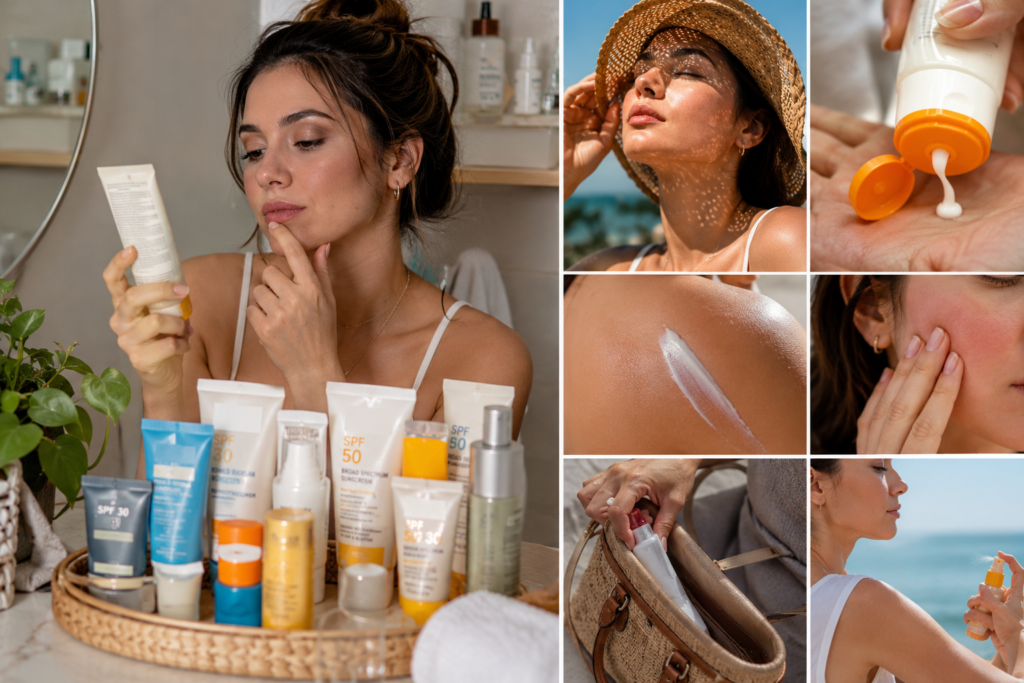
A sunscreen can have excellent UV filters and still sit untouched on your bathroom shelf.
The formulas professionals often gravitate toward usually have several things in common:
- Broad-spectrum protection
- SPF 30 or higher
- Comfortable texture
- Reliable UVA protection
- Minimal irritation
- Easy reapplication
One thing I’ve learned after trying countless formulas is that comfort matters almost as much as protection. A sunscreen that feels invisible is far more useful than one with impressive ingredients that you avoid wearing.
Good to Know: SPF tells you mainly about UVB protection. Daily skin aging is driven largely by UVA exposure, so broad-spectrum coverage is just as important.
15 Sunscreens Dermatologists Actually Use Themselves
1. EltaMD UV Clear SPF 46
Frequently recommended for acne-prone and sensitive skin, this lightweight sunscreen contains niacinamide alongside broad-spectrum protection. It layers beautifully under makeup without feeling heavy.
Best for: Acne-prone, combination, and sensitive skin.
2. La Roche-Posay Anthelios UVMune/Anthelios SPF 50+
Known for advanced UV filter technology and excellent UVA protection, this formula is a favorite among many skin professionals. Despite high protection, it feels surprisingly lightweight.
Best for: Daily wear and strong sun exposure.
3. ISDIN Eryfotona Actinica SPF 50+
This sunscreen combines mineral UV filters with DNA repair enzymes that have been studied for supporting skin exposed to chronic sun damage. It’s often suggested for people already showing signs of photoaging.
Best for: Mature skin and significant sun exposure.
4. CeraVe Hydrating Mineral Sunscreen SPF 30
If your skin barrier is compromised, a formula with ceramides can make daily sunscreen much more comfortable. This mineral option also helps reduce moisture loss.
Best for: Dry and sensitive skin.
5. Beauty of Joseon Relief Sun SPF 50+
This lightweight Korean sunscreen has earned a loyal following because it feels more like a moisturizer than traditional SPF. It leaves very little white cast and works well under makeup.
Best for: Normal, dry, and combination skin.
6. SkinCeuticals Physical Fusion UV Defense SPF 50
Tinted mineral sunscreens can help offset the white cast that many zinc oxide formulas create. This one blends well and provides an elegant finish.
Best for: Sensitive skin and those wanting light coverage.
7. Neutrogena Invisible Daily Defense SPF 60+
This chemical sunscreen absorbs quickly without feeling sticky. It performs well for everyday errands while remaining affordable.
Best for: Normal to oily skin.
8. Supergoop! Unseen Sunscreen SPF 40
The silicone-based texture doubles as a makeup primer, making sunscreen easier to incorporate into a morning routine.
Best for: Makeup wearers and oily skin.
9. Vanicream Facial Moisturizer SPF 30
Simple formulas are sometimes the smartest choice. This sunscreen skips many common irritants and focuses on barrier-friendly ingredients.
Best for: Extremely sensitive skin.
10. Blue Lizard Sensitive Mineral SPF 50+
Originally developed with sensitive skin in mind, this mineral sunscreen offers dependable protection without unnecessary fragrance.
Best for: Outdoor activities and reactive skin.
11. Aveeno Protect + Hydrate SPF 60
If sunscreen tends to make your skin feel tight by midday, this moisturizing formula is worth considering.
Best for: Dry skin.
12. Black Girl Sunscreen SPF 45
Many darker skin tones struggle with white cast. This moisturizing formula was designed to leave skin looking natural instead.
Best for: Medium to deep skin tones.
13. Eucerin Sun Oil Control SPF 50+
A matte finish can make a huge difference if your face becomes shiny before lunch. This formula helps reduce excess oil without feeling drying.
Best for: Oily and acne-prone skin.
14. Australian Gold Botanical Tinted SPF 50
This mineral sunscreen dries down to a matte finish and resists sweat well, making it popular for humid climates.
Best for: Oily skin and outdoor use.
15. Colorescience Sunforgettable Total Protection Flex SPF 50
This tinted mineral sunscreen offers impressive cosmetic elegance while providing high UV protection. The flexible tint adapts to several skin tones.
Best for: People wanting light complexion coverage.
Why Professionals Often Care More About Texture Than SPF 100
A higher SPF doesn’t mean you can apply less.
One of the biggest misconceptions I see is people choosing SPF 100 and applying half the recommended amount. In reality, a generously applied SPF 30 usually protects better than a thin layer of SPF 100.
Consistency beats chasing the biggest number on the bottle.
Pro Tip: Apply sunscreen to two fingers from base to tip for your face and neck. It’s not perfect for everyone, but it’s a practical starting point.
Mineral vs. Chemical Sunscreens: Which Is Better?
Neither is universally better.
Mineral sunscreens use zinc oxide, titanium dioxide, or both. They tend to suit highly sensitive skin but can leave a white cast.
Chemical sunscreens rely on modern UV filters that absorb UV energy before it damages skin. Many feel lighter and disappear into the skin more easily.
The best option is simply the one you’ll apply every morning.
The Biggest Mistakes That Make Sunscreen Less Effective
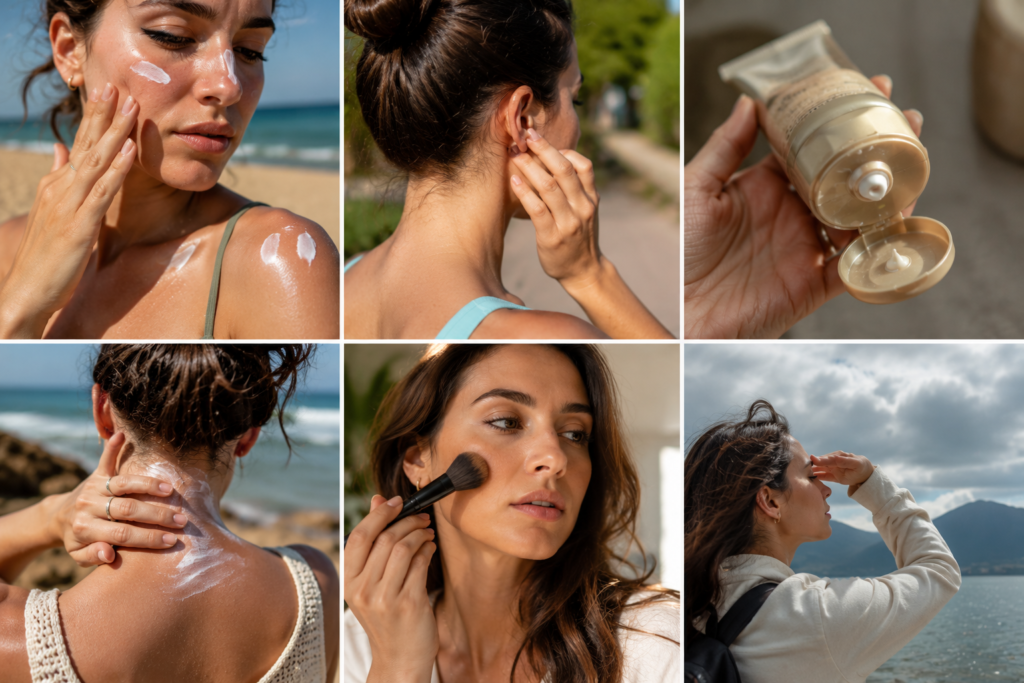
Even excellent sunscreen won’t perform well if it’s used incorrectly.
- Applying too little
- Forgetting ears, eyelids, neck, and hands
- Never reapplying outdoors
- Using expired sunscreen
- Assuming makeup SPF replaces sunscreen
- Skipping sunscreen on cloudy days
One mistake I made years ago was only applying sunscreen during vacations. Daily exposure from commuting, walking the dog, or sitting near windows adds up much more than people realize.
Watch Out: Water-resistant doesn’t mean waterproof. If you’re swimming or sweating heavily, you’ll still need to reapply according to the label instructions.
How to Choose the Right Sunscreen for Your Skin Type
Oily Skin
Look for lightweight gels, fluids, or matte finishes labeled oil-free or non-comedogenic.
Dry Skin
Cream-based formulas with glycerin, ceramides, or hyaluronic acid usually feel more comfortable throughout the day.
Sensitive Skin
Fragrance-free mineral sunscreens are often easier to tolerate.
Acne-Prone Skin
Choose lightweight formulas that won’t clog pores and avoid products that leave a heavy residue.
Deeper Skin Tones
Tinted mineral formulas or newer chemical sunscreens often minimize visible white cast.
What Sunscreen Won’t Do
Sunscreen is one of the best tools for preventing premature skin aging and reducing UV damage, but it isn’t magic.
It won’t erase wrinkles overnight.
It won’t fade dark spots by itself.
It won’t replace hats, sunglasses, or seeking shade during peak sunlight.
Think of sunscreen as the foundation of a skincare routine rather than the entire routine.
Your Sunscreen Questions, Answered
What sunscreen do dermatologists recommend most often?
Broad-spectrum SPF 30 or higher formulas with reliable UVA protection are most commonly recommended. The specific product varies depending on skin type, sensitivity, and lifestyle rather than one universally preferred sunscreen.
Is mineral sunscreen better than chemical sunscreen?
Not necessarily. Mineral sunscreens may suit sensitive skin better, while chemical sunscreens often feel lighter and are easier to wear daily. Consistent use matters more than choosing one category over the other.
How much sunscreen should I apply to my face?
Most adults need roughly two finger lengths of sunscreen for the face and neck combined. Applying too little significantly reduces the protection listed on the bottle.
Do I need sunscreen indoors?
If you spend time near large windows or receive regular daylight exposure, daily sunscreen is still worthwhile because UVA rays can pass through window glass.
Should sunscreen go before or after moisturizer?
Apply sunscreen as the final step of your morning skincare routine before makeup. It forms the protective layer that shouldn’t be diluted by products applied afterward.
Finding the right sunscreen isn’t about chasing the trendiest bottle—it’s about choosing one you’ll actually wear every morning. The products on this list have earned their reputations because they combine dependable UV protection with formulas that fit real life.
Try one that matches your skin type, wear enough of it, and don’t forget to reapply when you’re outdoors. Those simple habits will do far more for your skin over time than constantly switching to the newest formula.
Save this guide so you’ll have a trusted sunscreen shortlist the next time you’re shopping.