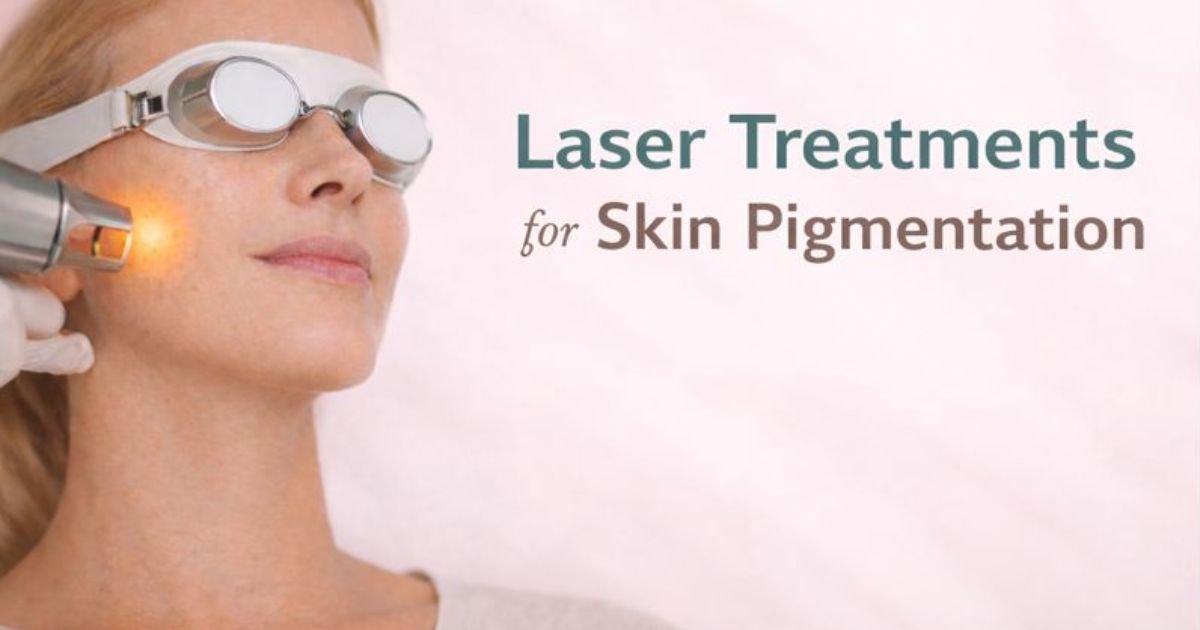
Laser treatments for skin pigmentation can provide a safe and effective solution for those looking to improve their skin tone and texture. Whether you’re dealing with age spots, sun damage, melasma, or post-inflammatory hyperpigmentation, lasers can target the deeper layers of the skin to reduce these imperfections. However, it’s important to understand how these treatments work, who benefits from them, and what you can realistically expect in terms of results and safety. This guide provides a detailed, evidence-based breakdown of laser treatments for skin pigmentation, offering practical insights from a board-certified dermatologist with over 20 years of experience.
Who May Benefit & Who Should Avoid Laser Treatments?
Ideal Candidates:
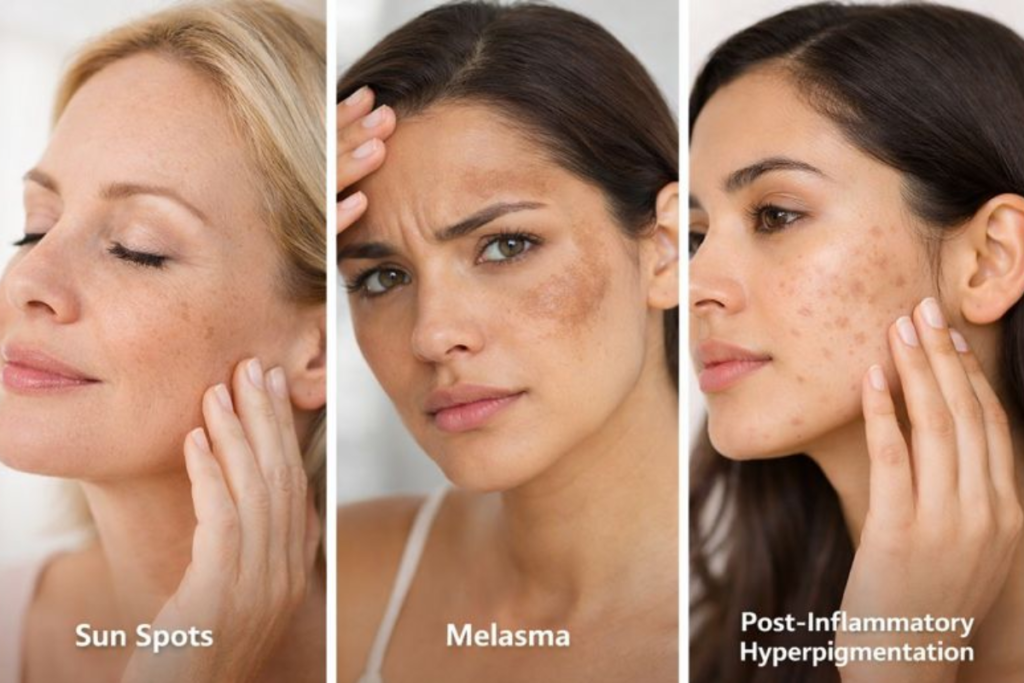
Laser treatments are most effective for people with fair to medium skin tones, and those dealing with:
- Sun spots and age spots.
- Melasma (hyperpigmentation caused by hormonal changes).
- Post-inflammatory hyperpigmentation (dark spots following acne or injury).
Who Should Avoid Laser Treatments:
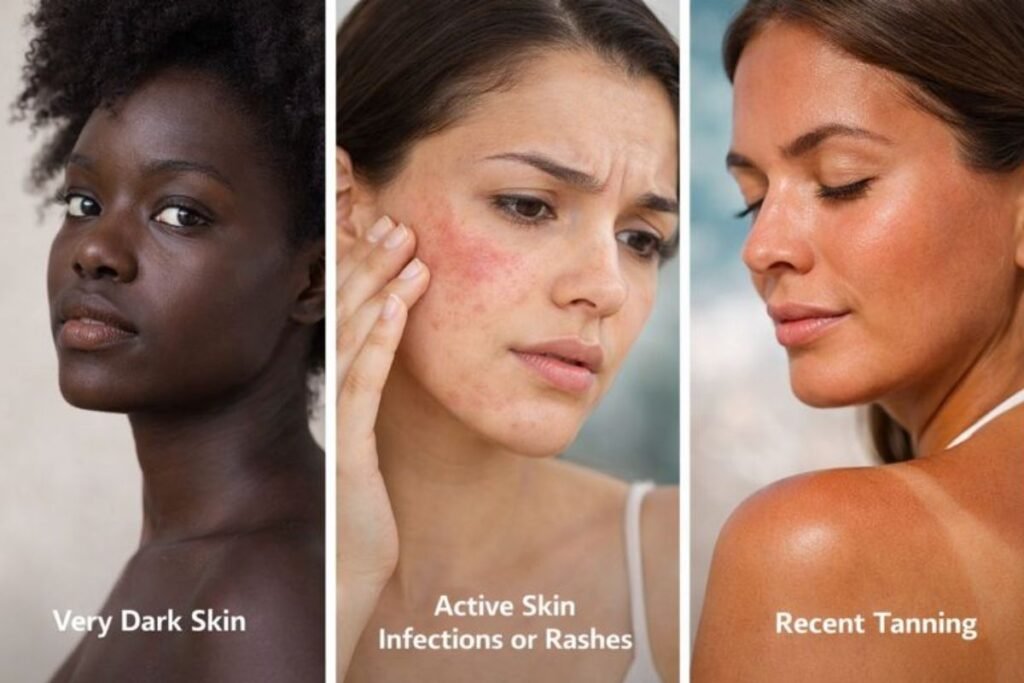
While lasers can be highly effective, they are not suitable for everyone. People with the following conditions should avoid laser treatments:
- Very dark skin (higher risk of hyperpigmentation).
- Active skin infections or rashes.
- Recent tanning or use of tanning beds.
- Pregnant or breastfeeding women should consult a dermatologist before treatment.
How It Works: The Science Behind Laser Treatments:
Laser treatments work by using focused light energy to target and break down the pigment in the skin. This helps fade hyperpigmentation over time. Different types of lasers, such as Fractional CO2 lasers, Q-switched lasers, and Pico lasers, are used depending on the skin concern.
Short-Term Effects:
Immediately after treatment, you may notice some redness, swelling, or mild discomfort, similar to a sunburn. These are typically temporary and subside within a few days.
Long-Term Effects:
Over time, laser treatments can stimulate collagen production, which helps improve skin texture and tone. The pigment is gradually broken down and absorbed by the body, leading to a more even skin tone.
Think of the laser as a “laser-guided missile” that targets only the pigment, leaving the surrounding tissue unharmed. It works like a precision tool to correct specific areas, with minimal downtime.
Right Frequency & Placement:
For most individuals, laser treatments should be spaced 4-6 weeks apart to allow the skin time to heal and process the pigment. Depending on the severity of the pigmentation, it may take 3-5 treatments to see noticeable results.
Routine Placement:
- Pre-Treatment: Focus on preparing your skin with gentle exfoliation and moisturizing.
- Post-Treatment: Follow your dermatologist’s advice on skincare, including SPF 30+ sunscreen, to protect healing skin from UV damage.
Laser Treatments for Skin Pigmentation:
1. Fractional CO2 Laser
- How it works: Fractional CO2 lasers use focused light energy to create microscopic holes in the skin, stimulating the body’s natural healing process. This results in skin regeneration and helps fade pigmentation.
- Best for: Sunspots, age spots, melasma, and overall skin texture improvement.
- Benefits: Helps with collagen production, improving skin texture and tone over time.
- Pros: Effective for deep pigmentation and overall skin rejuvenation.
- Cons: May have a longer recovery time compared to other lasers.
2. Q-Switched Laser
- How it works: The Q-switched laser delivers high-intensity pulses of light in short bursts. These pulses are absorbed by the pigment in the skin, breaking it down for the body to eliminate.
- Best for: Melasma, sunspots, and post-inflammatory hyperpigmentation.
- Benefits: Effective for superficial pigmentation and quicker recovery time.
- Pros: Non-invasive with minimal downtime.
- Cons: May require multiple treatments for stubborn pigmentation.
3. Pico Laser
- How it works: Pico lasers work by emitting ultra-short pulses of light that break down pigment into smaller particles, which are then absorbed by the body.
- Best for: Melasma, age spots, and stubborn pigmentation.
- Benefits: Less heat is generated, reducing the risk of side effects like hyperpigmentation.
- Pros: Fast, with minimal downtime.
- Cons: Requires more sessions for optimal results, especially for deeper pigmentation.
4. Alexandrite Laser
- How it works: The Alexandrite laser uses a wavelength of light that is particularly effective at targeting and breaking down pigment in the skin.
- Best for: Sunspots and age spots, especially for fair to medium skin tones.
- Benefits: Offers precise targeting of pigment, with minimal side effects.
- Pros: Works effectively on lighter skin tones.
- Cons: Not ideal for dark skin tones due to the risk of hyperpigmentation.
5. Intense Pulsed Light (IPL)
- How it works: IPL uses broad-spectrum light to target and break down pigmentation in the skin. The light is absorbed by the melanin in pigmented areas, which helps lighten them.
- Best for: Sunspots, freckles, and general pigmentation issues.
- Benefits: Non-invasive, with little to no downtime.
- Pros: Can treat a variety of skin concerns, including pigmentation and redness.
- Cons: Less effective for deeper pigmentation compared to laser treatments.
6. Erbium Laser
- How it works: The Erbium laser is a type of ablative laser that removes the outer layers of the skin, which can help remove pigmented areas and promote skin regeneration.
- Best for: Fine lines, wrinkles, and surface pigmentation.
- Benefits: Stimulates collagen production and improves skin texture.
- Pros: Suitable for treating fine lines and superficial pigmentation.
- Cons: Can cause redness and swelling post-treatment.
Targeting Top Concerns:
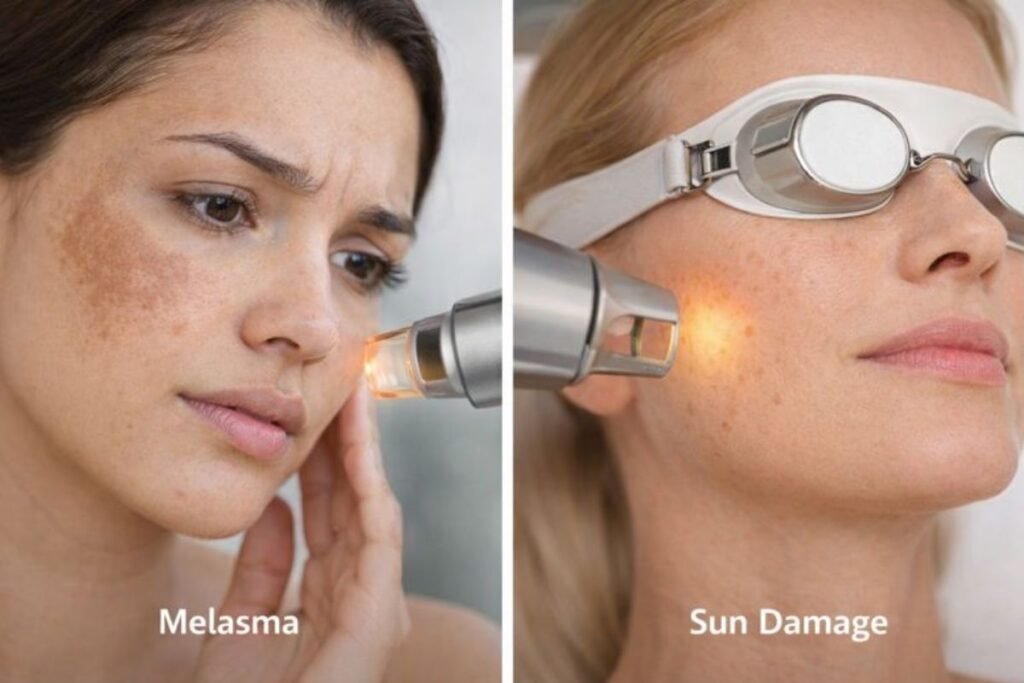
- Melasma:
Lasers like the PicoSure and Q-switched lasers have been shown to effectively treat melasma by targeting the pigment and breaking it down. However, melasma can return if exposed to UV light, so consistent sunscreen use is essential. - Sun Damage:
Laser treatments are particularly effective in treating sunspots, which are caused by prolonged sun exposure. Fractional CO2 lasers work well here, stimulating skin regeneration and fading spots.
Safety Rules & Warning Signs:
Laser treatments are generally safe, but there are some risks you should be aware of:
- Ice Burn: A rare side effect from overexposure to the laser; signs include intense redness or blistering.
- Rosacea Flare: Lasers may aggravate rosacea. If you notice worsening redness or breakouts, consult your dermatologist.
- Broken Capillaries: If you see small red lines or bruising, it could be a sign that the laser was too intense.
- Eczema Irritation: If you have eczema, avoid lasers unless cleared by your dermatologist.
Realistic Results Timeline:
Week 1-2: Expect mild redness and swelling. The treated area might darken before it lightens, which is normal.
Month 1: By this time, you may begin to see the pigment start to fade, with improved skin texture.
Month 3: Full results should be visible, with significant fading of dark spots and a more even skin tone.
Common Mistakes & How to Fix Them:
- Skipping Sunscreen: After a laser treatment, your skin is especially vulnerable to UV damage. Always apply sunscreen daily.
- Fix It: Apply SPF 30+ every morning, and reapply throughout the day, especially if you’re outdoors.
- Over-Treating Skin: Some people think that more treatments will yield better results.
- Fix It: Follow your dermatologist’s recommended schedule. Over-treatment can irritate the skin and cause more pigmentation.
- Not Moisturizing Enough: Skin needs hydration to heal effectively after laser treatments.
- Fix It: Use a gentle, hydrating moisturizer post-treatment to help your skin recover.
- Ignoring Aftercare Instructions: Not following your dermatologist’s aftercare guidelines can delay healing.
- Fix It: Stick to the prescribed skincare routine, and avoid picking or scratching treated areas.
Frequently Asked Questions :
- How soon can I see results after laser treatment for pigmentation?
You may start to see results after 1-2 treatments, with full results typically visible by 2-3 months post-treatment. - Is there any downtime after a laser treatment?
Downtime is minimal but can vary depending on the laser used. Expect some redness and swelling for a few days. - How long do the results last?
Results can last for months to years, depending on skin type and how well you protect your skin from UV exposure. - Can laser treatments completely remove pigmentation?
While laser treatments can significantly lighten pigmentation, they may not completely remove it in all cases, especially if the pigmentation is very deep or persistent.