
When it comes to body care, one of the most common questions is: “Should I wash my body with a washcloth, loofah, or just my hands?” The answer isn’t one-size-fits-all. While each method has its pros and cons, choosing the best way to wash your body depends on your skin type, sensitivities, and hygiene goals. As a dermatologist with over 20 years of experience, I’ve seen first hand how different techniques can impact skin health. Let’s explore the science, benefits, risks, and the best practices for each method so you can make an informed decision about how to cleanse your body.
Who May Benefit & Who Should Avoid:
Ideal Skin Types for Each Washing Method:
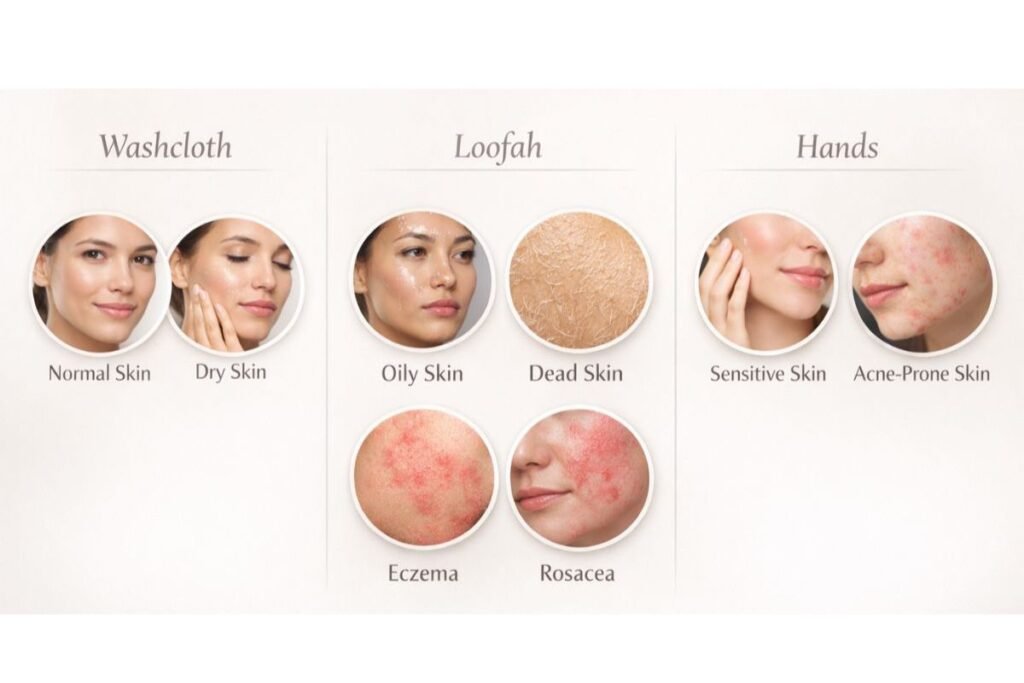
- Washcloth: If you have normal to dry skin and want a deep but gentle cleanse, a soft washcloth can be a good choice. It offers mild exfoliation while being gentle on the skin. It’s also great for those who need to target specific areas like the back.
- Loofah: Loofahs are excellent for people with oily skin or those seeking more exfoliation to remove dead skin cells. However, they can be too abrasive for those with sensitive skin or conditions like eczema or rosacea.
- Hands: If you have sensitive skin, acne-prone skin, or any conditions that make you prone to irritation, using your hands is usually the safest option. It’s the least abrasive and can be a gentler alternative, though it may not provide as deep a cleanse.
Who Should Avoid These Methods:
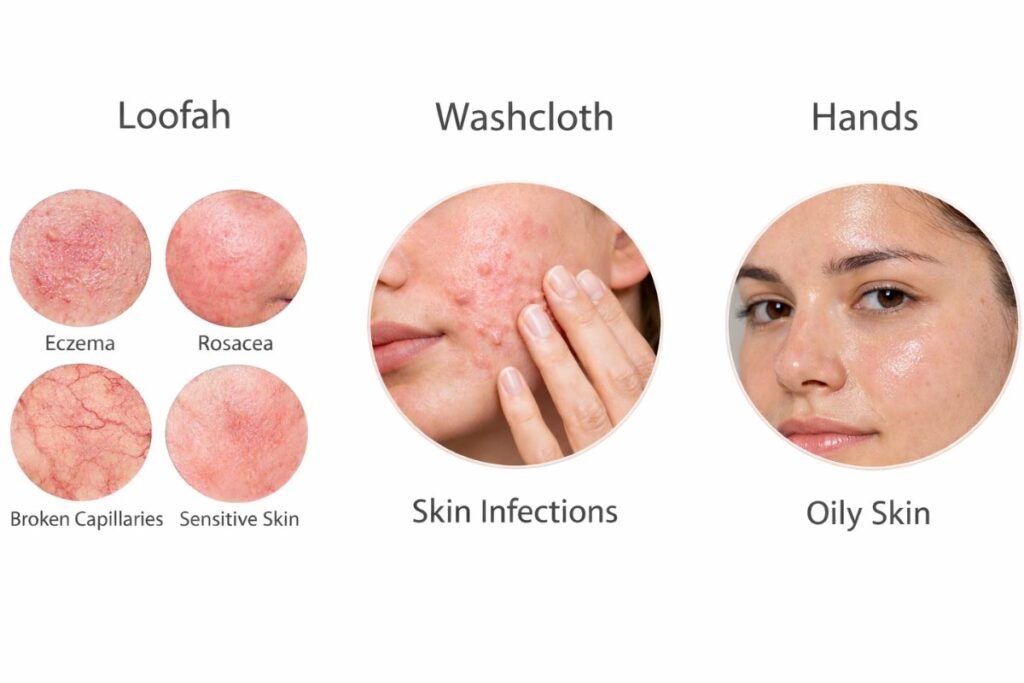
- Loofah: Those with eczema, rosacea, or broken capillaries should avoid using loofahs. The rough texture can aggravate flare-ups and may cause microtears in sensitive skin.
- Washcloth: While generally gentle, washcloths can harbor bacteria if not washed frequently, potentially causing skin infections.
- Hands: While hands are the gentlest, they don’t offer much exfoliation. People with oily skin may find their cleansing regimen less effective without some form of exfoliation.
How It Works (The Science):
Each of these methods functions by removing dirt, oils, and sweat from the skin’s surface, but the mechanics differ:
- Washcloth: The friction from a washcloth helps to manually lift dead skin cells and dirt, offering a mild exfoliation. When used with a cleanser, it provides an effective way to clean without over-exfoliating. The texture of the cloth creates a gentle “scrub,” improving circulation and promoting a brighter complexion.
- Loofah: A loofah is more abrasive, scrubbing away dead skin cells and helping with the removal of oils and dirt. It works by creating more surface area for scrubbing, which increases exfoliation. However, this can sometimes strip the skin of essential oils, especially in those with dry or sensitive skin.
- Hands: Using your hands provides the gentlest cleansing. Hands are free from abrasive texture and prevent excessive friction, which is ideal for sensitive skin. They don’t offer any exfoliation, which can be a downside for those with oily or rough skin.
Temporary vs. Long-Term Effects:
- Washcloth and Loofah: These provide temporary improvements by removing dirt, oils, and some dead skin cells, offering smoother and brighter skin immediately after use. However, over-exfoliating (especially with loofahs) can lead to increased skin sensitivity or dryness in the long term.
- Hands: While hands won’t give you immediate exfoliation, they help maintain the skin’s natural barrier over time, leading to better hydration and less irritation.
Safe Frequency & Routine Placement:
How often should you use each method?
- Washcloth: Use 2-3 times a week or as tolerated. If you have dry skin, less frequent use may be necessary to avoid irritation.
- Loofah: Use 1-2 times a week. Frequent use can strip the skin of its natural oils, potentially leading to dryness or irritation.
- Hands: You can use your hands every day, as they are the least likely to cause irritation. However, make sure to use a hydrating, non-drying body wash to protect the skin’s moisture balance.
Routine Placement:
- Morning vs. Night: Whether you use a washcloth, loofah, or hands, the best time to wash your body is in the evening to remove the day’s dirt and sweat. A gentle morning cleanse with just your hands can help preserve the skin’s natural oils.
Products & Ingredients:
Here are some skincare product recommendations based on each method:
- For Washcloths: Use gentle cleansers like CeraVe Hydrating Cleanser or Cetaphil Daily Facial Cleanser, which are effective but won’t strip the skin.
- For Loofahs: Choose exfoliating cleansers with mild exfoliating acids like Neutrogena Hydro Boost Exfoliating Cleanser or La Roche-Posay Lipikar Cleansing Oil, both of which hydrate while providing light exfoliation.
- For Hands: You can use gentle, moisturizing cleansers like CeraVe Foaming Facial Cleanser or Aveeno Daily Moisturizing Body Wash, which keep the skin soft and hydrated without causing irritation.
Skin Concerns and Which Method to Choose
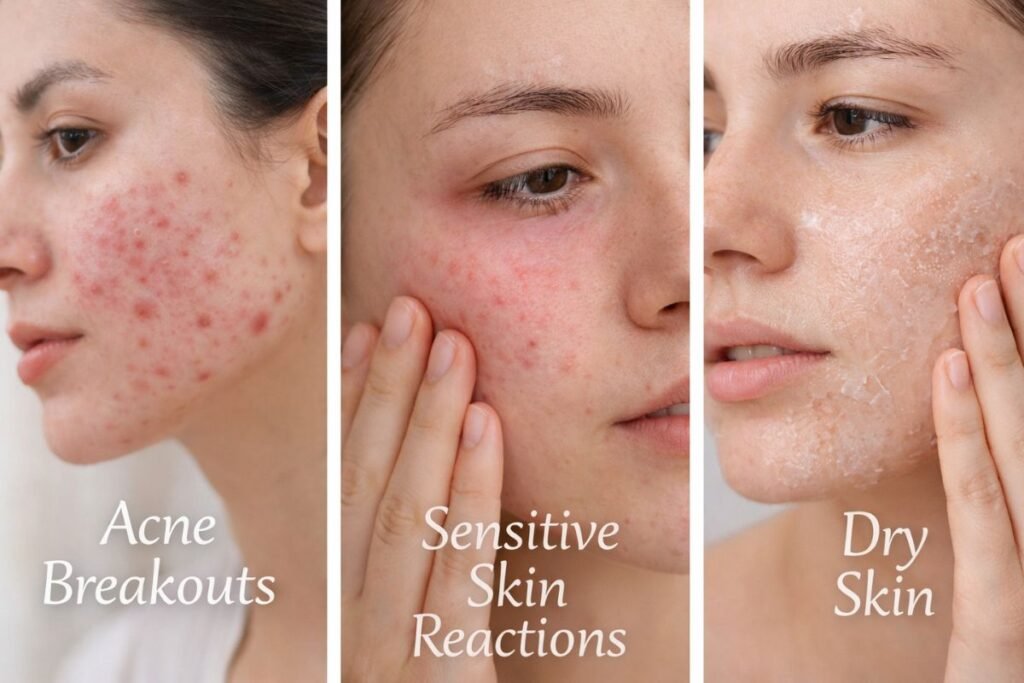
Here are some common concerns related to body cleansing:
- Acne Breakouts: If you have acne-prone skin, using a loofah may seem tempting to help scrub away excess oil. However, excessive exfoliation can lead to skin irritation, which might worsen acne. Instead, try using a washcloth with a gentle salicylic acid-based body wash.
- Sensitive Skin Reactions: For those with sensitive skin, using harsh loofahs or frequent exfoliation can cause irritation, redness, and flare-ups of conditions like eczema. Using your hands with a gentle body wash is your best bet.
- Dry Skin: For dry skin, both loofahs and washcloths can exacerbate flakiness if used too often. Hands, with a hydrating body wash, are the safest choice for preventing further dehydration.
Safety Rules & Warning Signs:
It’s important to know when to stop using a particular method:
- Washcloth: If you notice any redness, irritation, or tightness after use, reduce the frequency or switch to a softer cloth.
- Loofah: If your skin feels raw or you see small abrasions, stop using the loofah. Avoid it if you have conditions like rosacea or eczema.
- Hands: While the gentlest option, you should still pay attention to your skin’s needs. If you notice that your skin feels oily or not as fresh, consider adding a gentle exfoliant once or twice a week.
Realistic Results Timeline:
- Week 1-2: Expect clean, refreshed skin. If you’re using a loofah, you may notice smoother skin, but be cautious of over-exfoliating. If using hands, the skin may feel softer and better hydrated.
- Month 1: You’ll notice improved skin texture and reduced dryness if you’re using the right cleanser for your skin type.
- Month 3: Long-term use of the right method will help maintain healthy skin, keeping it soft and hydrated, or even helping with issues like acne or dryness, depending on your choice of cleansing method.
Common Mistakes & How to Fix Them:
- Over-exfoliating with a loofah: Fix It: Limit loofah use to 1-2 times a week, and focus on using a hydrating body wash.
- Using too harsh of a washcloth: Fix It: Switch to a soft, clean washcloth, and make sure to wash it after every use to avoid bacteria buildup.
- Not cleansing regularly: Fix It: Make body cleansing a part of your daily routine, especially if you have oily or acne-prone skin.
- Ignoring your skin’s reaction: Fix It: Pay attention to how your skin responds. If irritation occurs, switch to a gentler method like using just your hands.
FAQs:
1. Can I use a loofah every day?
No, loofahs are best used 1-2 times a week to avoid over-exfoliating and causing irritation.
2. Is it better to wash with a washcloth or hands?
For sensitive skin, hands are usually the gentlest option. A washcloth provides mild exfoliation, making it ideal for normal to dry skin.
3. Can using a loofah help with body acne?
A loofah may help exfoliate, but it can irritate acne. It’s better to use a soft washcloth with a body wash that targets acne.
4. How can I prevent my skin from getting irritated?
To prevent irritation, use a clean, soft washcloth or your hands. Avoid over-exfoliating, and use products that hydrate your skin.