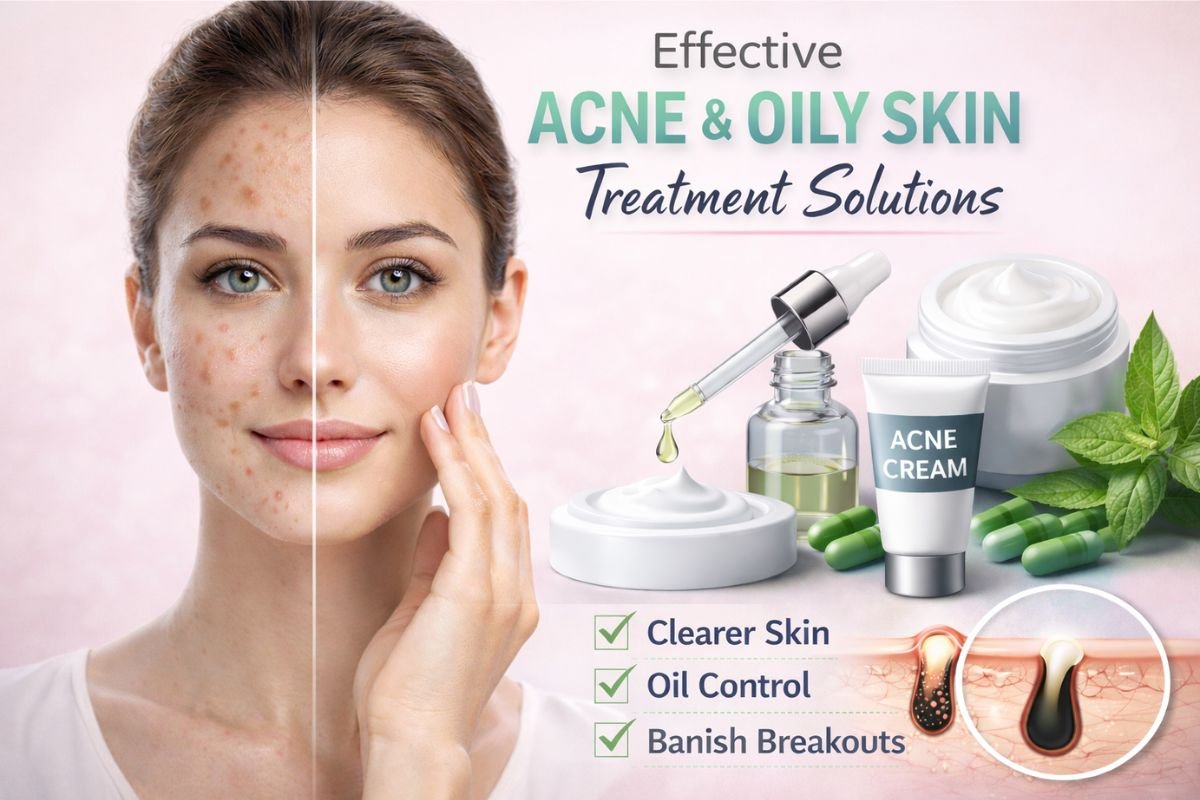
Acne and oily skin can feel like a frustrating, never-ending cycle. However, with the right approach, you can break the cycle and achieve clearer, healthier skin. Whether you’re struggling with clogged pores, pimples, or excessive shine, managing acne and oily skin is entirely achievable. As a board-certified dermatologist with over 20 years of experience, I’ve helped thousands of clients worldwide navigate these common skin concerns. This guide is your step-by-step blueprint for addressing acne and oily skin effectively with clinically proven solutions. From skincare routines to lifestyle changes, let’s dive into the treatments that will help you regain control of your skin.
Understanding Acne and Oily Skin
What is Acne?
Acne is a chronic inflammatory skin condition that occurs when hair follicles become clogged with oil, dead skin cells, and sometimes bacteria. This blockage leads to the formation of pimples, blackheads, cysts, and pustules. Acne typically appears on the face, neck, chest, and back. The condition is most commonly triggered by:
- Hormonal changes: Particularly during puberty, pregnancy, or menstruation, hormonal fluctuations can increase sebum production, leading to acne breakouts.
- Genetics: A family history of acne can make individuals more predisposed to developing it.
- Diet and lifestyle: High-glycemic foods, dairy, and stress can exacerbate acne symptoms.
What is Oily Skin?
Oily skin occurs when the sebaceous glands overproduce sebum (natural skin oils), which can make the skin appear shiny, especially on the forehead, nose, and chin—collectively known as the T-zone. Excess sebum can clog pores and contribute to acne development, making oily skin a significant factor in the condition. Oily skin is often caused by:
- Hormonal imbalance: Changes in hormones can trigger sebaceous glands to produce excess oil.
- Genetics: Those with a family history of oily skin are more likely to experience the condition.
- Over-cleansing: Ironically, using harsh cleansers can strip the skin of oils, causing the sebaceous glands to overcompensate by producing more oil.
Who May Benefit & Who Should Avoid
Who May Benefit:
- Oily Skin Individuals: Those who experience excess shine, clogged pores, and frequent breakouts, especially in the T-zone.
- Acne-Prone Skin: Whether you have inflammatory acne (pimples, pustules) or non-inflammatory acne (blackheads, whiteheads), this guide offers treatments for all types.
- People Looking for Long-Term Solutions: If you’re tired of temporary fixes and want a comprehensive, lasting solution for acne and oily skin, this guide will provide you with sustainable, evidence-based options.
Who Should Avoid:
- Highly Sensitive Skin: Individuals with conditions like eczema, rosacea, or very sensitive skin may find certain treatments too harsh.
- Pregnancy or Breastfeeding: Always consult with a dermatologist before using specific treatments like retinoids or benzoyl peroxide during pregnancy or breastfeeding.
- Severe Acne: If you have cystic acne or acne that doesn’t respond to over-the-counter treatments, it’s best to consult with a dermatologist for more aggressive treatments.
Effective Treatments for Acne and Oily Skin
1. Skincare Routine:
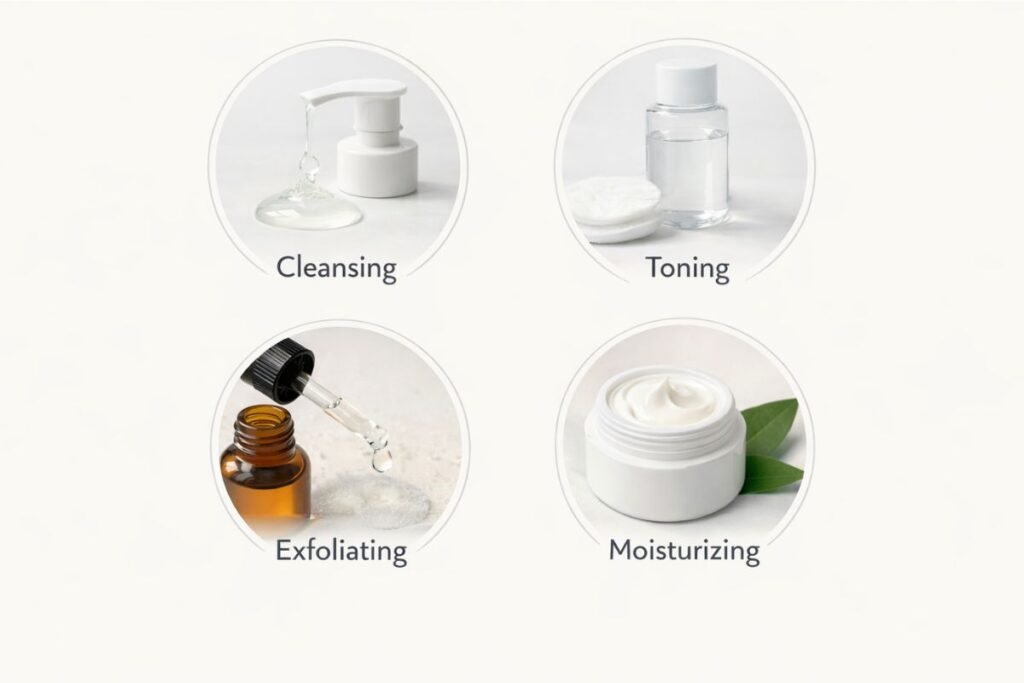
A consistent skincare routine is the foundation for managing acne and oily skin. The steps you follow each day can significantly improve your skin’s health.
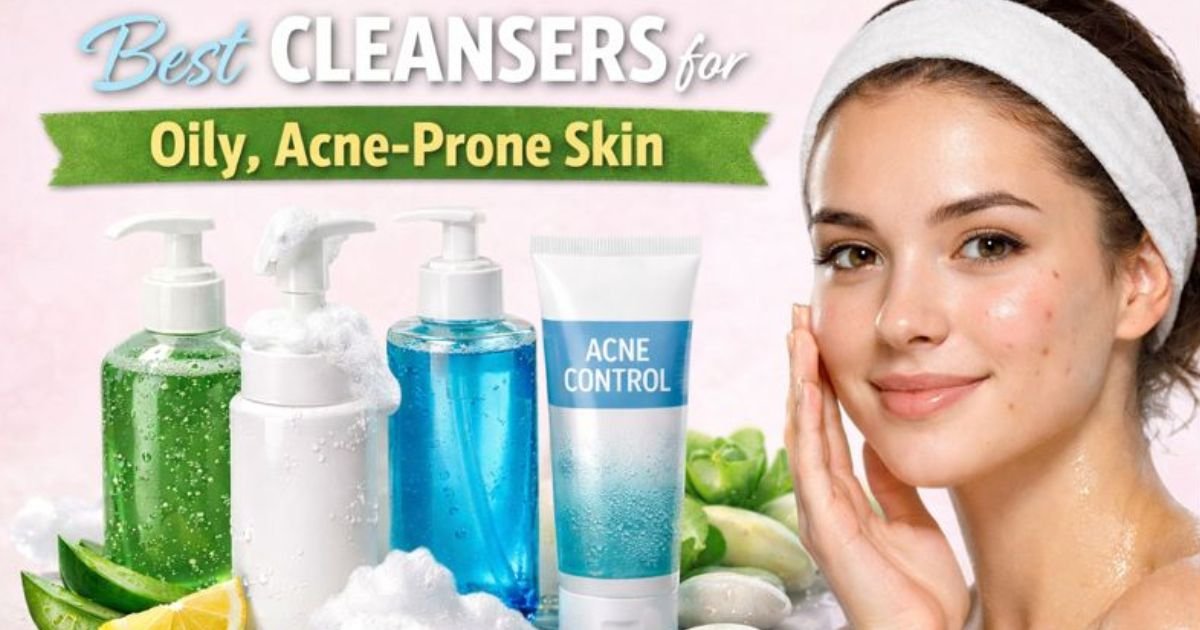
- Cleansing: A gentle, oil-free cleanser is essential to remove excess oil and prevent clogged pores. Choose a gel-based or foaming cleanser formulated for oily or acne-prone skin. Harsh cleansers can strip your skin of natural moisture, leading to increased oil production.
- Toning: Use an alcohol-free toner to restore pH balance and reduce oiliness. Look for toners with witch hazel, tea tree oil, or salicylic acid, which are especially beneficial for oily skin.
- Exfoliating: Exfoliation removes dead skin cells that can clog pores. However, over-exfoliating can irritate your skin and worsen oil production. Opt for chemical exfoliants like salicylic acid or glycolic acid rather than abrasive scrubs.
- Moisturizing: Even oily skin needs hydration. Use an oil-free, non-comedogenic moisturizer to hydrate without clogging pores. Look for ingredients like hyaluronic acid to maintain skin balance.
2. Topical Treatments:
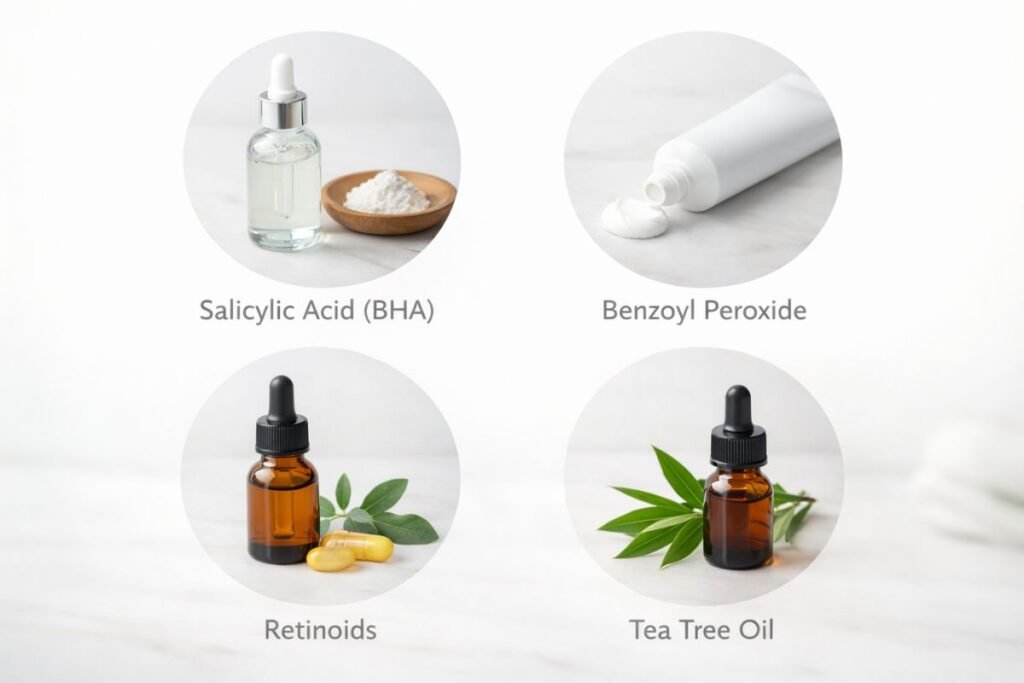
Several over-the-counter (OTC) treatments are highly effective in managing acne and oily skin:
- Salicylic Acid (BHA): A well-known acne treatment that penetrates pores, exfoliates, and removes excess oil, helping prevent breakouts.
- Benzoyl Peroxide: This antibacterial agent reduces acne-causing bacteria, helping prevent new pimples. It can be drying, so use it sparingly.
- Retinoids (Vitamin A derivatives): Retinoids like tretinoin promote cell turnover, unclog pores, and reduce inflammation, making them effective for both acne and the visible effects of aging.
- Tea Tree Oil: Known for its anti-inflammatory and antimicrobial properties, tea tree oil helps reduce pimple size, redness, and prevents future breakouts without irritating the skin.
3. Prescription Treatments:
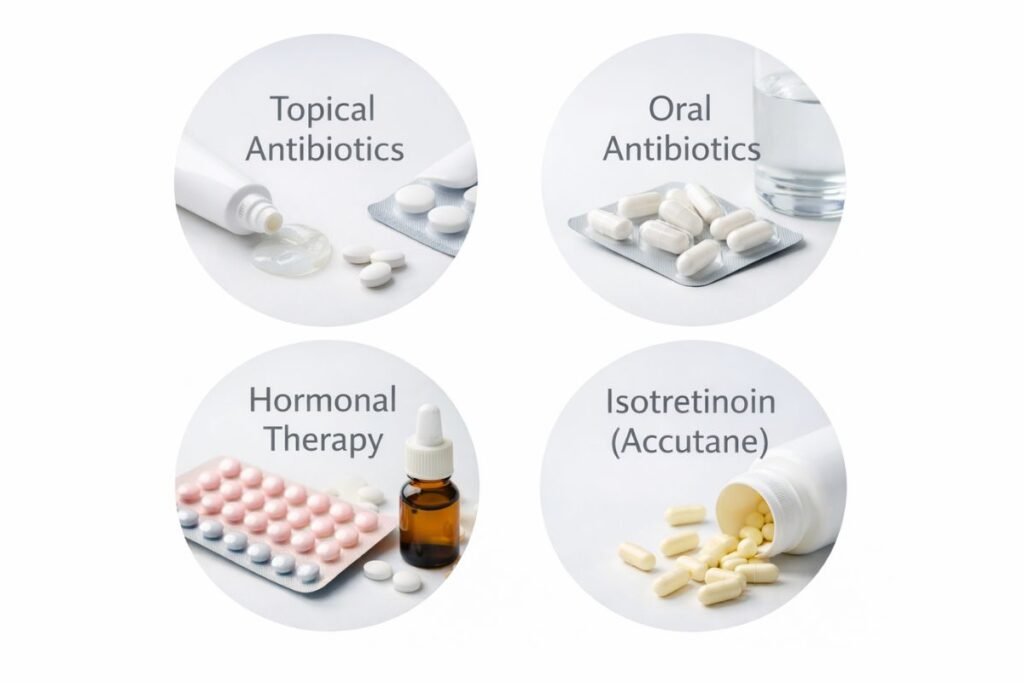
For persistent acne, a dermatologist may prescribe stronger treatments:
- Topical Antibiotics: Clindamycin and other antibiotics kill acne-causing bacteria and reduce inflammation, often used alongside benzoyl peroxide.
- Oral Antibiotics: Oral antibiotics like doxycycline or tetracycline can treat moderate to severe acne by reducing bacterial growth and inflammation.
- Hormonal Therapy: Hormonal imbalances can contribute to acne. Birth control pills or hormone therapy can regulate hormonal fluctuations, reducing sebum production and preventing breakouts.
- Isotretinoin (Accutane): A powerful oral medication used for severe, cystic acne that doesn’t respond to other treatments. It works by reducing oil production and preventing clogged pores.
4. Lifestyle Modifications:

Small changes in diet and habits can have a big impact on your skin:
- Dietary Adjustments: Limit high-glycemic foods (like sugary snacks) and dairy, which may worsen acne. Increase consumption of antioxidant-rich foods and omega-3s like berries, nuts, and fatty fish.
- Hydration: Drink at least 8 glasses of water daily to maintain skin hydration and balance oil production.
- Stress Management: Stress can trigger hormonal changes, leading to increased oil production. Engage in activities like yoga, meditation, and regular exercise to help manage stress.
- Sleep: Aim for 7-9 hours of quality sleep each night to support skin regeneration and overall health.
5. Professional Treatments:
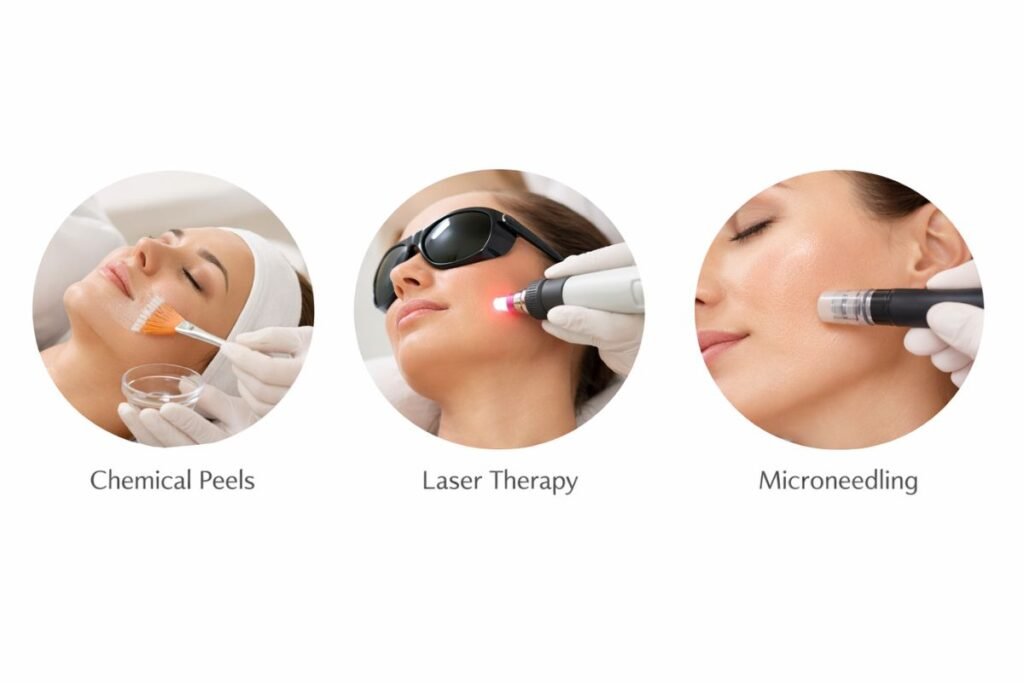
For faster results, professional treatments can be very effective:
- Chemical Peels: These exfoliate the outer layers of the skin, removing clogged pores and improving the appearance of acne scars.
- Laser Therapy: Lasers like fractional CO2 and IPL reduce oil production, treat acne scars, and improve skin texture.
- Microneedling: Tiny needles puncture the skin, stimulating collagen production and helping reduce acne scars and oil production.
Safety Rules & Warning Signs
When to Stop:
- If irritation, redness, or peeling occurs, stop using the treatment and consult your dermatologist.
- Warning Signs: Overuse of benzoyl peroxide, salicylic acid, or retinoids can cause dryness, irritation, and increased sensitivity. Always moisturize and use sunscreen.
Long-Term Risks:
- Retinoids increase sun sensitivity, so apply sunscreen daily to avoid sun damage.
Realistic Results Timeline
- Week 1–2: You’ll see reduced oil production and fewer minor breakouts. Some may experience purging as acne comes to the surface.
- Month 1: Significant improvement in acne and oiliness. Skin texture should start to smooth out.
- Month 3: Acne breakouts will be reduced, with clearer skin, fewer clogged pores, and a more balanced complexion.
Common Mistakes & How to Fix Them
- Over-exfoliating: This can irritate and dry out the skin, leading to more oil production.
Fix it: Limit exfoliation to 1–2 times per week. - Skipping Moisturizer: Even oily skin needs hydration.
Fix it: Use a lightweight, oil-free moisturizer daily. - Not Using Sunscreen: Acne treatments like retinoids can make the skin sensitive to the sun.
Fix it: Apply sunscreen every day to prevent damage. - Layering Too Many Active Ingredients: Using too many strong products can irritate the skin.
Fix it: Start with one treatment at a time, and gradually introduce new products.
FAQs
Q1: How do I know if a product is right for my oily skin?
Look for products labeled “oil-free” or “non-comedogenic” to prevent clogged pores.
Q2: Can I use benzoyl peroxide with other acne treatments?
Yes, but be cautious. Benzoyl peroxide is drying, so pair it with a gentle moisturizer.
Q3: Will my acne come back after stopping treatment?
If you stop your regimen, acne may return. Maintain a basic skincare routine even after acne improves.
Q4: Is acne treatment safe for sensitive skin?
Yes, but use gentle products formulated for sensitive skin, avoiding harsh ingredients like alcohol.