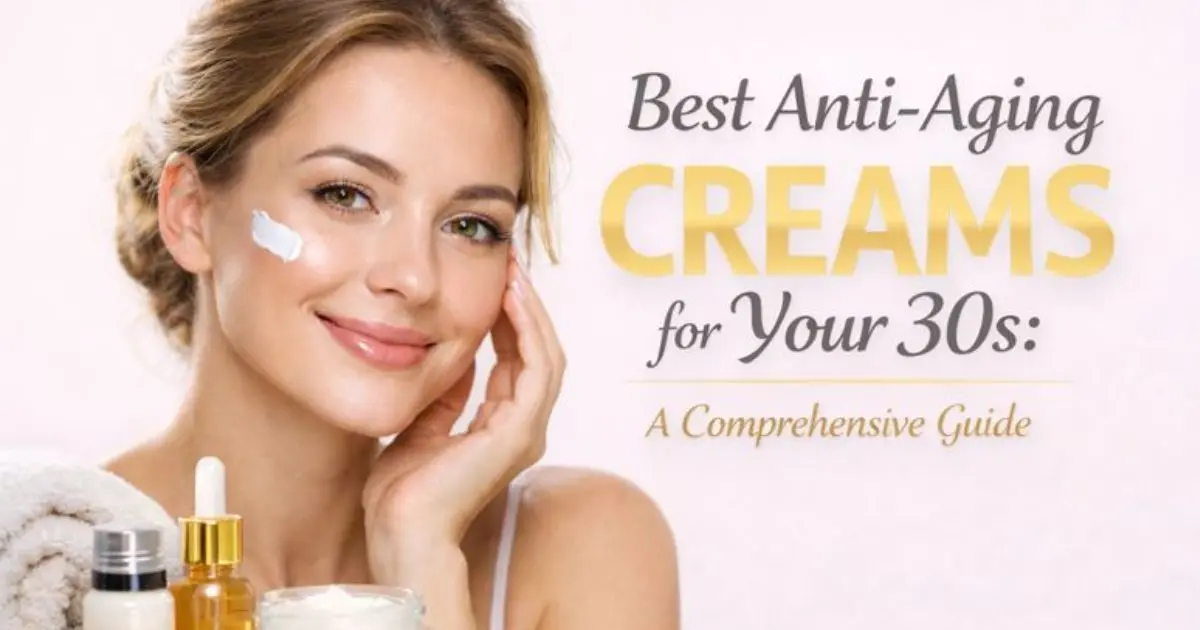
As you enter your 30s, your skin starts to show subtle changes. Fine lines may begin to appear, skin texture might feel less smooth, and there may be an overall loss of firmness. While the aging process is natural, the right anti-aging creams can help combat these early signs and protect your skin for the future. This guide will walk you through the best anti-aging creams for your 30s, based on clinical science and expert recommendations, ensuring your skin stays youthful, hydrated, and radiant.
Who May Benefit & Who Should Avoid:
Ideal for:
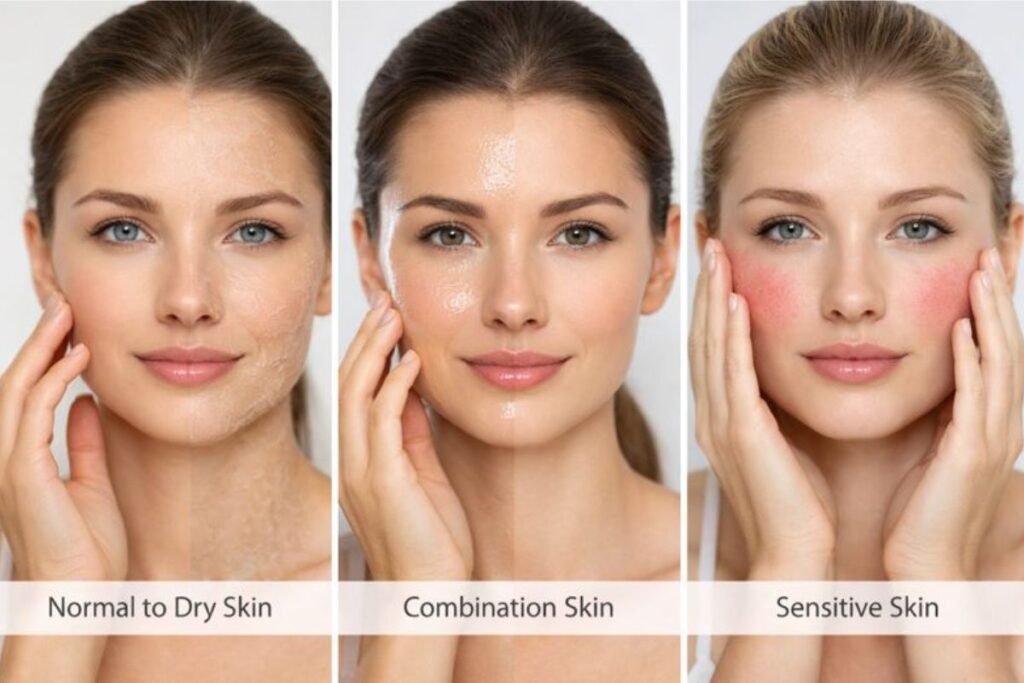
- Normal to Dry Skin: Anti-aging creams are particularly beneficial for those with skin that’s starting to lose moisture and firmness.
- Combination Skin: You may benefit from creams that address both early wrinkles and dehydration without being too heavy or greasy.
- Sensitive Skin: Look for anti-aging products designed for sensitive skin if you’re prone to irritation but want to target wrinkles and texture issues.
Avoid if:
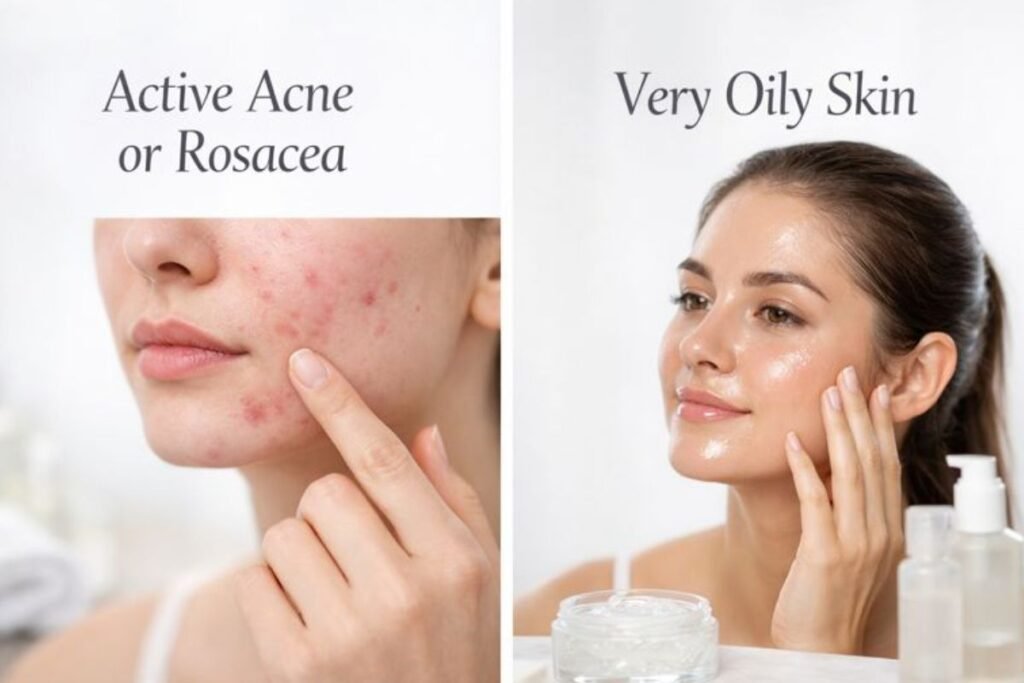
- Active Acne or Rosacea: Strong anti-aging products containing retinoids or acids may worsen conditions like acne or rosacea.
- Very Oily Skin: While anti-aging creams can work for all skin types, those with very oily skin should opt for oil-free formulations or gels.
How It Works: The Science of Anti-Aging:
Anti-aging creams work in various ways depending on their ingredients. Some focus on increasing collagen production, while others hydrate or promote cell turnover.
- Short-Term Effects: Most anti-aging creams provide immediate hydration, smoothing out fine lines and creating a more youthful appearance. They can also reduce puffiness and provide a temporary tightening effect.
- Long-Term Effects: Over time, ingredients like retinoids, peptides, and antioxidants can stimulate collagen production, reduce wrinkles, and even out skin tone. The results aren’t instant—expect gradual improvements after consistent use.
Think of it like tending to a garden: The first few days may only show the watering effects (hydration), but with regular care, you’ll see real growth (firmness, elasticity, smoother skin).
Best Time & Routine for Use:
Frequency: For most anti-aging creams, start by applying 2–3 times per week. If your skin tolerates it, increase use to once daily. This can depend on how sensitive your skin is to certain active ingredients like retinol.
Routine Placement: Incorporate these creams into your nightly routine after cleansing and toning. Follow up with a moisturizer to lock in the anti-aging benefits. Morning use is also acceptable, but don’t skip your sunscreen as some anti-aging ingredients (like retinol) can make your skin more sensitive to the sun.
Products & Ingredients to Consider:
1. Olay Regenerist Micro-Sculpting Cream
Why it’s great: This powerhouse moisturizer combines peptides, niacinamide, and hyaluronic acid to firm and hydrate the skin, providing an instant glow and long-term anti-aging benefits.
Best for: Normal to dry skin that needs a moisture boost with anti-aging effects.
Why it works: Peptides promote skin elasticity, niacinamide brightens and evens out tone, and hyaluronic acid deeply moisturizes the skin.
2. RoC Retinol Correxion Deep Wrinkle Night Cream
Why it’s great: A night cream formulated with pure retinol, making it perfect for reducing fine lines, wrinkles, and improving skin texture as you sleep.
Best for: Those with fine lines or deep wrinkles looking for a retinol-based treatment.
Why it works: Retinol works overnight to stimulate collagen production, reducing the appearance of wrinkles and giving skin a more youthful look.
3. Dr. Dennis Gross Skincare Advanced Retinol + Ferulic Intense Wrinkle Cream
Why it’s great: Combines powerful retinol with antioxidants like ferulic acid to help reduce wrinkles and protect the skin from oxidative damage.
Best for: Anyone looking for a high-end retinol cream with added protection against free radicals.
Why it works: The retinol increases cell turnover, while ferulic acid neutralizes free radicals, providing both anti-aging and anti-pollution benefits.
4. SkinMedica Age Defense Retinol Complex
Why it’s great: A dermatologist-recommended formula for sensitive skin that targets the signs of aging without causing irritation.
Best for: Those with sensitive skin who want to use retinol without the irritation.
Why it works: It features a blend of retinol and antioxidants to improve skin texture and smooth wrinkles, with a more gradual approach to minimize sensitivity.
5. La Roche-Posay Redermic R Retinol Cream
- Why it’s great: La Roche-Posay’s formula is gentle on sensitive skin while providing the anti-aging effects of retinol.
- Best for: Sensitive or dry skin.
- Why it works: This cream also contains soothing ingredients like thermal spring water, which reduces potential irritation from retinol.
6. Cetaphil Rich Hydrating Night Cream
- Why it’s great: An excellent choice for those with sensitive skin who need moisture while still tackling early signs of aging.
- Best for: Sensitive or dry skin.
- Why it works: Hyaluronic acid helps the skin retain moisture, while nourishing the skin barrier.
Targeting Top Concerns:
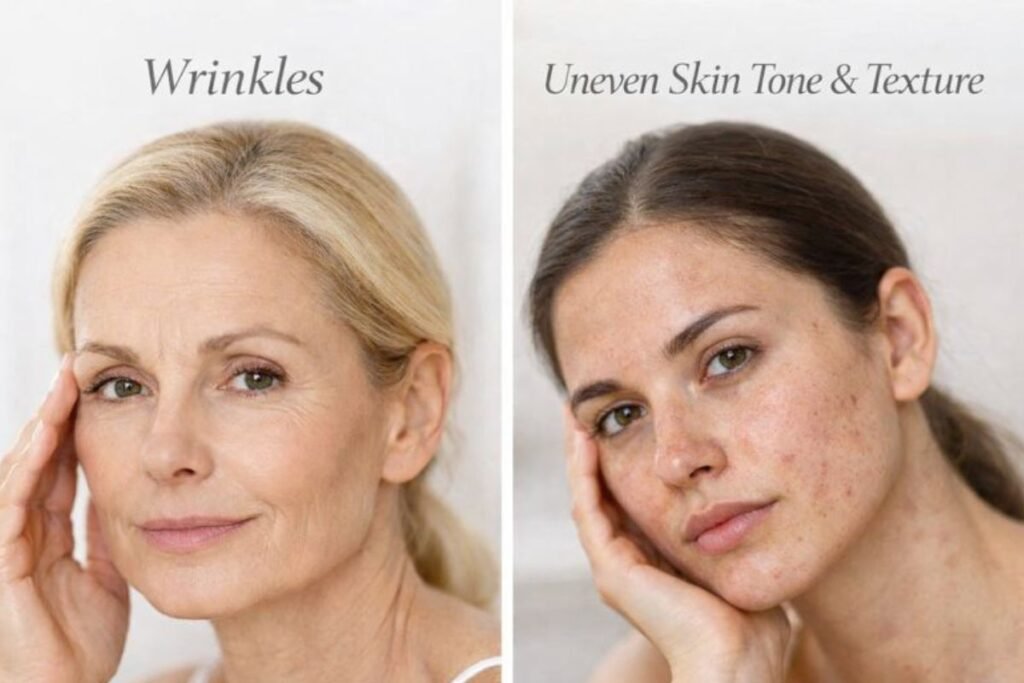
- Wrinkles: Anti-aging creams with retinol (like Neutrogena and La Roche-Posay) are effective at promoting skin renewal and smoothing fine lines. Retinol increases collagen production and helps reduce the appearance of wrinkles over time.
- Uneven Skin Tone/Texture: Products like The Ordinary Buffet contain peptides, which improve skin texture and elasticity. They help your skin look firmer and more even-toned by promoting collagen synthesis.
Safety Rules & Warning Signs:
While anti-aging creams are generally safe for most people, some ingredients can cause irritation, particularly if you’re new to them. Here are key safety points:
- Retinol: May cause redness, peeling, or irritation—start slowly and gradually increase use. If irritation occurs, reduce the frequency or switch to a gentler product.
- Peptides: Generally well-tolerated but can sometimes cause minor irritation. Discontinue use if you experience any signs of allergic reaction.
- AHAs (Alpha Hydroxy Acids): These are often used for exfoliation and may make your skin more sensitive to the sun. Always use them at night and apply broad-spectrum sunscreen in the morning.
When to Stop: If you experience severe redness, peeling, burning, or irritation that doesn’t subside after reducing usage, discontinue the product and consult with a dermatologist.
Realistic Results Timeline:
Week 1-2: Most products will provide immediate hydration and smoothness. You may notice minor plumping and a slight improvement in texture.
Month 1: The effects of ingredients like peptides and hyaluronic acid will start showing with more noticeable hydration and smoother skin. You may see the beginning of a reduction in fine lines.
Month 3: The long-term effects of retinol and other active ingredients will start to become visible. You should notice more significant reductions in wrinkles, improved skin firmness, and a more even tone.
Common Mistakes & How to Fix Them:
- Mistake: Using too many active ingredients at once.
- Fix It: Start with one active ingredient, such as retinol, and gradually introduce others like AHAs or peptides.
- Mistake: Not wearing sunscreen.
- Fix It: Always apply sunscreen daily, especially when using retinol, which can increase sun sensitivity.
- Mistake: Over-exfoliating the skin.
- Fix It: Limit exfoliation to 2-3 times a week to avoid stripping the skin’s natural barrier.
- Mistake: Using anti-aging creams on dry skin.
- Fix It: Make sure to apply a moisturizer after anti-aging cream to lock in hydration.
FAQs:
Q1: Can I use anti-aging creams every day in my 30s?
- Yes, but start slowly. For most people, anti-aging creams can be used nightly or every other night, depending on skin sensitivity.
Q2: At what age should I start using anti-aging creams?
- In your 30s is the perfect time to start as the skin’s collagen production naturally begins to slow down.
Q3: How long will it take to see results from anti-aging creams?
- Results can take 4–6 weeks to become noticeable, with significant improvements in texture and fine lines after 3 months.
Q4: Can anti-aging creams help with dark spots or pigmentation?
- Yes, many anti-aging creams containing ingredients like retinol and Vitamin C can help fade hyperpigmentation over time.