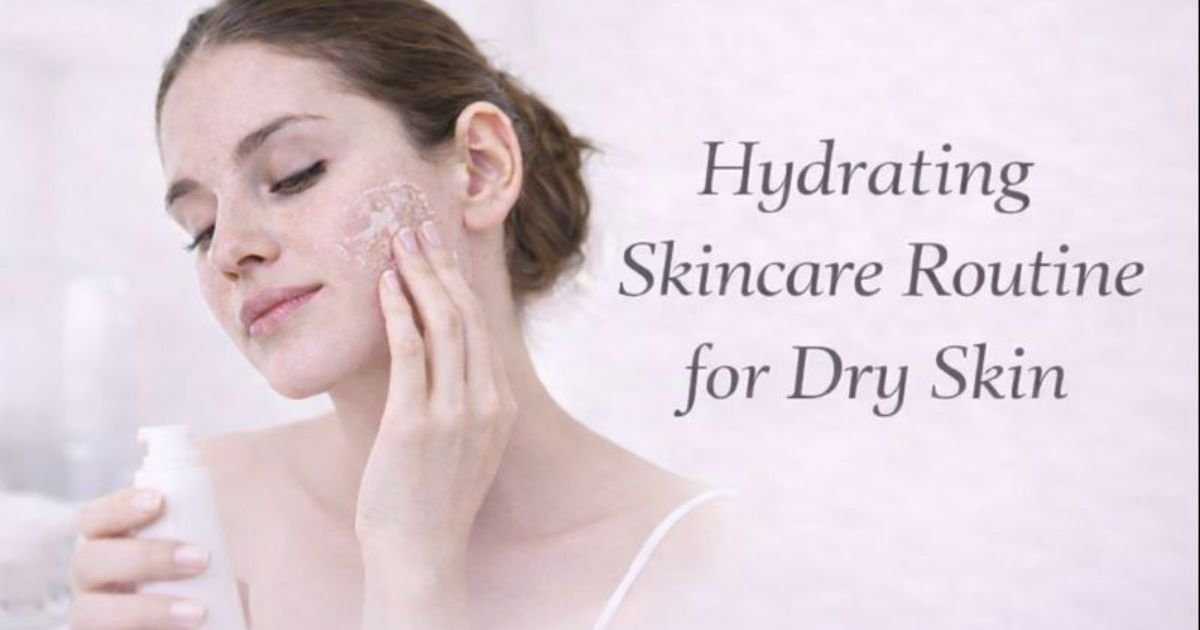
Dry skin can be incredibly frustrating, especially when moisturizers seem to evaporate quickly or leave your skin feeling tight and uncomfortable. A well-structured hydrating skincare routine for dry skin is key to addressing this issue. By choosing the right products and incorporating effective steps, you can restore moisture, boost your skin’s barrier function, and maintain hydration throughout the day. The right routine can turn dry, flaky skin into smooth, plump skin that feels comfortable and looks radiant. This guide will walk you through everything you need to know about creating a hydrating skincare routine for dry skin, offering expert product recommendations, helpful application tips, and realistic timelines to see noticeable improvement. With the right knowledge and consistency, you can effectively hydrate your skin and maintain its moisture balance for healthier, glowing skin.
Who May Benefit & Who Should Avoid:
Ideal Skin Types for a Hydrating Routine:
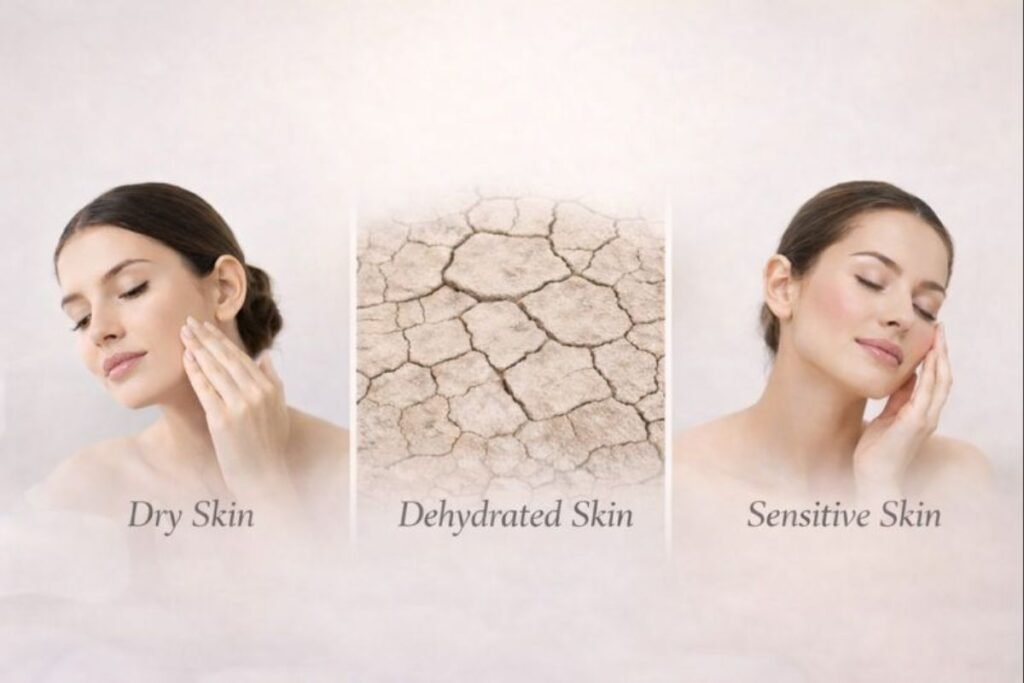
- Dry Skin: If your skin often feels tight, rough, or looks flaky, a hydrating routine is essential to restore moisture balance.
- Dehydrated Skin: If your skin looks dull or feels thirsty, it needs extra hydration, even if it’s not naturally dry.
- Sensitive Skin: Those with sensitive skin can benefit from hydrating products that soothe and help restore the skin’s protective barrier.
Who Should Avoid:
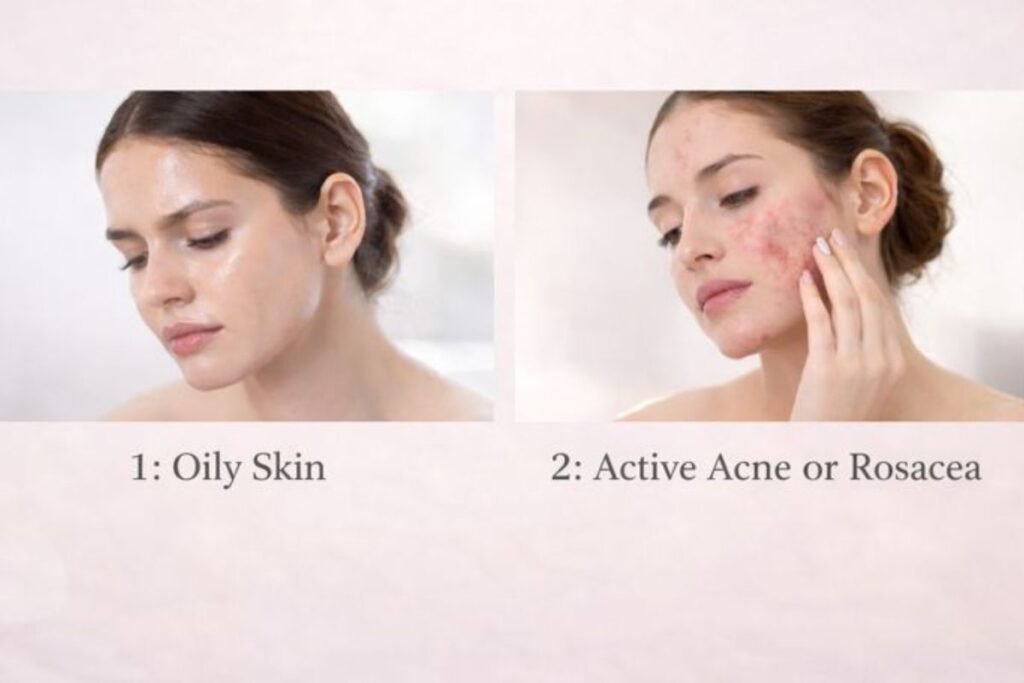
- Oily Skin: While oily skin still needs hydration, heavy moisturizers and overly emollient products may exacerbate oiliness and cause breakouts.
- Active Acne or Rosacea: Products with strong occlusive ingredients (like certain oils) may aggravate these conditions. It’s best to consult with a dermatologist first.
How It Works: The Science of Hydration:
Hydration refers to the amount of water in your skin, whereas moisture refers to oils and lipids. Dry skin lacks both water and oils, which leads to a compromised skin barrier. Proper hydration helps to restore your skin’s moisture balance, but it’s important to understand the difference between temporary vs. long-term hydration effects:
- Temporary Effects: Hydrating products like hyaluronic acid and glycerin draw water to the skin’s surface, giving it a plump, dewy appearance immediately after use.
- Long-Term Benefits: Hydrating products that reinforce the skin barrier, such as ceramides or fatty acids, help retain moisture in the long run, preventing further dehydration and improving skin texture over time.
Imagine your skin as a sponge. When it’s dry, it’s like a sponge that’s been sitting out too long—hard, brittle, and unable to hold water. A good hydrating routine helps “moisten” the sponge, so it can retain more water and stay soft and pliable.
Best Time & Frequency for Your Routine:
The frequency of hydration steps depends on your skin’s needs, but here’s a general guideline:
- Cleansing: 2x daily (morning and night) to remove dirt, oils, and makeup.
- Hydrating Serum or Toner: 1-2x daily (morning and night) for intensive hydration.
- Moisturizing: 1-2x daily (morning and night) to lock in hydration.
- Exfoliation: 1-2x per week (to prevent dead skin from blocking moisture absorption).
Products & Ingredients for Dry Skin:
1. Cleansers:
- CeraVe Hydrating Cleanser: Contains ceramides and hyaluronic acid, which help clean the skin while replenishing moisture. It’s non-foaming, so it won’t strip the skin of its natural oils.
- Neutrogena Hydrating Cleanser: This product is known for its gentle formula, which cleans without drying, making it ideal for dry skin.
2. Serums/Toners:
- The Ordinary Hyaluronic Acid 2% + B5: This serum provides immediate hydration by drawing moisture into the skin. It’s great for giving your skin a plump, healthy look.
- La Roche-Posay Thermal Spring Water: Perfect as a hydrating toner, it soothes and replenishes moisture while balancing your skin.
3. Moisturizers:
- Cetaphil Daily Hydrating Lotion: A lightweight moisturizer that replenishes moisture without feeling greasy.
- CeraVe Moisturizing Cream: Contains both ceramides and hyaluronic acid, which work together to restore the skin’s moisture barrier and prevent water loss.
4. Masks/Intensive Hydration:
- Neutrogena Hydro Boost Water Gel Mask: This hydrating mask provides a more intense burst of hydration for dry skin and leaves a cooling effect.
- The Ordinary Natural Moisturizing Factors + HA: Provides lasting hydration and supports the skin barrier with natural moisturizing factors (NMF).
Targeting Top Concerns:
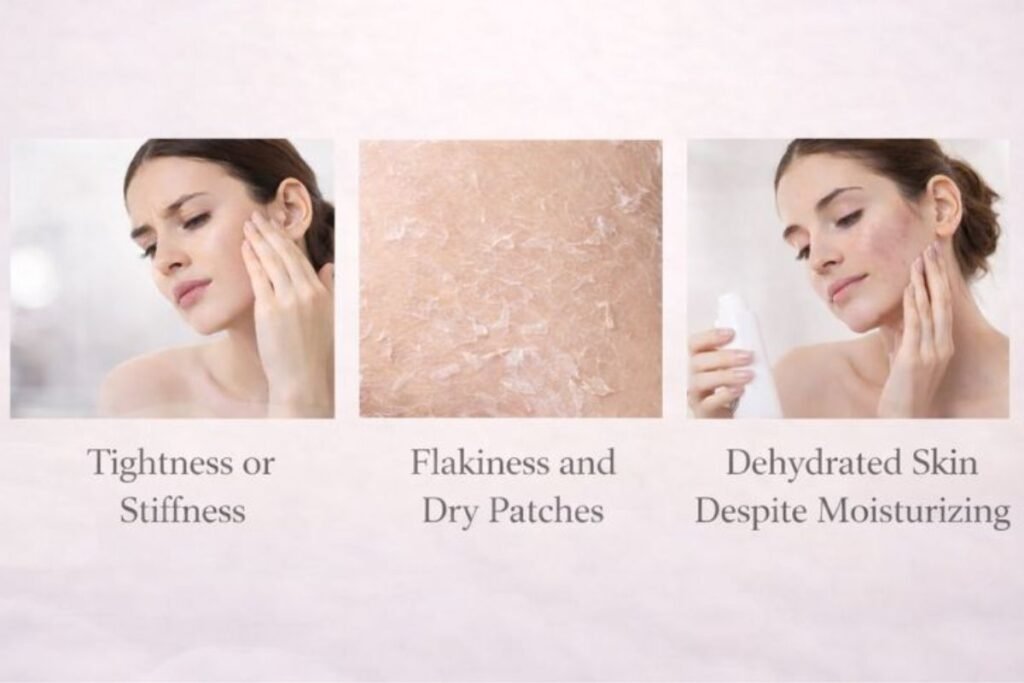
1. Tightness or Stiffness:
- Why it happens: This is usually due to the skin barrier being compromised, allowing water to evaporate too quickly.
- What works: A gentle, hydrating cleanser (like CeraVe or Neutrogena) combined with a good moisturizer (like Cetaphil or La Roche-Posay) will help restore and maintain moisture.
2. Flakiness and Dry Patches:
- Why it happens: Dry skin can result in flakes and visible patches that feel rough or uneven.
- What works: A hydrating serum or toner, followed by a rich moisturizer (such as CeraVe Moisturizing Cream), will hydrate and smooth over flaky areas.
3. Dehydrated Skin Despite Moisturizing:
- Why it happens: Dehydration is a lack of water in the skin, which can occur even if your skin feels oily.
- What works: Look for products containing hyaluronic acid, which helps the skin hold onto water. You may also want to try a moisturizing mask once or twice a week.
Safety Rules & Warning Signs:
While a hydrating skincare routine is generally safe, be mindful of the following:
- When to Stop: If you experience irritation, redness, or a burning sensation, stop using the product immediately. It may be too harsh or not suitable for your skin.
- Rosacea and Sensitive Skin: Avoid using too many occlusive ingredients (like heavy oils) if you have sensitive skin or rosacea, as these can cause flare-ups.
- Skin Allergy: Always patch-test new products before applying them to your face. Discontinue use if you notice swelling, hives, or intense irritation.
Realistic Results Timeline:
- Week 1-2: Immediate hydration boost, skin feels smoother and more comfortable.
- Month 1: Noticeable reduction in dryness, fine lines may start to look softer, skin looks more plump and dewy.
- Month 3: Long-term improvement in skin texture and elasticity. Hydration retention should improve with consistent use.
Common Mistakes & How to Fix Them:
1. Skipping Sunscreen
- Fix It: Always use a broad-spectrum sunscreen (SPF 30 or higher) daily, even on cloudy days, to protect your skin barrier.
2. Using Harsh Exfoliants Too Often
- Fix It: If your skin is dry, limit exfoliation to once a week, or use a gentler exfoliant to avoid stripping the skin.
3. Not Layering Products Properly
- Fix It: Always apply products from thinnest to thickest (serums before creams, for example) for maximum absorption.
4. Over-Moisturizing
- Fix It: While it’s important to hydrate, applying too many layers of heavy moisturizer can clog pores. Stick to one or two layers.
5. Neglecting Humidity
- Fix It: Use a humidifier in dry climates or winter months to add moisture to the air, which helps your skin retain hydration.
FAQs:
1. Can I hydrate my skin without using a moisturizer?
- While hydration is important, moisturizer helps to lock in water. Hydrating serums and toners are great, but without a moisturizer, the water evaporates quickly.
2. How often should I hydrate dry skin?
- Hydrate 2-3 times a day, especially after cleansing. Adjust based on how your skin feels—if it’s still tight, apply more hydration.
3. Can drinking water help with dry skin?
- While drinking water helps keep your body hydrated, it’s not a substitute for a hydrating skincare routine. Topical hydration directly targets the skin.
4. Are oils good for dry skin?
- Oils can be beneficial for dry skin, but it’s important to choose non-comedogenic oils that don’t clog pores. If you have sensitive skin, consult a dermatologist before using oils.