
How to Get Rid of Hyperpigmentation Naturally — Hyperpigmentation — those stubborn dark spots and uneven patches — often leaves many people searching for a gentle, natural solution. While there’s no overnight cure, certain natural ingredients have compounds that may help lighten pigmentation gradually and safely by reducing melanin production and supporting skin repair. In this guide, you’ll learn how natural remedies can complement your routine, how to use them properly, what realistic results to expect, and how to protect your skin while fading hyperpigmentation the natural way.
Who May Benefit & Who Should Avoid Natural Treatments:
Who May Benefit:
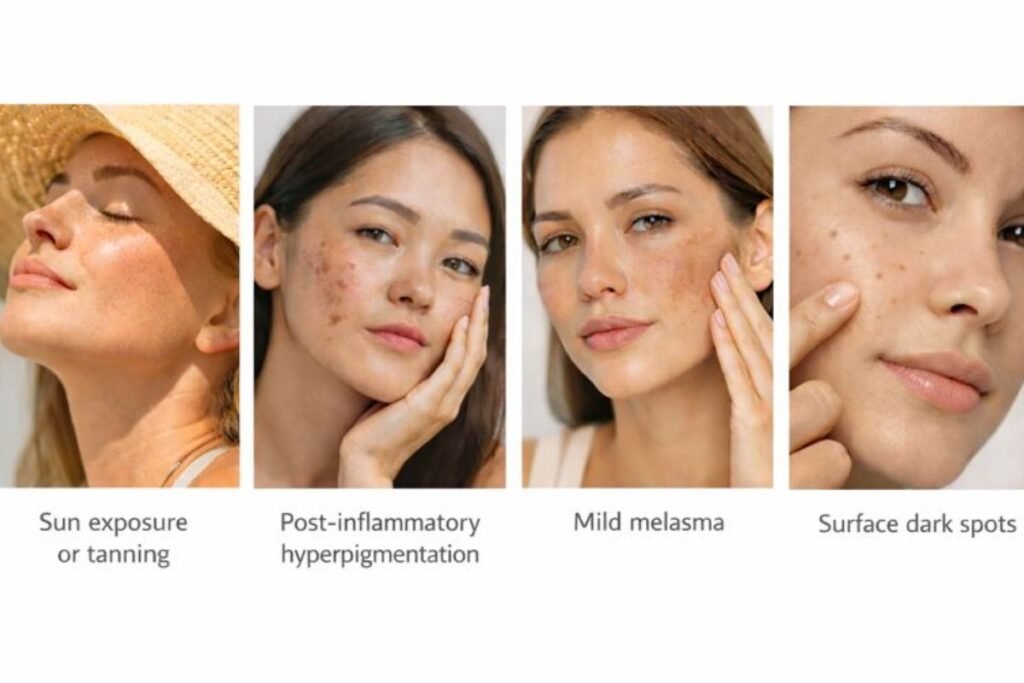
Natural remedies may be useful if your hyperpigmentation is caused by:
- Sun exposure or tanning
- Post‑inflammatory hyperpigmentation (e.g., acne scars)
- Mild melasma
- Surface dark spots with no medical condition behind them
These remedies are often gentler and better suited for sensitive skin looking to avoid harsh chemicals.
Who Should Be Cautious or Avoid:
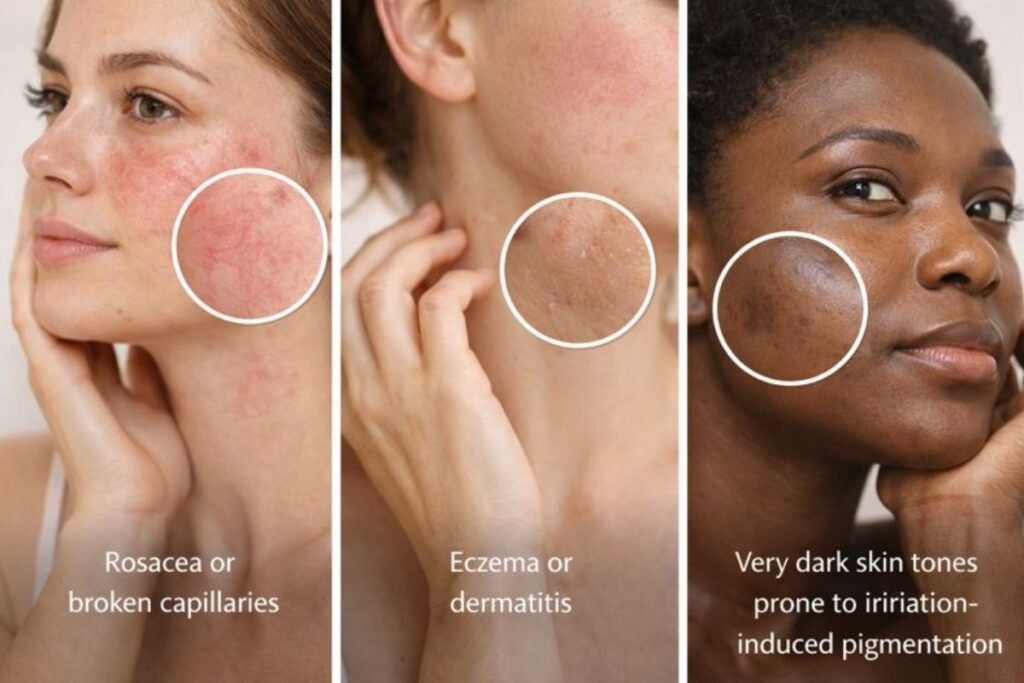
Natural doesn’t always mean gentle for everyone. Avoid or patch‑test first if you have:
- Rosacea or broken capillaries (some DIY ingredients may worsen flare‑ups)
- Eczema or dermatitis (certain plant extracts can irritate)
- Very dark skin tones prone to irritation‑induced pigmentation
- Known allergies to botanical ingredients
Always perform a patch test before applying anything new to your face.
How Natural Ingredients Work (The Science):
Why Hyperpigmentation Happens:
When your skin produces extra melanin in patches — due to sun exposure, inflammation, or hormonal shifts — dark spots form. Natural remedies aim to address this by:
- Inhibiting melanin production — slowing the enzyme tyrosinase that drives pigment creation.
- Reducing inflammation — inflammation can worsen pigmentation and prolong fading.
- Supporting gentle exfoliation and cell turnover — helping pigmented cells shed over time.
Short‑Term vs. Long‑Term Effects:
- Short‑Term Effects: Natural ingredients may offer temporary brightening by hydrating skin, reducing inflammation, and evening tone.
- Long‑Term Effects: Consistent use can gradually reduce pigmentation as melanin production slows and skin renews. Expect subtle changes over weeks to months with regular use.
How To Safely Use Skincare In Routine.
Use natural serums or gels 2–4 times per week initially, adjusting based on tolerance:
Morning Routine
- Gentle cleanser
- Natural brightening serum (e.g., vitamin C)
- Moisturizer
- Broad‑spectrum SPF 30 or higher (non‑negotiable)
Evening Routine
- Cleanser
- Natural treatment (e.g., aloe vera gel)
- Hydrating moisturizer
Always wear sunscreen daily — natural remedies won’t protect from UV damage, and sun exposure can worsen pigmentation.
Natural Ingredients That May Help Hyperpigmentation:
Hyperpigmentation is a common skin concern, and while there are many products available, natural ingredients have been traditionally used to reduce dark spots and even out skin tone. Below is a comprehensive list of evidence-based natural ingredients that can help address hyperpigmentation. Each of these ingredients works in different ways — some inhibit melanin production, while others promote cell turnover and healing. These natural ingredients, when used consistently, may help improve the appearance of dark spots over time.
1. Aloe Vera
How it may help: Aloe vera is rich in compounds like aloin and aloesin, which inhibit melanin production. These compounds help lighten pigmentation while soothing and moisturizing the skin.
How to use:
- Apply pure aloe vera gel directly to dark spots or hyperpigmented areas at night.
- Leave it on overnight and rinse off in the morning.
- Repeat daily for at least 3–4 weeks for noticeable results.
Pros:
- Gentle and hydrating, making it suitable for sensitive skin types.
- Helps calm inflammation and redness, preventing further darkening of the skin.
Cons/Risks:
- Aloe vera may not be as effective for deep or stubborn pigmentation, and results can be gradual.
- Always patch-test to ensure no allergic reaction, especially for those with plant-based sensitivities.
2. Licorice Extract
How it may help: Licorice extract contains glabridin, which inhibits the action of tyrosinase, the enzyme responsible for melanin production. By reducing melanin formation, it helps fade sunspots, melasma, and post-inflammatory hyperpigmentation (PIH).
How to use:
- Look for serums or creams containing licorice extract.
- Apply directly to dark spots once or twice daily.
Pros:
- Highly effective for melasma and sunspots.
- Lightens pigmentation without irritating the skin.
Cons/Risks:
- Mild irritation can occur in individuals with sensitive skin, so always patch-test before applying it widely.
- Effects are gradual and may take weeks to show visible improvement.
3. Green Tea Extract
How it may help: Green tea is packed with antioxidants called catechins, which help reduce oxidative stress and inflammation — both of which contribute to hyperpigmentation. The epigallocatechin gallate (EGCG) in green tea has been found to reduce melanin production.
How to use:
- Steep a green tea bag in hot water, let it cool, and apply it to dark spots using a cotton ball.
- Alternatively, you can use green tea extract or green tea-infused toners.
- Apply 1–2 times daily.
Pros:
- Mild and soothing, ideal for sensitive or reactive skin.
- Helps reduce inflammation, preventing new hyperpigmentation.
Cons/Risks:
- Limited evidence for its effectiveness in reducing deep pigmentation; results are usually gradual.
- May be less effective when used alone; it works better as part of a comprehensive skincare routine.
4. Milk (Lactic Acid)
How it may help: Milk contains lactic acid, a type of alpha-hydroxy acid (AHA), which works as a gentle exfoliant to remove dead skin cells, including the pigmented cells that contribute to dark spots. By increasing cell turnover, lactic acid helps reveal brighter, more even skin underneath.
How to use:
- Soak a cotton ball in milk (preferably raw or unprocessed milk) and apply it directly to hyperpigmented areas.
- Leave it on for about 15–20 minutes before rinsing off with lukewarm water.
- Use this treatment twice a day for gradual results.
Pros:
- Gentle exfoliation, which helps remove dead, pigmented skin cells.
- A natural source of lactic acid, which is milder than other AHAs.
Cons/Risks:
- Can sting if you have very sensitive skin.
- Always follow up with sunscreen after using milk-based exfoliants, as AHAs can increase sun sensitivity.
- May not work well for those with milk allergies or lactose sensitivity.
5. Turmeric
How it may help: Turmeric contains curcumin, a potent antioxidant that has been shown to have anti-inflammatory and skin-brightening effects. Curcumin works by inhibiting the melanin-producing enzyme tyrosinase and reducing oxidative stress.
How to use:
- Mix turmeric powder with yogurt or honey to create a face mask.
- Apply it to affected areas and leave on for 10–15 minutes, then rinse.
- Use 2–3 times a week for best results.
Pros:
- Brightening and anti-inflammatory properties.
- Can help reduce pigmentation from sun exposure and acne scars.
Cons/Risks:
- Stains the skin temporarily — it may take a few hours to fade.
- Can cause allergic reactions in some individuals, so always patch-test before using it.
6. Papaya Extract
How it may help: Papaya is rich in papain, an enzyme that promotes gentle exfoliation, removing dead skin cells and encouraging skin turnover. The vitamin A in papaya also helps to lighten pigmentation, while the antioxidants work to repair and regenerate the skin.
How to use:
- Mash a small piece of fresh papaya and apply it directly to pigmented areas for 10–15 minutes.
- Alternatively, use papaya extract in serums or creams designed for hyperpigmentation.
- Repeat 2–3 times a week.
Pros:
- Contains papain, which is a natural exfoliant.
- Helps improve skin texture and tone.
Cons/Risks:
- Can cause irritation for those with very sensitive skin.
- If using fresh papaya, avoid leaving it on too long to prevent potential skin irritation.
7. Rosehip Oil
How it may help: Rosehip oil is rich in vitamin A (in the form of retinoic acid) and essential fatty acids, which help improve skin texture and lighten dark spots. It also supports collagen production, which can reduce the appearance of scars and encourage skin regeneration, leading to an even skin tone.
How to use:
- Apply a few drops of rosehip oil directly to dark spots in the evening.
- Massage gently into the skin and allow it to absorb overnight.
Pros:
- Rich in vitamin A, promoting cell turnover and reducing dark spots.
- Highly nourishing and helps reduce scars.
Cons/Risks:
- Can increase skin sensitivity if used in combination with other strong actives (like AHAs).
- Patch-test before full application to avoid irritation.
8. Vitamin E Oil
How it may help: Vitamin E is a powerful antioxidant that can help repair damaged skin and promote cell regeneration. It’s especially beneficial for scars or spots left behind by injury or acne. While there’s limited evidence for its use in lightening pigmentation, it can support overall skin health and reduce inflammation.
How to use:
- Apply pure vitamin E oil or creams that contain it directly to hyperpigmented areas before bed.
- Can be used every night as a treatment.
Pros:
- Moisturizing and healing properties.
- May help fade scar tissue and uneven skin tone.
Cons/Risks:
Avoid using on broken skin to prevent irritation.
Can feel greasy for some people, especially if used in excess.
Safety Rules & Warning Signs:
Even natural treatments can cause problems if misused:
Stop if you see:
- Persistent redness or burning
- Severe irritation or rash
- Increased pigmentation after use
Patch‑test first: Apply a small amount to your inner arm and wait 24 hours before facial use.
Sun sensitivity risk: Some ingredients like citrus or turmeric can make skin more photosensitive — always use SPF.
Realistic Results Timeline:
| Timeframe | What to Expect |
|---|---|
| Week 1–2 | Slight brightening and softer skin texture |
| Month 1 | Mild fading of newer spots and improved tone |
| Month 2–3 | Gradual noticeable improvement in pigmentation |
| 3+ Months | Best results — consistent, sustained fading |
Natural methods work slowly and cumulatively — patience is essential.
Common Mistakes & How to Fix Them:
Mistake: Skipping sunscreen
Fix: SPF daily — this is crucial or dark spots will worsen.
Mistake: Using too many DIY acids at once
Fix: Start with one ingredient, then add as tolerated.
Mistake: Expecting fast results
Fix: View it as a skin‑health journey — results take weeks to months.
Mistake: Ignoring irritation
Fix: Back off frequency and choose gentler methods.
Frequently Asked Questions:
1. Can natural ingredients completely remove hyperpigmentation?
Natural remedies may help fade pigmentation, but they are usually milder than clinical treatments. Severe cases may require professional care.
2. How long does it take to see results?
Expect subtle changes after several weeks, with more visible results over 2–3 months of consistent use.
3. Can natural remedies make pigmentation worse?
Yes — if they irritate your skin or increase sun sensitivity. Always patch‑test and use SPF.
4. Can I combine multiple natural remedies?
Yes, but introduce one at a time to monitor tolerance and avoid irritation.