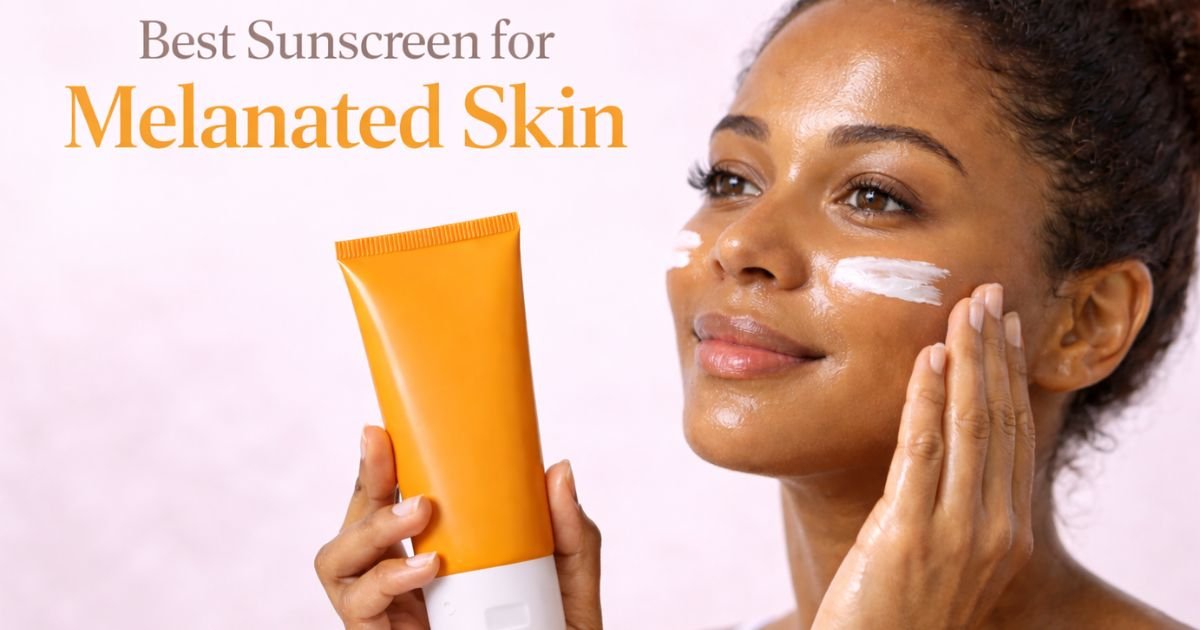
If you have melanated skin, you might wonder whether sunscreen is as important for you as it is for those with lighter skin tones. The truth is, while darker skin provides some natural protection from the sun due to its higher melanin content, it’s still crucial to use sunscreen to protect against skin damage, premature aging, and the risk of skin cancer. While melanin can help absorb UV rays and reduce the chances of sunburn, it doesn’t eliminate the risk of other sun-related skin issues such as hyperpigmentation, sunburn, and long-term skin damage.
Who May Benefit & Who Should Avoid Sunscreen:
Sunscreen is essential for everyone, regardless of skin tone. However, melanated skin has more melanin, which provides some natural protection against the sun’s harmful rays, offering a built-in SPF of about 13 to 15. But this doesn’t mean you’re immune to sun damage or conditions like hyperpigmentation, which can be triggered or worsened by UV exposure.
Ideal Skin Types:
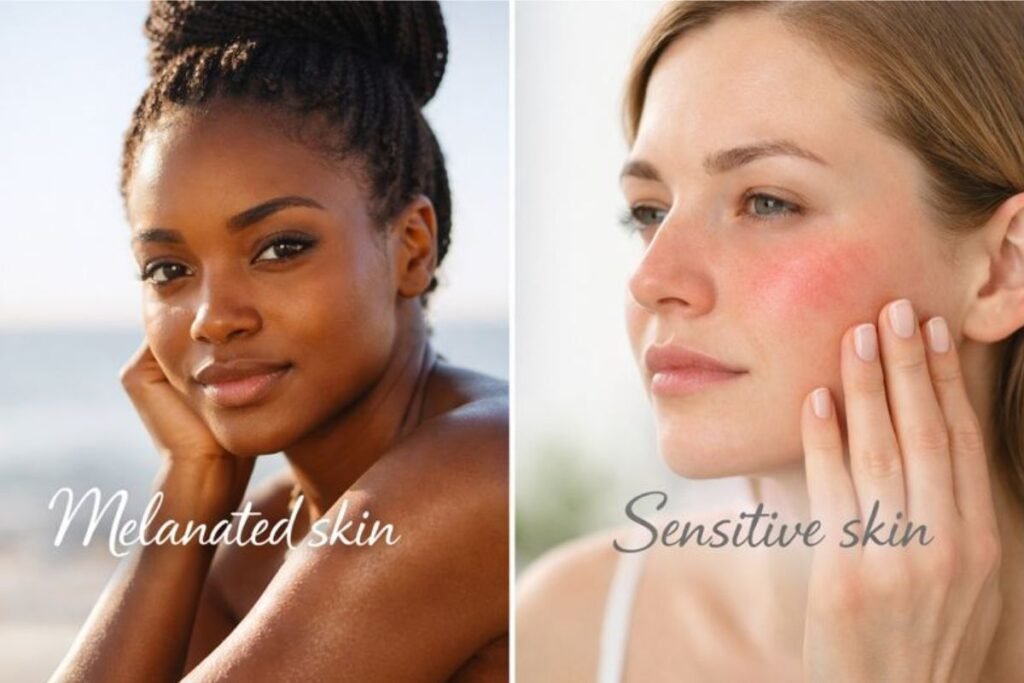
- Melanated skin: Especially those with darker tones (e.g., African, Hispanic, Middle Eastern, or South Asian skin), as it is prone to hyperpigmentation and sunburns.
- Sensitive skin: If your skin reacts negatively to UV exposure, using a sunscreen formulated for sensitive skin can help minimize irritation.
Who Should Avoid Sunscreen:
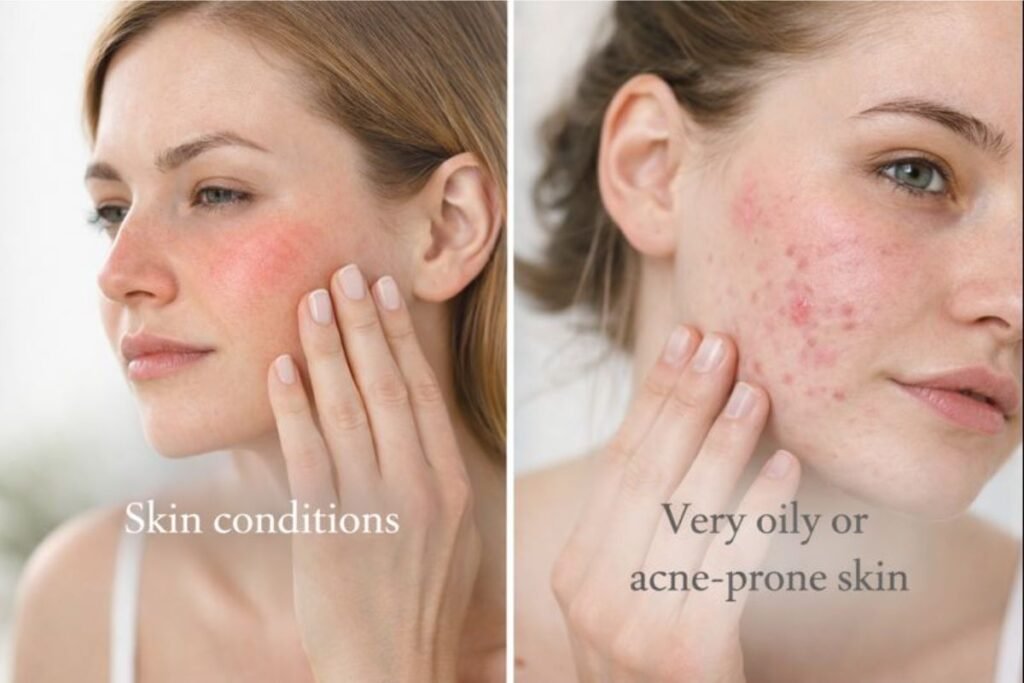
- Skin conditions: People with conditions like rosacea or eczema should opt for a sunscreen that’s gentle, fragrance-free, and formulated for sensitive skin. Sunscreen with harsh chemicals might aggravate these issues.
- Very oily or acne-prone skin: Choose an oil-free, non-comedogenic formula to avoid clogging pores.
How Sunscreen Works: The Science Behind It:
Physical (Mineral) Sunscreens: Reflect UV rays using ingredients like zinc oxide and titanium dioxide. They provide broad-spectrum protection but may leave a slight white cast, making them better for sensitive skin.
Chemical Sunscreens: Absorb UV rays, convert them into heat, and release them. Ingredients like avobenzone and oxybenzone make them lightweight and ideal for melanated skin without leaving a white cast.
The sun’s rays cause two types of damage: UVA (aging) and UVB (burning). Sunscreens with broad-spectrum protection shield you from both.
Temporary vs. Long-Term Effects:
- Short-term effects: Immediate protection from sunburns and irritation. Melanin-rich skin is less likely to burn but is still at risk for inflammation and other forms of damage.
- Long-term effects: Consistent use of sunscreen helps prevent premature aging, skin cancer, and hyperpigmentation. It can also reduce the appearance of dark spots caused by UV exposure.
Top SPF Picks for Dark Skin“
Here are some of the best sunscreens for melanated skin, each offering a unique benefit:
1. EltaMD UV Clear Tinted Broad-Spectrum SPF 46
EltaMD’s UV Clear Tinted Broad-Spectrum SPF 46 is a top choice for those seeking a tinted sunscreen that blends effortlessly into darker skin tones. It offers broad-spectrum protection and contains niacinamide, which helps to soothe and calm skin, making it an excellent option for those with acne-prone or sensitive skin. The subtle tint helps to even out the skin tone and prevents the ashy finish that many sunscreens leave behind.
2. Supergoop! Unseen Sunscreen SPF 40
This invisible, clear formula makes Supergoop! Unseen Sunscreen SPF 40 perfect for melanated skin. It’s lightweight and works great as a makeup primer, providing high sun protection without leaving a white cast. The sunscreen also offers a smooth, velvety texture, making it ideal for everyday wear under makeup.
3. La Roche-Posay Anthelios Melt-in Milk SPF 50+
La Roche-Posay is a well-respected brand in skincare, and their Anthelios Melt-in Milk SPF 50+ is no exception. Known for its high SPF and lightweight feel, it provides full coverage from both UVA and UVB rays while blending smoothly into the skin without leaving an ashy appearance. This sunscreen is suitable for all skin types and is ideal for those who need a non-tinted option that still works well with melanated skin.
4. Black Girl Sunscreen SPF 30
Specifically formulated with melanated skin in mind, Black Girl Sunscreen SPF 30 is an absolute game-changer. This sunscreen is infused with moisturizing ingredients like jojoba, avocado, and carrot oil, making it great for dry skin. Its lightweight formula is free from harmful chemicals, and it absorbs easily without leaving a white cast, making it perfect for those who want a sunscreen that hydrates and protects.
5. Neutrogena Ultra Sheer Dry-Touch Sunscreen SPF 55
For an affordable option that works great with melanated skin, Neutrogena Ultra Sheer Dry-Touch Sunscreen SPF 55 is a standout choice. It offers broad-spectrum protection and has a dry-touch finish that doesn’t leave a greasy feeling. It works well under makeup and won’t leave skin looking shiny or ashy, making it a solid, budget-friendly option for everyday wear.
6. Supergoop! Protec(tint) Daily SPF 50
Another fantastic choice from Supergoop!, the Protec(tint) Daily SPF 50 offers a slightly tinted formula that helps even out the skin tone while providing broad-spectrum protection. This sunscreen also comes with antioxidants to help prevent premature aging caused by sun exposure, making it ideal for daily use.
7. Vanicream Sunscreen Sport SPF 50
For those with sensitive skin, Vanicream Sunscreen Sport SPF 50 is a great mineral option. This sunscreen is non-comedogenic, fragrance-free, and contains no dyes or parabens, making it suitable for those who need a gentle formula. Although it’s mineral-based, it absorbs easily into darker skin tones without leaving a visible white cast.
Dermatologist Tips for Melanated Skin:
- Always choose SPF 30 or higher: Broad-spectrum protection ensures that you’re shielded from both UVA and UVB rays, helping to prevent skin damage and hyperpigmentation.
- Opt for tinted sunscreens: Tinted sunscreens not only help to provide even coverage but also protect against visible light, which can worsen dark spots and hyperpigmentation.
- Reapply every two hours: Especially when outdoors or sweating, sunscreen should be reapplied to maintain consistent protection.
Recommended Routine Placement:
- Cleanse: Start with a gentle cleanser that suits your skin type.
- Serum: Apply your targeted treatment (e.g., Vitamin C, niacinamide, or hyaluronic acid).
- Moisturizer: Hydrate your skin with a suitable moisturizer.
- Sunscreen: Finish with sunscreen, ensuring it’s broad-spectrum and has an SPF of at least 30.
Targeting Top Concerns:
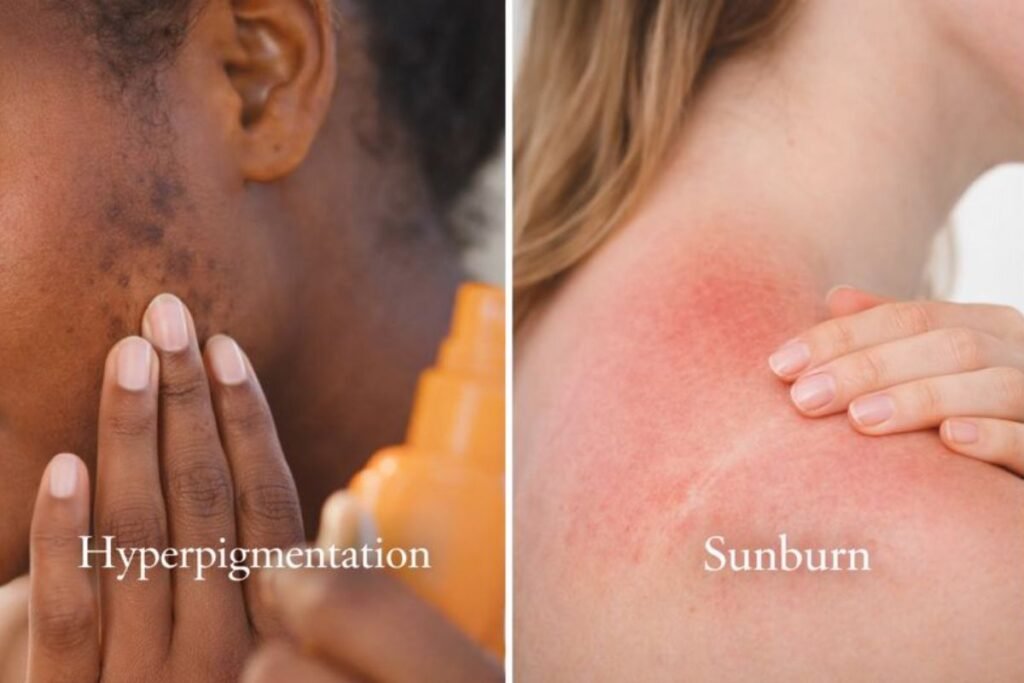
1. Hyperpigmentation:
Melanated skin is more prone to developing dark spots or hyperpigmentation after UV exposure. Sunscreen is a must to prevent worsening of these spots. For a more targeted approach, try a sunscreen with added niacinamide, which helps brighten dark spots.
2. Sunburn:
Although melanated skin has some natural UV protection, it can still burn. If you have sensitive skin or are prone to irritation, look for sunscreens labeled sensitive skin-friendly, which are often free from fragrances or harsh chemicals.
Safety Rules & Warning Signs:
When to Stop Using Sunscreen:
- Irritation: If you experience redness, itching, or a rash, switch to a sunscreen formulated for sensitive skin.
- Burning or stinging: This could indicate that the sunscreen contains irritants. Try switching to a mineral-based sunscreen instead.
How to Minimize Side Effects:
- Patch test: Always do a patch test on a small area of your skin before using a new product.
- Hydrate: If your skin feels dry or tight after sunscreen application, layer it with a good moisturizer.
Realistic Results Timeline:
- Week 1–2: Sunscreen will provide immediate protection from sunburn and skin irritation. You might notice less sensitivity to the sun.
- Month 1: Any existing hyperpigmentation may start to improve, especially if you combine sunscreen with other brightening products.
- Month 3: With consistent use, you’ll notice healthier, more even-toned skin. Sunscreen will help prevent further damage and dark spots from forming.
Common Mistakes & How to Fix Them:
- Skipping sunscreen on cloudy days – UV rays can still reach your skin. Always apply sunscreen daily, rain or shine.
- Not reapplying sunscreen every 2 hours – Reapply to maintain protection.
- Using expired sunscreen – Always check the expiration date on your sunscreen. Expired products may not provide proper protection.
- Not using enough sunscreen – Apply a generous amount to cover your face, neck, and any exposed skin.
- Not layering properly – Ensure you apply sunscreen last in your skincare routine.
FAQs:
1. Why does my sunscreen leave a white cast?
Some sunscreens, especially mineral ones, can leave a white residue. If this bothers you, opt for formulations with non-nano zinc oxide or consider chemical sunscreens that are designed to blend into darker skin tones.
2. Can I use sunscreen with makeup?
Yes! You can use a tinted sunscreen or apply regular sunscreen before makeup. If you need to reapply during the day, try a sunscreen spray or powder for easy touch-ups.
3. Can sunscreen prevent hyperpigmentation?
While sunscreen won’t lighten existing dark spots, it will prevent new ones from forming and prevent existing spots from getting darker.
4. Is sunscreen enough to protect my skin from all sun damage?
Sunscreen is a powerful tool, but it’s also important to seek shade and wear protective clothing (hats, sunglasses, long sleeves) when exposed to direct sunlight for extended periods.