

Dry patches on your face can be both frustrating and uncomfortable. These patches can appear for a variety of reasons, including dehydration, environmental stressors, or even an underlying skin condition. Fortunately, there are natural remedies that can help soothe and hydrate the skin, restoring its smoothness and suppleness. By focusing on gentle, hydrating ingredients and understanding your skin’s needs, you can effectively treat dry patches while maintaining a healthy skincare routine. In this guide, we’ll walk you through everything you need to know, from the science behind dry skin to the best natural treatments that may help.
Understanding Dry Patches on the Skin:
What Causes Dry Patches?
Dry patches occur when the skin loses moisture, causing areas to feel rough, tight, or flaky. The skin’s protective barrier is responsible for locking in moisture, but when this barrier is disrupted (due to environmental factors, harsh weather, or the use of harsh products), dry patches can form.
Common Causes of Dry Skin:
- Dehydration: Lack of water intake can affect skin hydration.
- Cold Weather: The winter months, with their lower humidity, can cause the skin to lose moisture.
- Harsh Products: Cleansers, toners, or exfoliants with alcohol or strong chemicals can strip natural oils.
- Skin Conditions: Conditions like eczema or psoriasis may cause dry patches that require specialized treatment.
Who May Benefit & Who Should Avoid:
Who May Benefit:

- Normal to dry skin: Those with naturally dry skin are more prone to developing dry patches and can benefit from additional hydration and moisture support.
- Sensitive skin: Mild treatments using natural oils, humectants, and emollients can help soothe irritation and dryness for sensitive skin types.
- Skin prone to seasonal changes: Dry patches often appear in colder months when humidity levels drop. If your skin reacts to these changes, you may benefit from natural remedies.
Who Should Avoid:
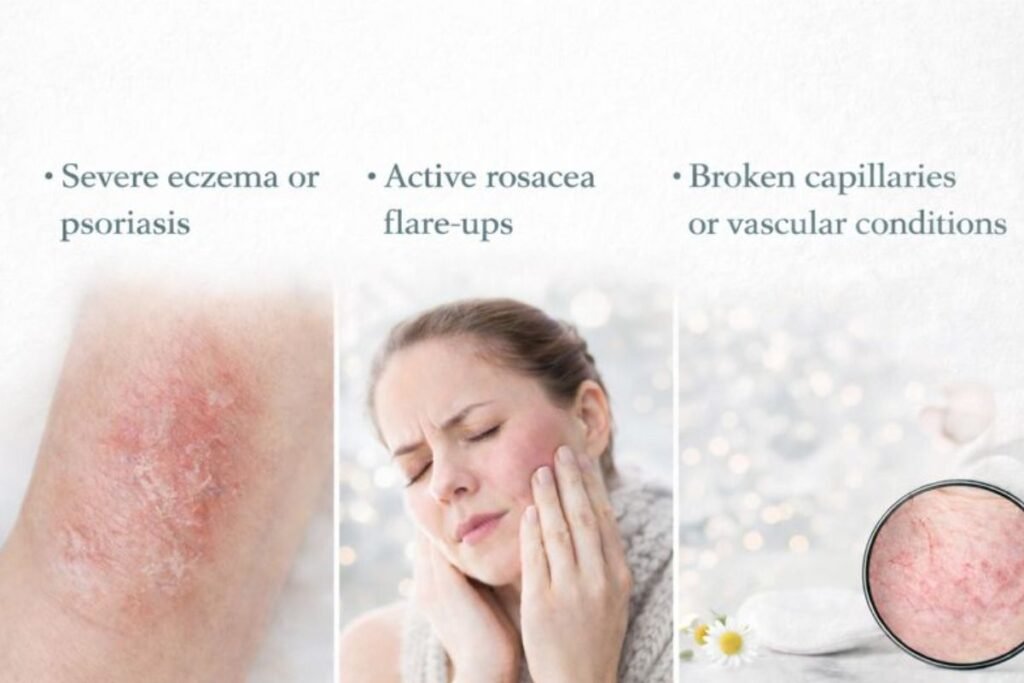
- Severe eczema or psoriasis: If you have a more severe case of eczema or psoriasis, natural remedies may not suffice, and prescription treatments should be considered.
- Active rosacea flare-ups: Some natural treatments, like exfoliation, may worsen rosacea symptoms. Always consult a dermatologist if you have active rosacea.
- Broken capillaries or vascular conditions: Certain oils and ingredients may irritate the skin, causing flare-ups for individuals with broken capillaries or other vascular conditions.
How It Works (The Science):
Dry patches occur when your skin’s barrier is compromised, preventing it from retaining moisture. This can happen due to a variety of factors, such as over-cleansing, harsh weather, or not using the right moisturizer. The goal of treating dry patches naturally is to support the skin’s moisture retention ability through hydrating ingredients that help rebuild the skin’s protective barrier.
Short-term Effects:
Natural remedies, like oils and humectants, work by attracting and locking in moisture, providing temporary relief from the dryness. You may notice your skin feeling smoother and more hydrated almost immediately after application.
Long-term Effects:
Over time, with consistent use of natural products, your skin can develop a stronger barrier, making it more resilient to environmental stressors. However, full restoration of skin health requires time, as the skin’s renewal process takes about 28 days.
Effective Natural Remedies for Dry Patches
Here are the most effective natural ingredients and practices that can help treat dry patches on the face:
1. Hydrating Ingredients for Dry Patches
- Coconut Oil: Rich in fatty acids, coconut oil acts as an emollient to lock in moisture. It’s also known for its antimicrobial properties, making it beneficial for dry skin that’s prone to irritation.
- How to use: Apply a thin layer directly to dry patches and leave it on for at least 15 minutes or overnight.
- Aloe Vera: Known for its soothing properties, aloe vera gel can help calm irritated dry patches and hydrate the skin.
- How to use: Apply fresh aloe vera gel directly to affected areas, leaving it on for 15–20 minutes.
- Honey: Honey is a natural humectant, meaning it draws moisture into the skin and helps keep it hydrated. It also has antibacterial properties that promote healing.
- How to use: Apply honey directly to the dry patches and leave it on for 15 minutes, then rinse with warm water.
2. Moisturizing with Natural Oils
- Argan Oil: This oil is rich in vitamin E and essential fatty acids, which help restore moisture and strengthen the skin’s barrier. It’s non-comedogenic, making it safe for most skin types, including acne-prone skin.
- How to use: Gently massage a few drops of argan oil onto the dry patches after cleansing.
- Olive Oil: Olive oil is packed with antioxidants and anti-inflammatory properties, making it a great choice for sensitive and dry skin.
- How to use: Warm a small amount of olive oil and apply it gently to the dry areas, leaving it on for 15 minutes.
3. Hydrating Masks for Deep Moisture
- DIY Hydrating Mask: A mixture of yogurt, honey, and mashed avocado can serve as an excellent natural mask for dry skin. Yogurt hydrates, honey draws moisture, and avocado provides healthy fats to lock in hydration.
- How to use: Apply the mask to your face for 10–15 minutes, then rinse off with lukewarm water.
- Oatmeal Mask: Oats are gentle and soothing for dry skin. An oatmeal mask can help lock in moisture and calm irritation.
- How to use: Mix oatmeal with honey or milk to form a paste, apply to your face, and leave for 15 minutes.
4. Gentle Exfoliation (1–2 Times per Week)
Exfoliating too often can strip the skin of its natural oils, so be sure to use a gentle, hydrating exfoliant. Enzyme-based exfoliants (such as papaya or pumpkin enzymes) are great options for sensitive skin.
- How to use: Apply the exfoliant in a circular motion, gently massaging it into the skin. Rinse with lukewarm water.
How to Incorporate These Remedies into Your Routine
Safe Frequency:
- For most natural treatments (such as oils or gentle exfoliants), use them 2–3 times per week. For daily use, opt for gentle moisturizers or hydrating masks.
- Hydrating masks: 1–2 times a week for deeper hydration.
- Oils: Apply once a day or every other day if your skin tolerates it.
Routine Placement:
- Cleanser: Use a mild, hydrating cleanser first to remove any impurities without stripping the skin of its natural oils.
- Toner (optional): A hydrating toner can replenish moisture and prepare the skin for better absorption of subsequent products.
- Moisturizer: Lock in hydration with a natural, gentle moisturizer.
- Treatment (optional): Apply oils or treatments after moisturizing if extra hydration is needed, or use them at night to allow overnight absorption.
Products & Ingredients:
Here are some highly recommended ingredients that are effective for treating dry patches naturally:
- CeraVe Hydrating Cleanser: This gentle cleanser is rich in ceramides and hyaluronic acid, both of which are key to restoring moisture to dry skin. CeraVe’s formulation is non-foaming and non-stripping, making it ideal for those with dry patches.
- The Ordinary Hyaluronic Acid 2% + B5: Hyaluronic acid is a powerful humectant that draws moisture into the skin. This product can be applied directly to damp skin to boost hydration levels.
- Neutrogena Hydro Boost Water Gel: Lightweight but intensely hydrating, this gel-based moisturizer contains hyaluronic acid to plump up dry, irritated skin and restore its moisture barrier.
- La Roche-Posay Toleriane Ultra: Specifically designed for sensitive skin, this moisturizer is ideal for calming dry patches and replenishing moisture without irritation.
Targeting Top Concerns:
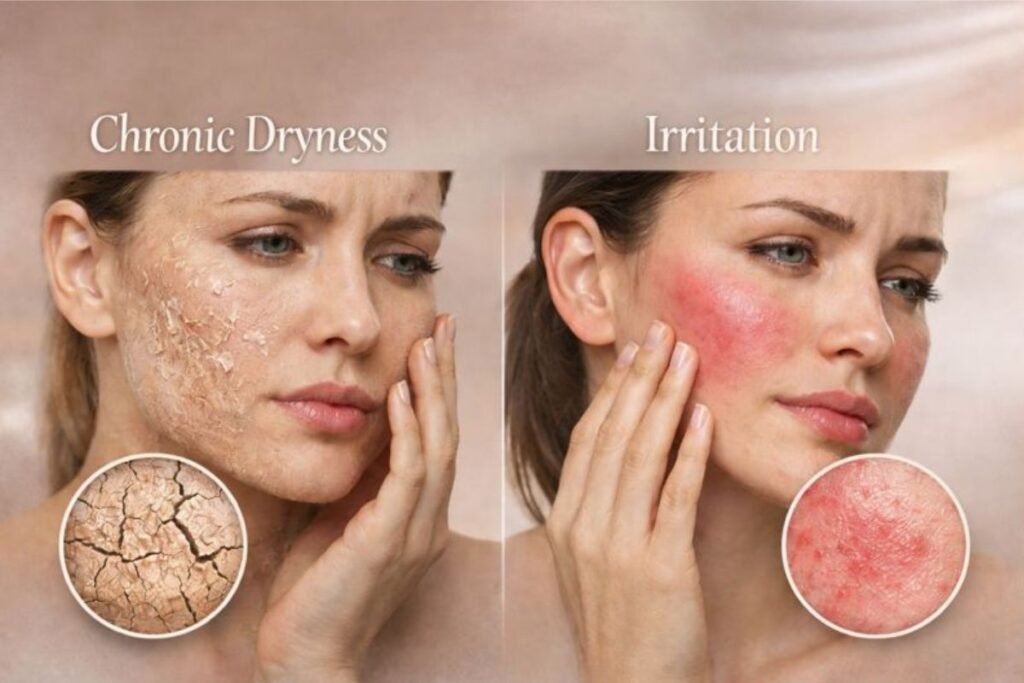
- Chronic Dryness: If your dry patches keep returning, consider switching to a richer moisturizer or incorporating a hydrating mask into your routine once a week.
- Irritation: If using oils causes redness or irritation, try using a lighter product or reducing the frequency of application.
Safety Rules & Warning Signs:
While natural remedies can be highly effective, it’s important to follow these guidelines to avoid potential side effects:
- Watch for irritation: If you notice redness, stinging, or discomfort, stop using the product and consult with a dermatologist.
- Be cautious with essential oils: While beneficial for some, essential oils can be potent and cause irritation, especially in sensitive skin. Always dilute them with a carrier oil and patch test before use.
- Moisturizers with fragrances or alcohols: These ingredients may exacerbate dry skin for certain individuals. Stick to fragrance-free products whenever possible.
Realistic Results Timeline:
Week 1-2: You’ll likely notice some improvement in the appearance of dry patches as your skin becomes more hydrated and nourished.
Month 1: Continued use of hydrating products can help improve skin texture and reduce the appearance of dry patches. Your skin’s barrier should be stronger and more resilient by now.
Month 3: With consistent use, your skin should be in a more stable, hydrated state. Dry patches should be significantly reduced or eliminated if the underlying causes are addressed.
Common Mistakes & How to Fix Them:
- Using Harsh Products: Many people turn to strong exfoliants to remove dry patches, but these can further damage the skin.
Fix it: Use a gentle exfoliant like a hydrating mask or mild exfoliant only 1-2 times per week. - Skipping Sunscreen: UV exposure can worsen dry patches.
Fix it: Always apply SPF daily, even in winter, to protect your skin from environmental damage. - Not Using Enough Moisturizer: It’s tempting to apply a thin layer of moisturizer, but this may not provide the hydration your skin needs.
Fix it: Apply a thick, generous layer of moisturizer to dry areas. - Overusing Oils: While oils can be beneficial, they may clog pores if overused.
Fix it: Use oils sparingly, and opt for a non-comedogenic formula.
FAQs:
1. How do I know if I have dry skin or eczema?
Dry skin is often characterized by tightness, flaking, or dullness, while eczema may cause more severe symptoms like redness, itching, and inflammation. If in doubt, consult a dermatologist for an accurate diagnosis.
2. Can I use coconut oil on dry patches?
Yes, coconut oil is an excellent natural moisturizer for dry skin. However, it may not be suitable for acne-prone skin, as it can clog pores. Always patch-test first.
3. Is it safe to exfoliate dry skin?
Exfoliating too frequently can damage dry skin. Stick to mild exfoliation methods (like enzyme-based exfoliants) 1–2 times per week to avoid further irritation.
4. How long does it take to see results from natural treatments?
It typically takes 1–2 weeks to notice improvement, with more significant changes occurring over a month or more. However, results may vary depending on the severity of the dry patches.