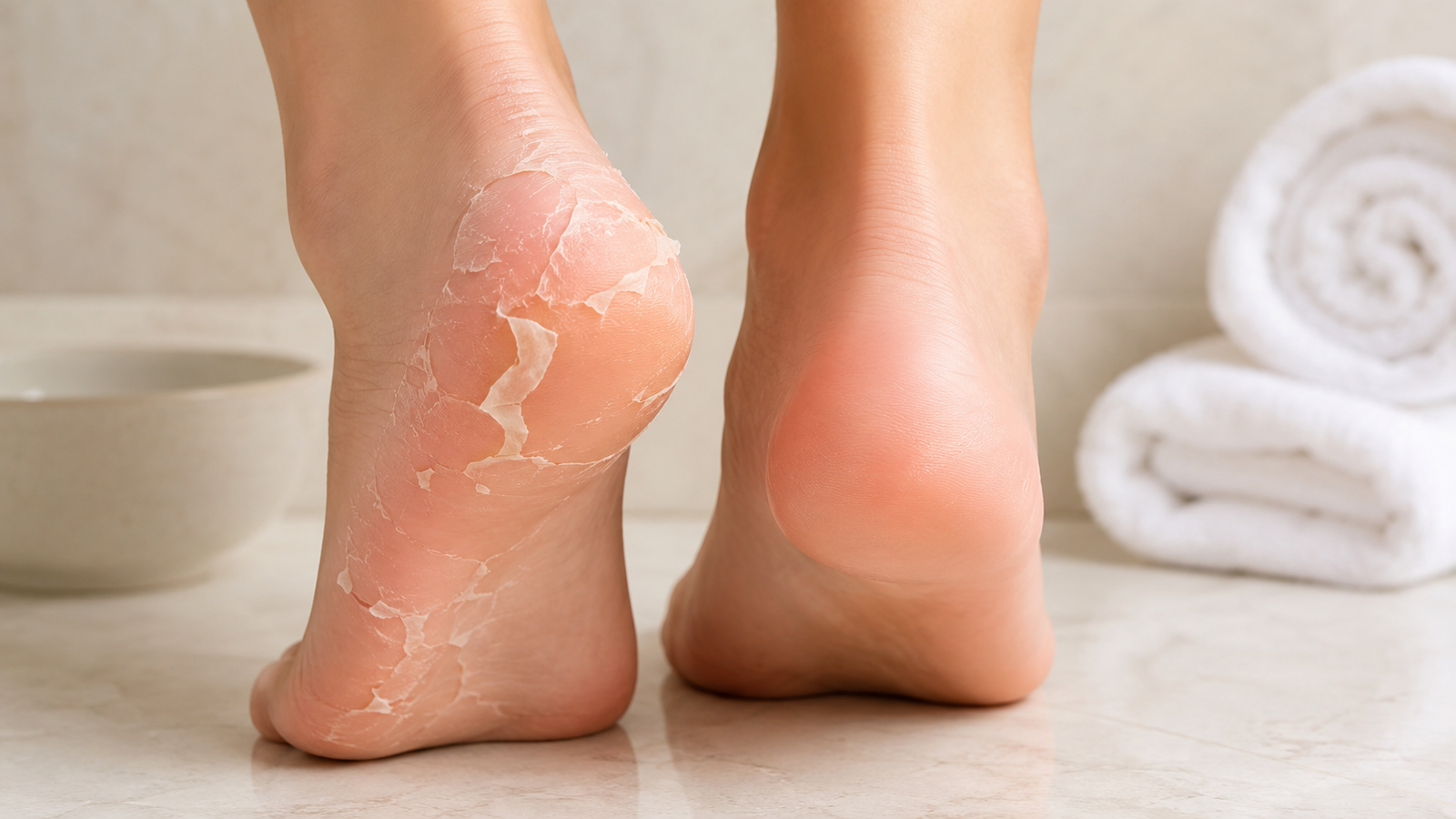
Every summer, my social feeds fill with the same oddly satisfying videos: people peeling what looks like paper-thin sheets of skin from their feet after using The Heel Peel Mask That Goes Viral Every Summer. It looks dramatic, almost unbelievable, and the comments are always full of people asking the same question: Does it actually work?
After trying several heel peel masks over the years, I can tell you the answer is both yes and no. The Heel Peel Mask That Goes Viral Every Summer can leave rough heels noticeably smoother, but the peeling itself isn’t the goal. It’s simply the way the treatment removes built-up dead skin. If you’re expecting an overnight transformation or permanent baby-soft feet, the internet has probably set the wrong expectations.
Quick Answer: Is the Viral Heel Peel Mask Worth Trying?
Yes, if your heels are rough, dry, or covered with built-up dead skin. A heel peel mask uses exfoliating acids to loosen dead skin over several days, revealing smoother skin underneath. It won’t repair deep cracks overnight, stop calluses from returning forever, or replace regular foot care—but it can make a noticeable difference when used correctly.
Why This Heel Peel Mask Goes Viral Every Summer
There’s a reason these videos appear every sandal season.
When people switch from boots and sneakers to flip-flops and sandals, dry heels become much more noticeable. That’s exactly when foot peel videos start circulating again.
The peeling also looks incredibly dramatic on camera. Large sheets of dead skin lifting away make for satisfying before-and-after clips, even though the final results are usually much less dramatic than the peeling stage itself.
One thing I’ve noticed after testing these masks is that people often judge them by how much skin comes off. That’s actually the wrong way to measure success. Some of my best results came from treatments that produced only moderate peeling but left my heels feeling smoother for weeks.
What Happens After You Use The Heel Peel Mask That Goes Viral Every Summer?
Knowing the timeline makes the experience much less confusing.
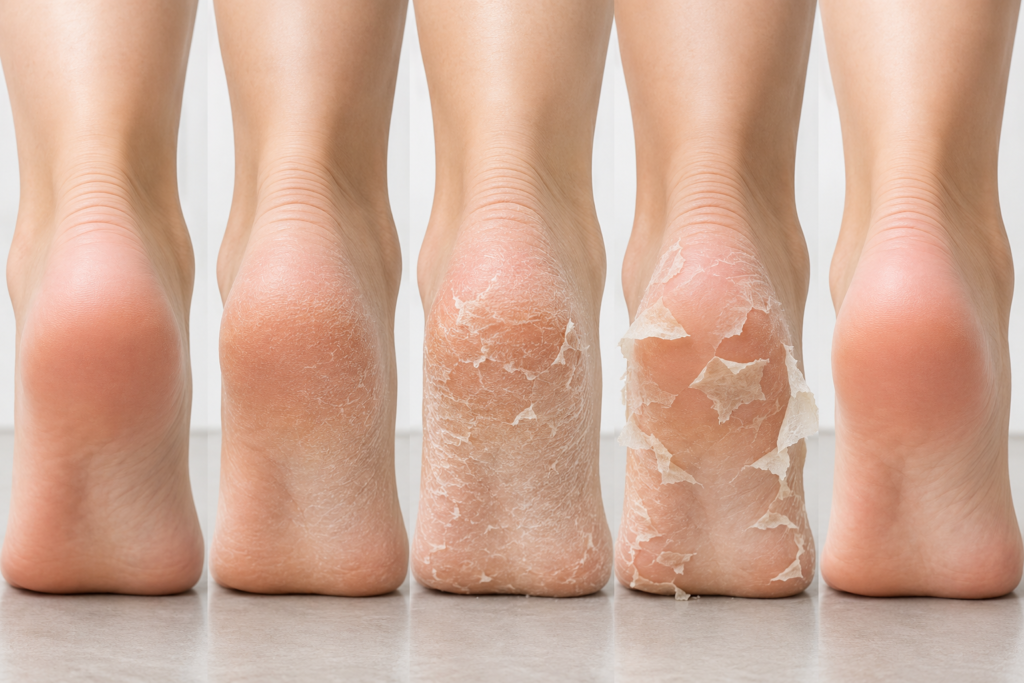
Days 1–2: Almost Nothing Happens
This is when many people assume the product failed.
The exfoliating acids are already working beneath the surface, loosening the bonds between dead skin cells, but you probably won’t see visible changes yet.
Resist the temptation to use another exfoliating product during this stage.
Days 3–5: The Peeling Begins
Small flakes usually appear around the heels, toes, or balls of the feet first.
Warm water softens the loosened skin, so you’ll often notice more peeling after a shower.
Good to Know: Warm foot soaks don’t make the acids stronger. They simply soften skin that’s already ready to separate naturally.
Days 5–8: The Dramatic Viral Stage
This is the stage you usually see online.
Large pieces of dead skin may lift away, especially if your heels had thick buildup beforehand.
It can look dramatic, but don’t pull at loose skin. If it isn’t ready to come off, removing it too early can expose healthy skin underneath and leave your feet sore.
Days 9–14: Fresh Skin Appears
Most of the peeling has finished.
Your heels usually feel softer, smoother, and less rough, although deep calluses may still be present if they’ve built up over many years.
Why Some Feet Peel Like Crazy While Others Barely Flake
This surprises almost everyone.The amount of peeling has very little to do with how well the mask worked.
Several factors affect the process:
- How thick your dead skin was before treatment
- How dry your heels are naturally
- How much pressure your feet experience every day
- Whether you’ve recently exfoliated
I’ve seen people panic because they barely peeled, only to realize a week later that their heels still felt much smoother.
More peeling doesn’t automatically mean better results.
What Actually Makes These Masks Work?
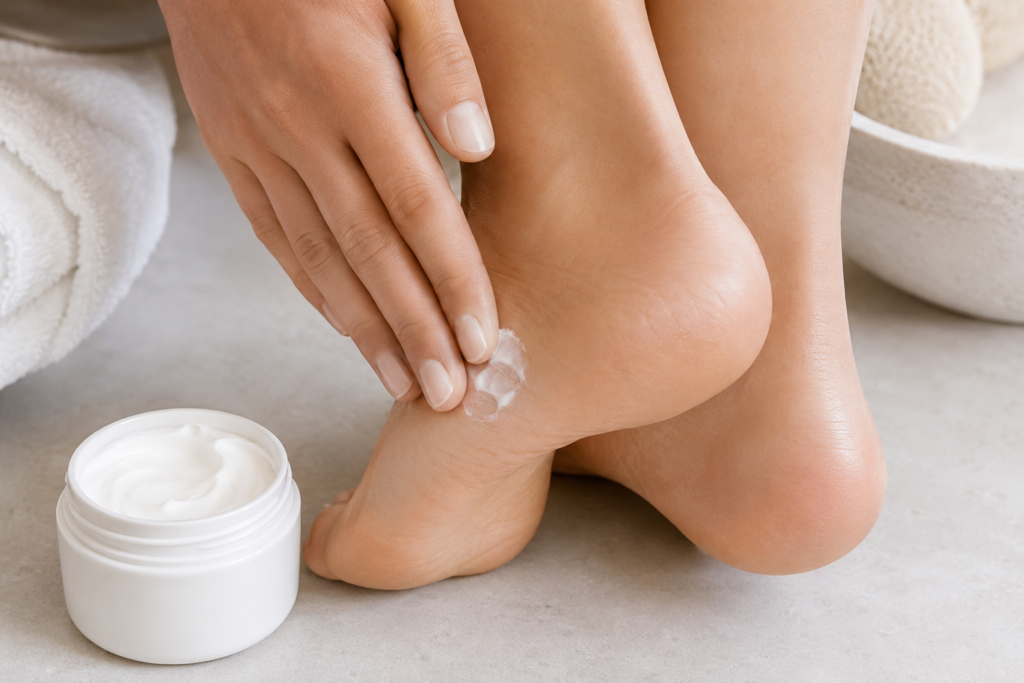
Most heel peel masks contain a blend of exfoliating acids, commonly alpha hydroxy acids (AHAs), beta hydroxy acids (BHAs), or fruit-derived acids.
These ingredients don’t scrape skin away.
Instead, they dissolve the tiny “glue” that holds dead skin cells together. Once those connections weaken, the outer layer naturally sheds over the following days.
That’s why trying to speed up the process with a foot file usually backfires. The acids are already doing the work beneath the surface.
One detail many articles skip: thick calluses often peel in layers. The acids usually loosen the outermost buildup first, so one treatment may reveal a thinner callus rather than remove it completely.
What the Viral Videos Never Mention
The internet loves dramatic transformations, but real life is usually less exciting.
Your Feet May Look Worse Before They Look Better
During peak peeling, your feet can actually appear rougher than before.
If you have a vacation planned where you’ll be wearing sandals every day, use the mask at least two weeks beforehand.
I learned this the hard way before a beach weekend. Instead of smooth heels, I spent several days trying to hide peeling skin.
It Won’t Fix Every Foot Problem
A heel peel mask helps remove dead surface skin.
It doesn’t treat:
- Deep heel cracks
- Athlete’s foot
- Eczema
- Painful fissures
- Foot infections
If those issues are causing rough heels, peeling alone won’t solve the underlying problem.
The Softness Doesn’t Last Forever
Your body keeps producing dead skin.
If friction from walking, standing, or open-back shoes continues, calluses gradually return.
That’s normal—not a sign the mask “stopped working.”
How to Get Better Results From The Heel Peel Mask That Goes Viral Every Summer
A few small changes can make a noticeable difference.
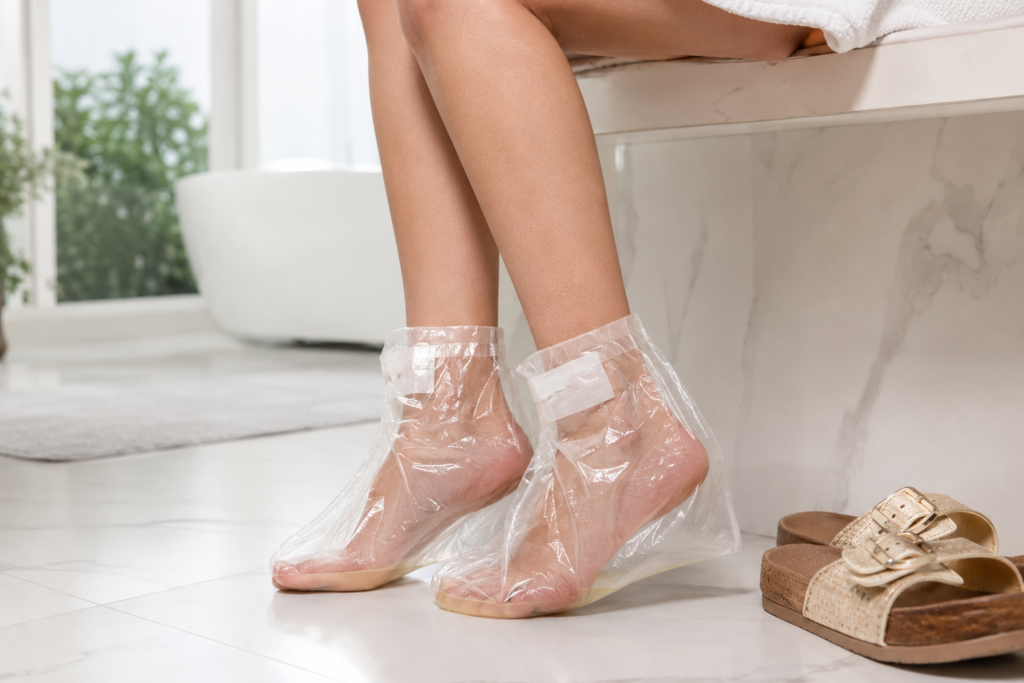
Start with clean, completely dry feet so the exfoliating solution contacts the skin evenly.
Follow the recommended wear time exactly. Leaving it on longer doesn’t necessarily produce better results and may increase irritation.
Once peeling begins, let the skin come off naturally.
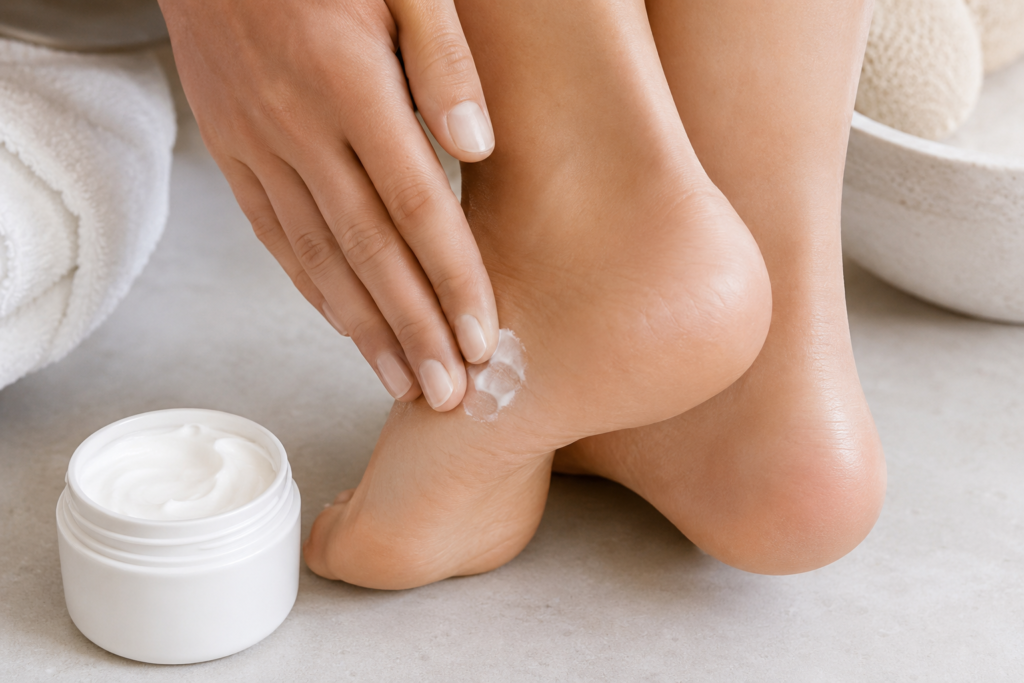
After the peeling phase is over, switch to a rich fragrance-free foot cream containing ingredients like urea, ceramides, glycerin, or petrolatum. Those ingredients help the newly exposed skin stay hydrated instead of drying out again.
Pro Tip: Daily moisturizing after your peel often extends the results much longer than repeating another peel a few weeks later.
Common Mistakes That Can Ruin Your Results
These are the mistakes I see most often.
- Pulling hanging skin before it’s ready
- Scrubbing with a foot file during active peeling
- Using another acid exfoliant at the same time
- Skipping moisturizer after the peel finishes
- Expecting one treatment to erase years of thick calluses
Another mistake people rarely mention is applying the mask after shaving or waxing nearby skin. Freshly irritated skin can become much more sensitive to exfoliating acids.
Watch Out: If you experience intense burning, swelling, blistering, or severe redness instead of mild peeling, rinse the product off immediately and stop using it.
Who Gets the Best Results?
You’ll probably be happiest with a heel peel mask if you have:
- Dry summer heels
- Mild to moderate calluses
- Rough patches from sandals
- Flaky skin that moisturizer alone isn’t improving
You may be disappointed if you’re expecting it to heal deep cracks or replace regular foot care.
Who Should Skip It?
Avoid using a heel peel mask if you have:
- Open cuts or bleeding cracks
- Active eczema flare-ups
- Athlete’s foot
- Broken or irritated skin
- A known sensitivity to exfoliating acids
If you have diabetes, poor circulation, or reduced feeling in your feet, check with your healthcare provider before trying chemical foot peels. Even small skin injuries deserve extra care.
The Bottom Line
The Heel Peel Mask That Goes Viral Every Summer earns its popularity for one simple reason—it can genuinely improve rough, dry heels when your expectations match reality.
The satisfying peeling videos are entertaining, but they aren’t the real result. Softer skin is. If you use the mask correctly, give it time to work, and keep moisturizing afterward, you’ll usually get far better results than someone chasing the biggest peel for social media.
Save this guide before your next at-home foot care day—you’ll know exactly what to expect from day one to day fourteen.