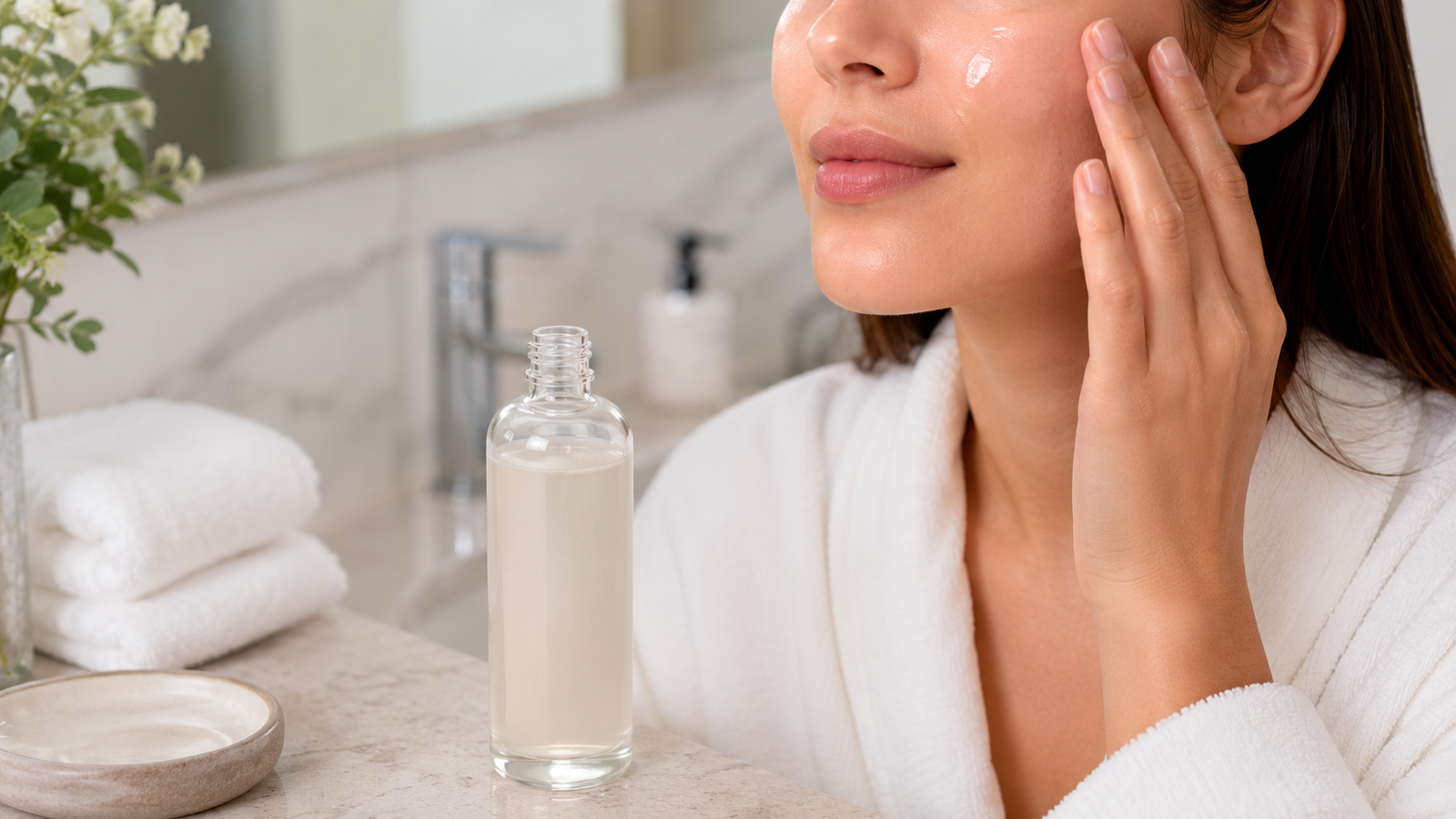
Fermented skincare has gone from a niche K-beauty idea to a mainstream skincare trend, but not for the reasons many social media posts claim. If you’ve been wondering whether The Fermented Skincare Trend Why Your Skin Wants It is genuinely backed by science or simply another beauty buzzword, the answer is somewhere in the middle.
The truth is that fermentation can change how certain skincare ingredients behave on your skin. It isn’t magic, and it won’t replace a good routine, but in the right formula, fermented ingredients can support hydration, strengthen the skin barrier, and leave skin looking calmer and healthier over time.
Quick Answer: The fermented skincare trend centers on ingredients that have been transformed through fermentation, creating smaller compounds that may be easier for skin to use. Well-formulated fermented products can help improve hydration, support the skin barrier, and reduce the appearance of dullness. They aren’t essential for everyone, but many people with dehydrated or stressed skin notice smoother, more comfortable skin after several weeks of consistent use.
Why The Fermented Skincare Trend Took Off So Quickly
For years, skincare focused on adding stronger active ingredients. Then the conversation shifted toward protecting the skin barrier instead of constantly challenging it.
That’s where fermentation fits in.
During fermentation, microorganisms break larger molecules into smaller ones while producing beneficial compounds like amino acids, peptides, antioxidants, and organic acids. Those changes can make certain botanical ingredients more compatible with the skin.
That doesn’t automatically mean every fermented product works better than a non-fermented one. Formulation still matters far more than the word fermented printed on the label.
One thing I’ve noticed after testing different formulas is that good fermented products rarely give dramatic overnight results. Instead, your skin gradually becomes less reactive, holds moisture better, and develops a healthier texture.
What Fermentation Actually Changes Inside a Skincare Formula
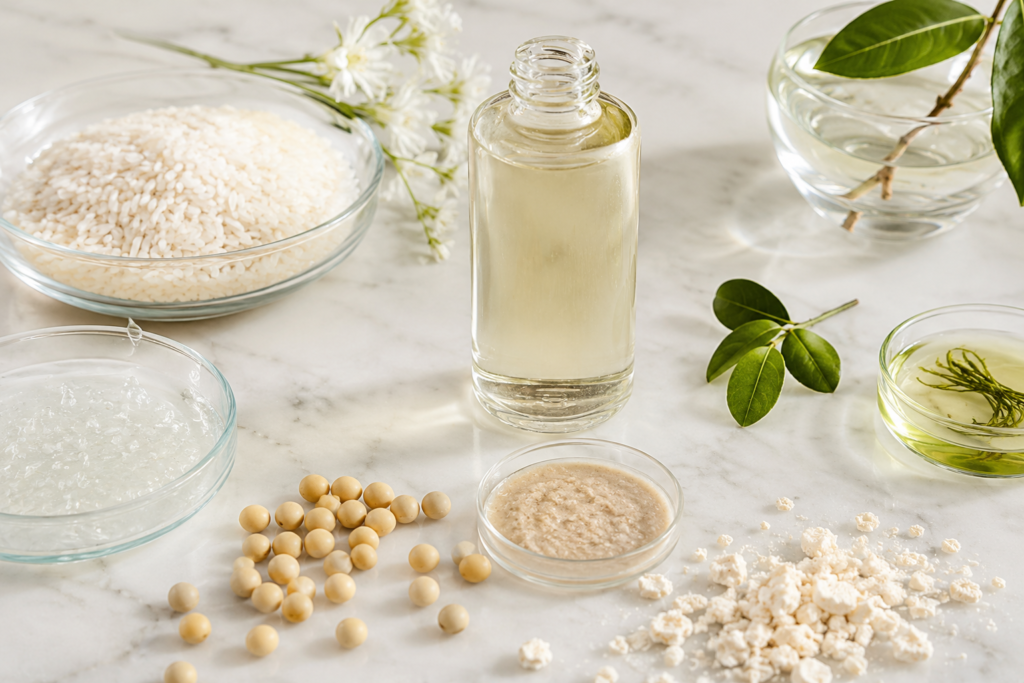
Many people assume fermentation simply means adding probiotics to skincare. That’s not quite how it works.
The fermentation process can:
- Break large plant compounds into smaller molecules
- Produce skin-friendly amino acids
- Increase antioxidant availability
- Create moisturizing sugars and peptides
- Improve ingredient stability in some formulas
Think of fermentation as partially “pre-processing” an ingredient before your skin has to interact with it.
A useful comparison is food. Your body often digests fermented foods differently than raw ones because microorganisms have already begun breaking them down. Skincare works differently than digestion, but the underlying concept of transforming ingredients is similar.
Why Your Skin Barrier Often Likes Fermented Ingredients
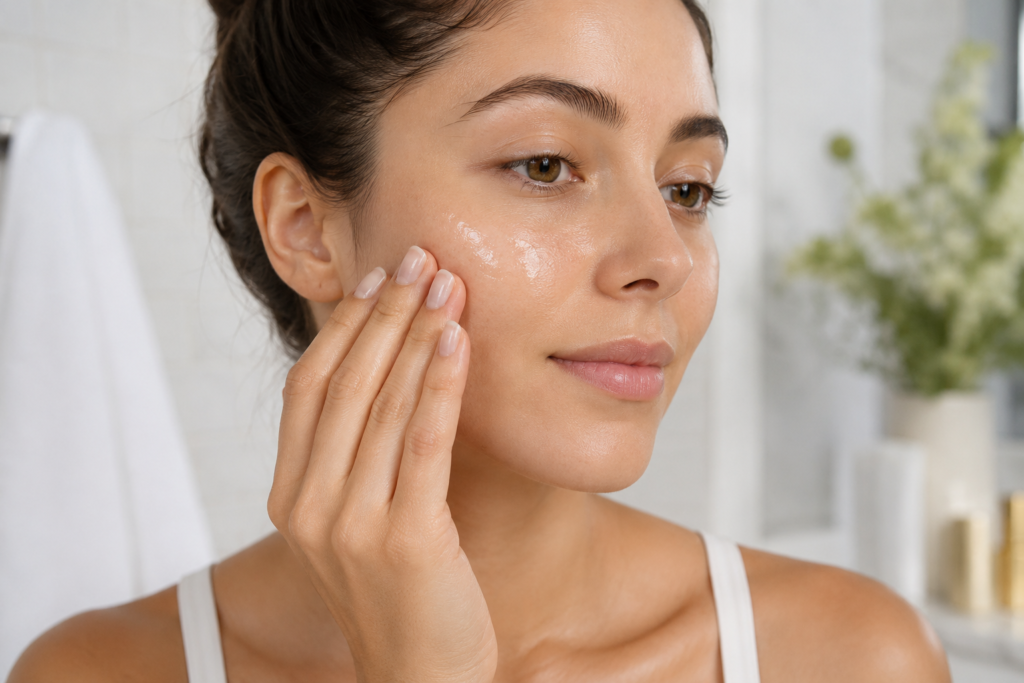
One reason The Fermented Skincare Trend Why Your Skin Wants It keeps appearing in beauty conversations is its connection to the skin barrier.
Your barrier is the outermost protective layer of skin. When it’s damaged, you may notice:
- Tightness after cleansing
- Increased sensitivity
- Rough patches
- Flaking
- Products suddenly stinging
Fermented ingredients don’t “repair” the barrier overnight. Instead, many formulas help create an environment where the barrier can function more normally by improving hydration and reducing moisture loss.
Hydrated skin also tends to reflect light more evenly, which explains why people often describe fermented skincare as making skin look brighter.
It’s usually healthier skin—not miraculous skin.
Fermented Ingredients Aren’t Just About Probiotics
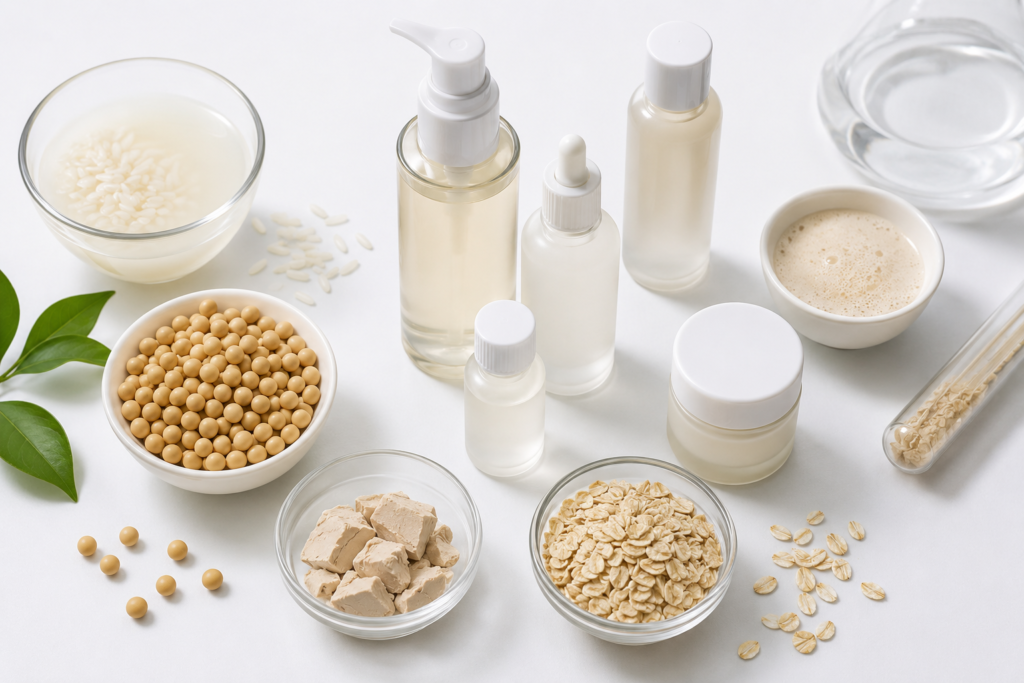
One of the biggest misconceptions is that fermented skincare equals probiotics. Most skincare contains ferment filtrates, fermented extracts, lysates, or postbiotic ingredients, not live bacteria. These ingredients may help support the skin’s natural ecosystem without containing living probiotics.
Common ingredient names include:
- Ferment filtrates
- Yeast ferment
- Rice ferment
- Soy ferment
- Lactobacillus ferment
- Bifida ferment lysate
- Saccharomyces ferment
Reading ingredient lists becomes much more useful than simply looking for the word “fermented” on the packaging.
Good to Know: Products don’t need a long list of fermented ingredients to be effective. A thoughtfully formulated serum with one quality ferment often performs better than a product packed with trendy ingredients.
Why Some People Notice Results Faster Than Others
Not every skin type responds the same way.You may notice more visible improvements if you have:
- Dehydrated skin
- A weakened skin barrier
- Mild sensitivity
- Dullness
- Skin that feels rough despite moisturizing
People with already healthy, balanced skin may only notice subtle improvements.
That’s perfectly normal.
One mistake I made early on was expecting fermented skincare to transform my complexion in a week. Instead, the biggest difference appeared after about a month, when my skin stayed comfortable throughout the day instead of feeling tight by afternoon.
Where Fermented Skincare Fits Into Your Routine
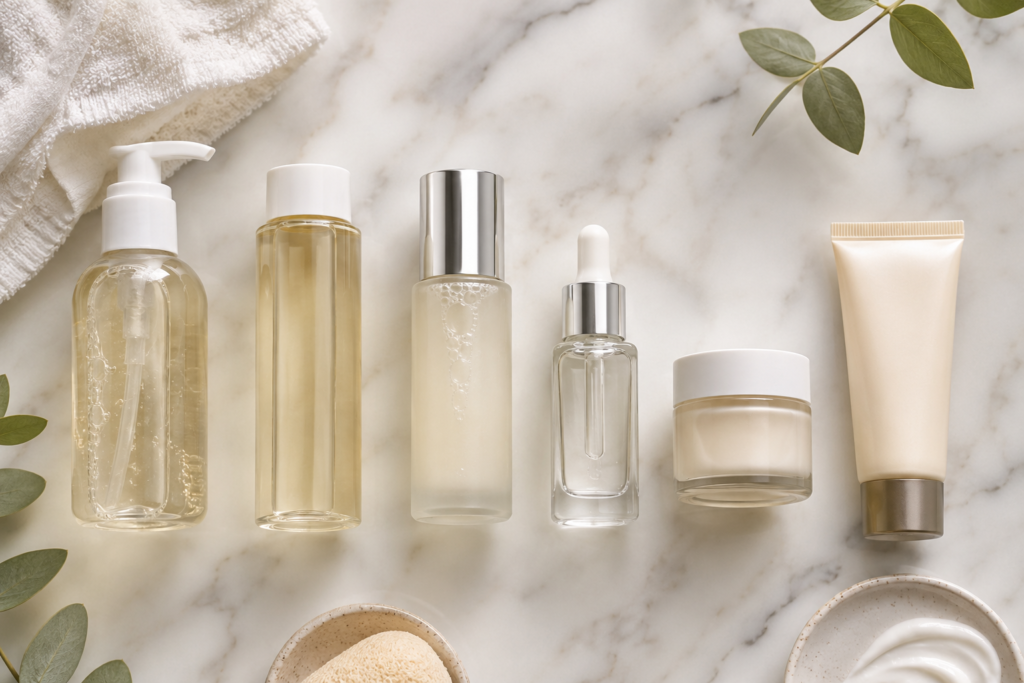
Most fermented products are easy to layer.
Typical order:
- Gentle cleanser
- Hydrating toner (optional)
- Fermented essence or serum
- Moisturizer
- Sunscreen in the morning
Most people can use fermented products once or twice daily unless the label recommends otherwise.
Because they’re generally designed to support hydration rather than aggressively exfoliate, they often fit into both morning and evening routines.
Ingredients That Pair Especially Well With Ferments
Fermented skincare usually layers well with many common ingredients.
Good combinations include:
- Ceramides for barrier support
- Glycerin for hydration
- Hyaluronic acid for moisture
- Niacinamide for oil balance and barrier function
- Panthenol to soothe dry skin
- Squalane to reduce moisture loss
These combinations focus on strengthening the skin rather than constantly pushing it with stronger actives.
What About Retinol and Acids?
Fermented ingredients don’t necessarily clash with retinol, AHAs, or BHAs.
In fact, many people like using fermented serums alongside these ingredients because the extra hydration helps offset dryness.
That said, if your skin is already irritated from over-exfoliation, adding another new product at the same time makes it harder to know what’s helping.
Pro Tip: Introduce fermented skincare before adding another active ingredient. It’s much easier to judge results when only one new product changes in your routine.
Texture Matters More Than Most People Realize
I’ve found texture makes a surprising difference in how consistently people use fermented skincare.
You’ll commonly see:
Essences – Lightweight, watery, ideal for layering.
Serums – More concentrated with added hydrating ingredients.
Creams – Better for dry skin or nighttime routines.
Masks – Helpful for occasional hydration but shouldn’t replace daily skincare.
Choose the texture you’ll actually enjoy using every day.
Consistency beats concentration.
What The Fermented Skincare Trend Will NOT Do
This is where marketing often gets carried away.
Fermented skincare won’t:
- Erase deep wrinkles
- Permanently shrink pores
- Cure acne
- Replace sunscreen
- Remove pigmentation overnight
- Reverse years of sun damage
Its strength is supporting healthier-looking skin over time—not delivering dramatic cosmetic changes after a few applications.
That’s actually one reason many people stick with it. The improvements tend to look natural rather than obvious.
How Long Does It Take to See Results?
Hydration improvements often appear within the first week.
Barrier comfort usually improves after two to four weeks.
Brighter-looking skin may become noticeable after about four to eight weeks, depending on the rest of your routine.
If you’re constantly switching products every ten days, you’ll probably never know whether a fermented product was helping.
How to Choose a Good Fermented Skincare Product
Instead of buying the first product labeled “fermented,” look for:
- Fragrance-free if you’re sensitive
- Moisturizing ingredients alongside the ferment
- Packaging that protects light-sensitive ingredients
- A texture suited to your skin type
- A complete formula rather than a single trendy ingredient
Patch test new products on a small area for several days before applying them to your whole face.
If you have persistent eczema, rosacea, severe allergic reactions, or unexplained facial rashes, it’s worth speaking with a dermatologist before introducing multiple new skincare products at once.
The Bottom Line on The Fermented Skincare Trend Why Your Skin Wants It
The best thing about The Fermented Skincare Trend Why Your Skin Wants It is that it encourages healthier skin rather than chasing quick fixes.
If your skin often feels dry, tight, or easily irritated, a well-formulated fermented essence or serum may become one of the most dependable products in your routine. Just don’t expect miracles. The improvements are usually gradual, subtle, and tied to a stronger skin barrier—not overnight transformation.
If you found this guide helpful, save it for the next time you’re comparing skincare labels or trying to decide whether a fermented product is actually worth adding to your routine.