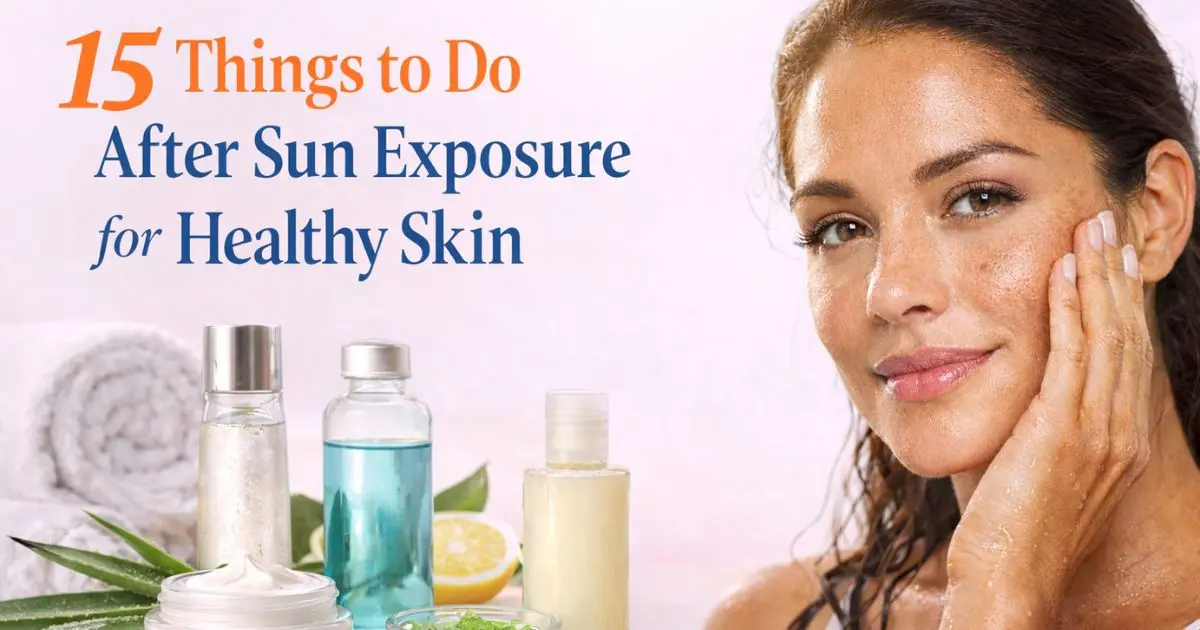

After a long day at the beach, pool, or outdoors, your body skin may look dull, tight, flaky, or creased. Sun exposure is only part of the problem; heat, sweat, salt water, chlorine, hot showers, and repeated cleansing can also increase water loss from the skin’s outer barrier. A practical post-sun body-care routine should focus on cooling, gentle cleansing, barrier-supporting moisture, and preventing another round of UV exposure.
This routine is designed for skin that looks dry or dehydrated after ordinary sun exposure. If you have extensive blistering, severe pain, fever, chills, confusion, or signs of dehydration, skip home experimentation and seek medical care.
What Post-Sun Skin Needs Most
Post-sun dryness is usually helped by combining three types of moisturizing ingredients. Humectants such as glycerin, hyaluronic acid, urea, and sorbitol attract water; emollients such as squalane, fatty alcohols, and plant oils soften rough spaces between skin cells; and occlusives such as petrolatum, mineral oil, and dimethicone slow water loss from the surface. DermNet describes occlusives as ingredients that form a protective layer to reduce evaporative water loss from the outer skin. (DermNet)
A lotion may feel comfortable in hot, humid weather, while a cream is usually more suitable for very dry shins, elbows, knees, hands, and feet. A complete moisturizer often works better than applying a single oil or a watery gel by itself. Texture matters because the best product is one you can apply generously and consistently.
The Post-Sun Body-Care Routine
Step 1: Cool the Skin Before Applying Products
Begin with a brief cool or lukewarm shower if your skin feels hot, flushed, or uncomfortable. Hot water can worsen tightness and irritation, while a cool shower or damp washcloth may provide temporary relief. Keep the water comfortable rather than ice-cold, and gently pat the skin instead of rubbing it dry.
The American Academy of Dermatology recommends cool baths or showers to ease sunburn discomfort and advises applying moisturizer while skin remains slightly damp. (AAD) Do not place ice directly on the skin, especially if it is tender or peeling. Cooling is meant to improve comfort, not to reverse UV damage.
Step 2: Cleanse Without Stripping the Barrier
Use a fragrance-free, non-soap body cleanser with a creamy or low-foam texture. Apply it mainly to sweaty or odor-prone areas such as the underarms, feet, groin, and skin folds instead of scrubbing the entire body aggressively. Your hands or a soft cloth are usually enough; rough gloves and dry brushes can make post-sun sensitivity worse.
Avoid strong fragrances, deodorizing washes, harsh antibacterial soaps, and long hot showers while the skin feels tight. If you were swimming, rinse away chlorine or salt water, then pat dry gently. A short, simple shower often supports the skin barrier better than a complicated cleansing routine.
Step 3: Moisturize Damp Skin
Apply body moisturizer within a few minutes of showering, while the skin is still slightly damp. This allows humectants to bind water while emollients and occlusives help reduce evaporation. Smooth the product over the skin rather than massaging tender areas vigorously.
Look for fragrance-free formulas containing glycerin, ceramides, dimethicone, petrolatum, shea butter, or hyaluronic acid. Ceramides are skin-identical lipids used in barrier-supporting products, although the final result depends on the entire formulation and regular use. If your skin is very dry, choose a cream instead of a thin lotion and reapply whenever tightness returns.
Step 4: Soothe Mildly Irritated Areas
A moisturizer containing aloe or soy may feel soothing on mildly sun-irritated skin. Apply it gently to damp skin and repeat when discomfort returns, as recommended by the AAD. Aloe can offer a cooling cosmetic effect, but it does not erase sun damage or heal a burn instantly.
Choose simple, fragrance-free aloe products and avoid formulas that contain alcohol, menthol, camphor, or strong essential oils if your skin stings easily. Stop using a product if it causes burning, itching, or a rash. A colloidal oatmeal bath may also calm itch and dryness, but moisturize afterward to help retain water.

Step 5: Pause Scrubs and Exfoliating Acids
Do not exfoliate freshly sun-exposed skin simply because it looks flaky. Glycolic acid, lactic acid, salicylic acid, exfoliating gloves, and grainy scrubs can increase stinging when the barrier is irritated. Peeling skin should be allowed to shed naturally rather than being pulled or buffed away.
Wait until your skin is comfortable, intact, and no longer unusually red or tender before restarting exfoliation. If you still need help with rough texture, begin with one mild product once weekly and increase only if your skin tolerates it. Using several exfoliants together can create more irritation without producing faster results.
Step 6: Protect the Skin From More UV
Moisturizer improves comfort but does not protect against further sun exposure. Apply a broad-spectrum, water-resistant SPF 30 or higher to exposed body areas and reapply at least every two hours outdoors or after swimming and heavy sweating. Clothing, shade, and a wide-brimmed hat can provide useful additional protection.
Remember areas that are often missed, including the tops of the feet, shoulders, chest, hands, ears, and the back of the neck. Do not apply sunscreen over open blisters or broken skin unless a healthcare professional advises you to do so. Cover tender areas with loose clothing and avoid direct sun until they feel settled.
A Simple Morning Routine
In the morning, take a short lukewarm shower if needed and use cleanser only where necessary. Apply a fragrance-free lotion or cream to damp skin, using a richer formula on rough patches that dry out repeatedly. Finish with broad-spectrum sunscreen on every exposed area.
If sunscreen pills over your moisturizer, use a lighter lotion or allow the moisturizer a few minutes to settle before applying SPF. Reapply after swimming, sweating, or towel drying. In very sunny conditions, protective clothing can reduce the amount of sunscreen you need to apply to covered areas.
A Restorative Evening Routine
At night, wash away sunscreen, sweat, salt, and chlorine with a gentle cleanser. Pat the skin mostly dry, apply a barrier-supporting cream, and add a thin layer of petrolatum to small cracked areas such as heels, knuckles, or elbows. Loose, soft sleepwear may feel more comfortable than tight or rough fabrics.
You do not need a separate serum, body mask, scrub, and oil to recover from ordinary dryness. A consistent cleanser-and-moisturizer routine is often more useful than frequently changing products. Continue morning and evening moisturizing for several days, then maintain the habit as needed.
Adapt the Routine to Your Skin

Sensitive or Reactive Skin
Keep the routine minimal: gentle cleanser, bland fragrance-free moisturizer, and sunscreen. Patch-test a new product on a small area before applying it widely, especially if you have reacted to fragrances or botanical ingredients before. “Natural” ingredients can still cause irritation, so read the full label rather than relying on marketing language.
Very Dry Skin
Choose a thick cream or ointment rather than a light lotion. Apply it after every shower and again before bed, concentrating on the shins, knees, elbows, hands, and feet. Petrolatum, dimethicone, ceramides, and glycerin can be useful, while urea may help roughness but can sting cracked or freshly irritated skin.
Acne-Prone Chest or Back
Use a non-comedogenic moisturizer and apply it mainly to areas that feel dry. Once the skin has fully recovered, you may gradually restart an acne product you already tolerate. Avoid introducing exfoliating acids, retinoids, and fragranced body products all at once because irritation can make texture and discoloration look worse.
Hot and Humid Climate
A lightweight lotion or gel-cream may be easier to wear during the day. Use a thicker cream only on rough patches or at night, and avoid showering repeatedly just to remove sweat unless necessary. A quick water rinse followed by targeted cleansing may be less drying than several full, soapy showers.
Dry or Air-Conditioned Environment
Use a cream that combines humectants with emollients or occlusives. Apply it to damp skin so the water-attracting ingredients are followed by a layer that helps hold moisture in. If indoor air is consistently dry, a clean room humidifier may improve comfort, although it cannot replace moisturizer or sun protection.
Products and Habits to Avoid Temporarily
Avoid tanning, steam rooms, hot tubs, and prolonged hot showers while your skin is recovering. Do not pop blisters, pick peeling skin, or use harsh “detox” treatments to remove sun exposure from the body. Strongly fragranced after-sun products may smell pleasant but can sting sensitive skin.
Be cautious with products that contain high amounts of alcohol, menthol, camphor, or essential oils. A plain, affordable moisturizer may be more suitable than a specialized seasonal product with many unnecessary ingredients. Fewer products also make it easier to identify what is helping or irritating your skin.
When to Seek Medical Advice
Blistering, severe pain, fever, chills, vomiting, confusion, faintness, or signs of dehydration can indicate a more serious sunburn or heat-related problem. Medical assessment is also appropriate when the burn affects the eyes, face, hands, genitals, or a large area of the body. The AAD notes that blistering represents a deeper, second-degree sunburn and advises allowing blisters to heal without popping them. (AAD)
If itching, redness, scaling, or dryness continues for weeks, the problem may not be simple post-sun dehydration. Eczema, contact dermatitis, psoriasis, and allergy can all cause persistent symptoms that require individualized evaluation. Stop any product that causes ongoing burning, swelling, blistering, or worsening inflammation.
How Long Does Recovery Take?
A good moisturizer can reduce tightness within minutes, especially when applied to damp skin. Visible flaking and roughness may improve over several days, while a more disrupted barrier can take a couple of weeks to feel consistently comfortable. Recovery varies according to the severity of sun exposure, climate, bathing habits, product formula, and how consistently you moisturize.
A post-sun body-care routine supports comfort and reduces additional stress, but it cannot undo every effect of UV exposure. Daily sunscreen, protective clothing, and avoiding deliberate tanning remain the most useful long-term habits. If your skin repeatedly becomes dry despite gentle care, consider discussing it with a dermatologist.