
Uneven skin tone is a common concern that affects people of all skin types and ages. Whether it’s caused by sun damage, acne scars, or hyperpigmentation, the right skincare treatments—best treatments for uneven skin tone—can help restore a more even complexion. The goal of this guide is to provide you with evidence-based, dermatologist-approved treatments to help you achieve smoother, more radiant skin. From daily skincare routines to professional treatments, we’ve got you covered.
Who May Benefit & Who Should Avoid:
Who May Benefit:
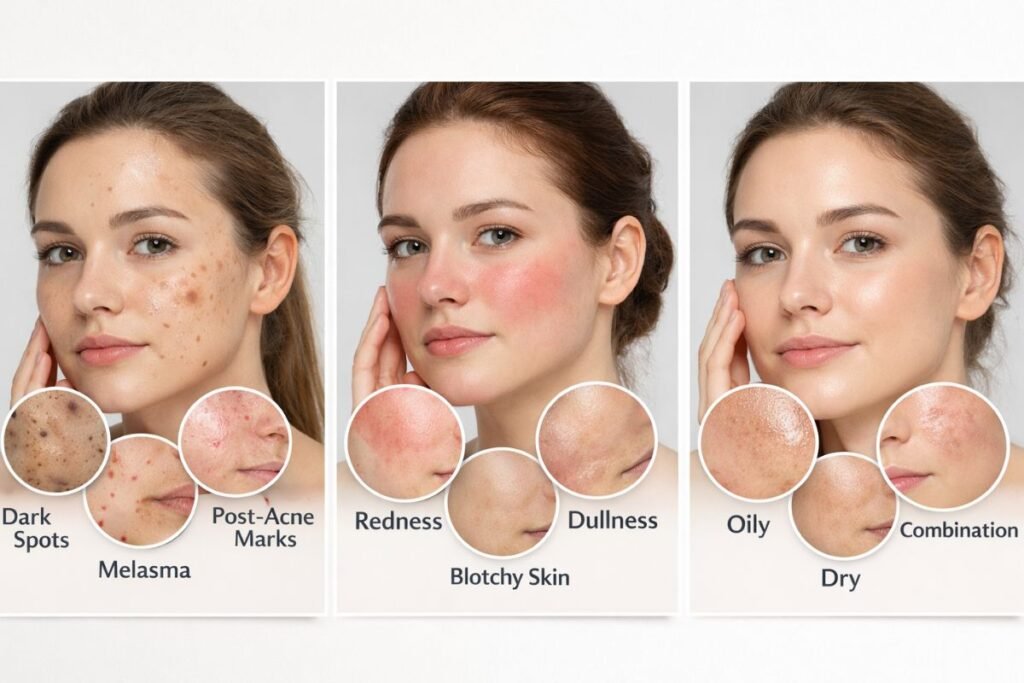
- Individuals with dark spots, post-acne marks, sunspots, or melasma.
- Those dealing with redness, dullness, or blotchy skin.
- People with oily, dry, or combination skin types can all benefit with appropriate adjustments.
- Anyone seeking long-term solutions to correct discoloration.
Who Should Avoid:
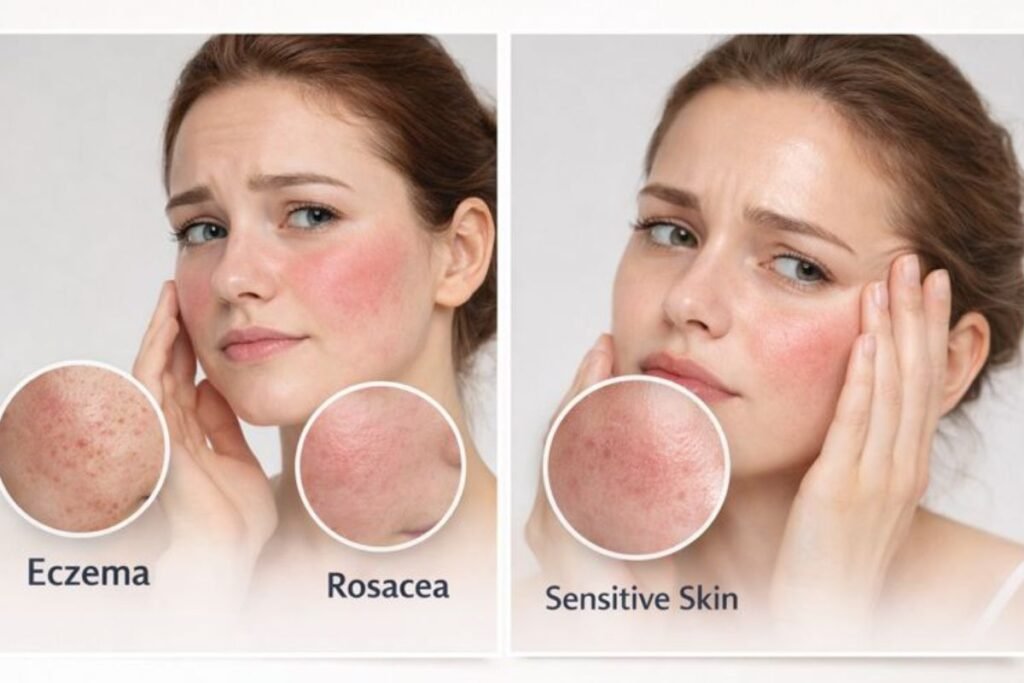
- People with active skin conditions such as eczema or rosacea should avoid harsh treatments without first consulting a dermatologist.
- Those with highly sensitive skin may need to tread carefully with strong acids or exfoliants.
How It Works (The Science):
Uneven skin tone is primarily caused by an overproduction or uneven distribution of melanin, the pigment responsible for skin color. Other factors like inflammation, sun exposure, and hormone fluctuations also contribute. Treatments for uneven skin tone often work by addressing this imbalance in pigmentation.
Short-Term vs. Long-Term Effects:
- Short-term effects may include temporary brightening, smoother texture, or reduced redness. These are often seen with products like vitamin C or exfoliating acids.
- Long-term effects require consistent use of products that target melanin production and skin repair. Treatments like chemical peels, laser therapy, and certain ingredients like hydroquinone or retinoids can help in fading dark spots and improving overall skin tone over time.
How Often to Use & When:
For the best results, consistency is key. Below is a general plan for incorporating these treatments into your skincare routine:
- Cleansing: Twice a day (morning and night).
- Exfoliation: 2–3 times a week for gentle exfoliants; 1–2 times per week for stronger acids like glycolic acid.
- Topical Treatments (Vitamin C, Retinoids, etc.): Every morning (for vitamin C) and night (for retinoids or acids). Adjust based on skin tolerance.
- Masks and Treatments (Hydroquinone, Chemical Peels, etc.): As recommended by a dermatologist or based on product instructions—generally 1–2 times per week.
Best Treatments for Uneven Skin Tone
1. Daily Essentials (Foundation of Improvement)
Sun Protection
- Broad-spectrum SPF 30–50 daily, even on cloudy days.
- Why it matters: Sun exposure is the #1 driver of uneven tone and dark spots.
- Important: UV accelerates pigmentation and reverses progress.
2. Topical Actives That Balance Tone
Vitamin C (L-ascorbic acid)
- Action: Reduces dark spots and brightens dullness.
- Best used: In the morning under sunscreen.
- Recommendation: CeraVe Skin Renewing Vitamin C Serum
Niacinamide
- Action: Improves blotchiness and strengthens skin barrier.
- Great for: Sensitive skin.
- Recommendation: The Ordinary Retinol 0.2% in Squalane
Retinoids (Retinol / Tretinoin)
- Action: Speeds cell turnover → fades pigmentation and smooths texture.
- Usage: At night; may cause irritation initially.
- Recommendation: La Roche-Posay Mela-D Pigment Control Serum
Azelaic Acid
- Action: Ideal for post-acne dark marks and mild pigmentation.
- Great for: Sensitive skin.
Alpha Hydroxy Acids (AHAs)
- Action: Glycolic or lactic acid exfoliate dead cells → reveals brighter skin.
- Usage: 2–3x/week depending on tolerance.
- Recommendation: Neutrogena Hydro Boost Exfoliating Cleanser
3. Targeted Brightening Agents
| Ingredient | Best for |
|---|---|
| Hydroquinone | Strongest pigment reducer (often prescription) |
| Kojic Acid | Mild brightening, good for melasma/sun spots |
| Tranexamic Acid | Effective for stubborn melasma |
| Arbutin | Gentler alternative to hydroquinone |
Note: Some of these are prescription-only; discuss with a dermatologist.
4. Professional Procedures (For Faster & Deeper Results)
Chemical Peels
- Action: Removes pigmented top layers and stimulates skin renewal.
- Types: Salicylic, glycolic, TCA peels.
Microdermabrasion
- Action: Mechanical exfoliation for uneven texture and mild pigmentation.
Laser & Light Therapies
- IPL (Intense Pulsed Light): Targets sunspots and redness.
- Fractional Laser: Deeper pigment and texture improvement.
- Q-switch / Nd:YAG: Effective for stubborn dark spots.
Microneedling
- Action: Stimulates collagen, helps with texture and dark marks.
Professional Tip:
Always pair procedures with strict sun protection and calming serums; pigmentation can worsen if not protected.
5. Daily Habits That Help
- Avoid peak sun hours (10 am–4 pm).
- Wear a hat or sunglasses outdoors.
- Use antioxidants (vitamin E, green tea) for extra defense.
- Be patient: Visible improvement often takes 8–12 weeks.
Targeting Top Concerns:
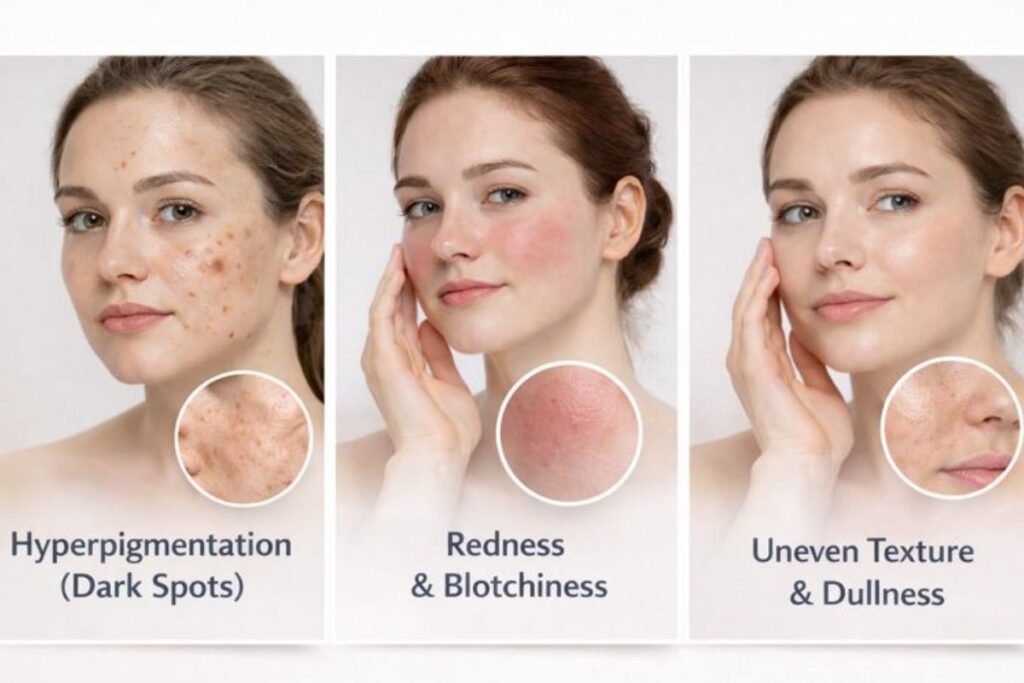
- Hyperpigmentation (Dark Spots)
- How to Treat: Look for products containing hydroquinone, vitamin C, or retinoids. Professional treatments like chemical peels or laser therapy may also be effective.
- Why It Works: Hydroquinone helps reduce melanin production, while retinoids encourage faster skin turnover, revealing fresher skin.
- Redness & Blotchiness
- How to Treat: Niacinamide and green tea extract help calm inflammation and reduce redness. Use gentle, non-irritating products if you have rosacea.
- Why It Works: Niacinamide strengthens the skin’s barrier and reduces irritation, while green tea provides antioxidant support.
- Uneven Texture & Dullness
- How to Treat: Exfoliation with AHAs (like glycolic acid) or BHAs (like salicylic acid) can improve texture and radiance. Use a brightening serum with vitamin C for extra glow.
- Why It Works: AHAs and BHAs help remove dead skin cells and allow newer, brighter skin to surface.
Safety Rules & Warning Signs:
- When to Stop
- If you experience severe irritation, redness, or peeling, reduce the frequency of treatment.
- Discontinue use if your skin becomes excessively dry or inflamed.
- If you notice broken capillaries or worsening of redness, stop using exfoliants or acids immediately.
- How to Mitigate Side Effects
- Always use sunscreen when using products that increase skin sensitivity, like retinoids or acids.
- Avoid mixing certain active ingredients. For example, don’t use retinol and vitamin C in the same routine as they can be too harsh together.
- If you have rosacea or eczema, always patch-test products before full application.
Realistic Results Timeline:
- Week 1-2: Initial improvements may include smoother texture, more hydration, and a subtle glow. You may notice a slight reduction in redness or irritation.
- Month 1: Dark spots may begin to fade, and skin tone might start to look more even. Expect increased radiance and minor improvements in texture.
- Month 3: Significant fading of dark spots, smoother texture, and a more uniform skin tone. However, for long-lasting effects, maintenance with products like retinoids and sunscreen is crucial.
Common Mistakes & How to Fix Them:
- Mistake: Using harsh exfoliants daily.
- Fix It: Exfoliate 2–3 times a week, not daily. Over-exfoliation can cause irritation and worsen pigmentation.
- Mistake: Skipping sunscreen while using brightening treatments.
- Fix It: Always apply sunscreen (SPF 30 or higher) during the day to protect against further damage.
- Mistake: Combining too many active ingredients.
- Fix It: Limit active ingredients like retinoids, acids, and vitamin C to avoid irritation. Start with one active at a time and gradually add more.
- Mistake: Expecting instant results.
- Fix It: Be patient. Even the best treatments take time, and results may vary depending on the severity of uneven skin tone.
FAQs:
1. How can I even out my skin tone at home?
Using a combination of vitamin C, niacinamide, and gentle exfoliation with AHAs/BHAs can help brighten and even out your skin tone over time. Don’t forget to wear sunscreen daily.
2. Can a dermatologist help with uneven skin tone?
Yes, dermatologists can recommend stronger treatments like chemical peels, laser therapy, or prescription-strength creams like hydroquinone to target more stubborn pigmentation.
3. How long does it take to see results for dark spots?
It can take 4–6 weeks to notice significant improvement, but consistent treatment is essential. For long-term results, you may need to use these treatments for a few months.
4. Are there any side effects from treatments for uneven skin tone?
Potential side effects include dryness, irritation, or redness, particularly when using strong acids or retinoids. Always patch-test new products and discontinue use if irritation occurs.