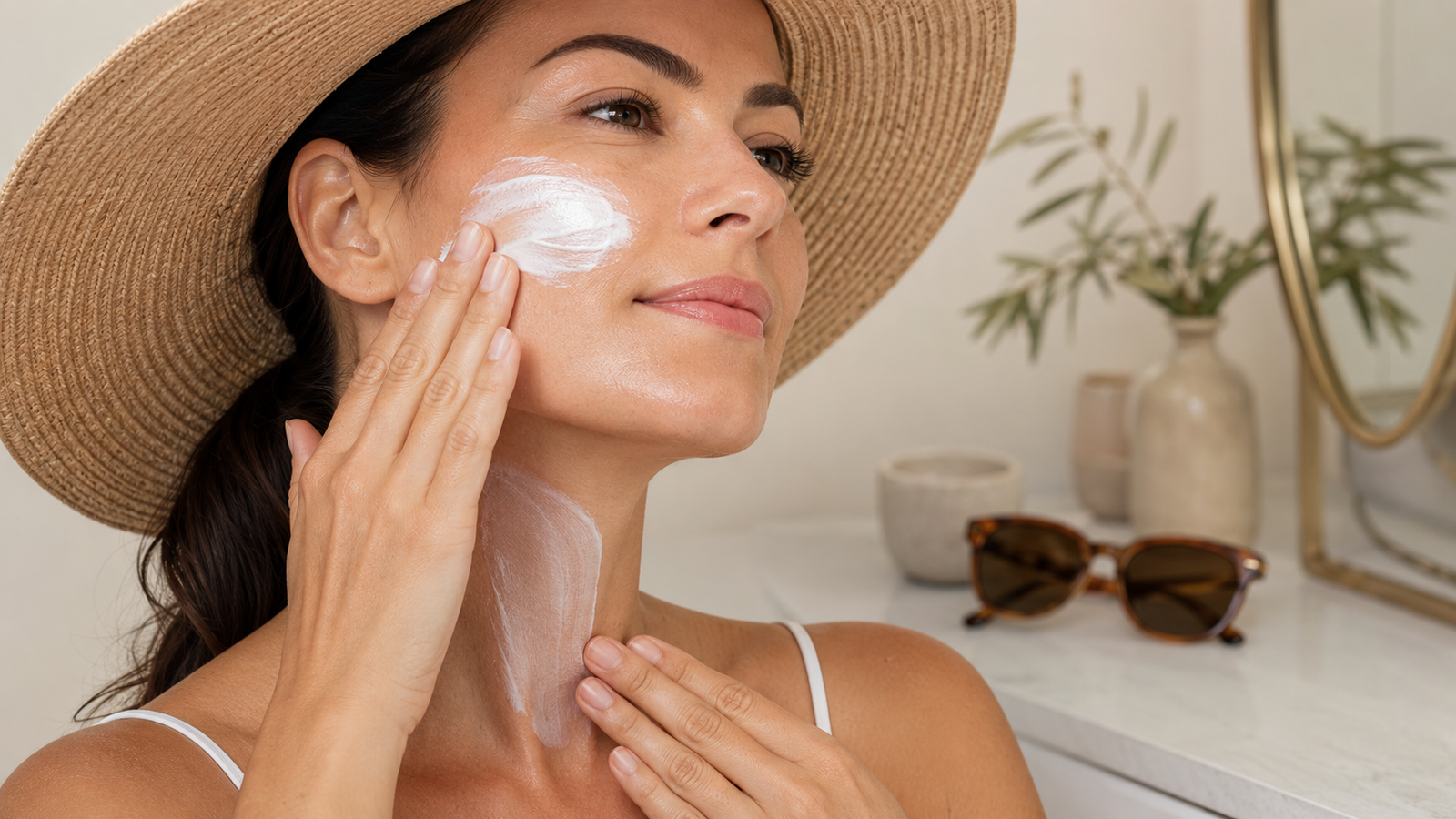
The first places I notice uneven sun protection aren’t always the obvious ones. They’re the faint patch near the hairline, the darker mark beside one eye, and the neck that no longer matches the face. These changes can build even when someone swears they wear sunscreen every morning.
These 10 SPF mistakes are aging your skin faster because sunscreen habits often look better on paper than they work on skin. A rushed layer, missed ears, or one morning application can leave repeated gaps in protection without causing a dramatic burn.
Broad-spectrum sunscreen helps protect against UVA and UVB rays. UVA is strongly linked with visible skin aging and can pass through window glass, while UVB is a major cause of sunburn. Daily protection matters, but correct application is what makes the label meaningful.
Why These 10 SPF Mistakes Are Aging Your Skin Faster
Sunscreen isn’t a force field. It works as a fairly even film across the skin, and that film can be too thin, incomplete, rubbed away, or broken down by water and sweat. These 10 SPF mistakes are aging your skin faster by allowing small doses of UV exposure to repeat over time.
The goal isn’t to fear daylight or obsess over perfect coverage indoors. It’s to fix the habits that cause the biggest real-world protection gaps.
| SPF Mistake | The Better Habit |
|---|---|
| Choosing SPF without checking the label | Look for broad-spectrum SPF 30 or higher |
| Applying a tiny amount | Use enough to create an even, complete layer |
| Stopping at the jawline | Cover the ears, neck, hairline, and upper chest |
| Trusting one morning application | Reapply during meaningful outdoor exposure |
| Relying on makeup SPF | Use a dedicated sunscreen underneath |
| Mixing sunscreen with skincare | Apply it as its own separate layer |
| Ignoring cloudy or driving days | Protect skin based on UV exposure, not temperature |
| Using mist as the main layer | Treat sprays and powders as support products |
| Keeping an old bottle in the car | Replace expired or heat-damaged sunscreen |
| Expecting SPF to do everything | Add shade, hats, sunglasses, and protective clothing |
1. Picking a High SPF That Isn’t Broad Spectrum
A high number doesn’t automatically mean complete protection. SPF mainly describes protection against UVB, so check for the words “broad spectrum” on the label. That tells you the formula has also met UVA protection requirements. For daily use, choose broad-spectrum SPF 30 or higher in a texture you can apply generously.
2. Applying Sunscreen Like a Lightweight Serum
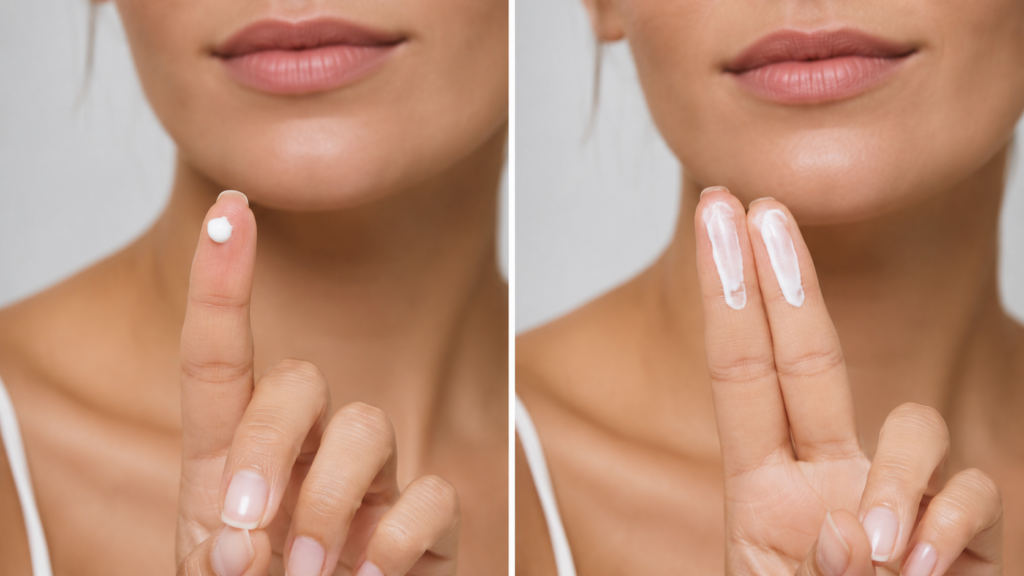
A few tiny drops may spread, but spreading isn’t the same as covering. Sunscreen testing uses a controlled amount, and thin application reduces the protection you actually receive. A practical guide is approximately a nickel-sized amount for the face, with more needed for the ears and neck. Applying two thinner passes often gives better coverage.
Pro Tip: Dot the first layer across your forehead, cheeks, nose, chin, ears, and neck. Let it settle briefly, then add a second light pass where coverage looks uneven.
3. Ending Your Application at the Jawline
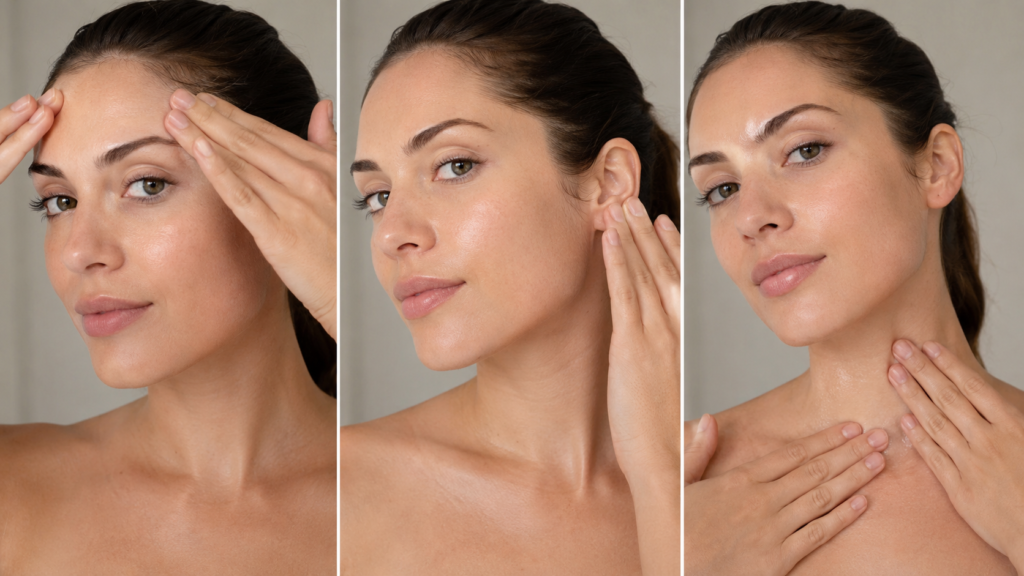
The ears, neck, upper chest, eyelids, temples, and hairline are easy to forget because they sit outside the usual face routine. I used to miss the narrow strip directly in front of my ears until I noticed how quickly makeup and sunscreen disappeared there. Apply before dressing when possible so collars don’t decide where protection stops.
4. Assuming One Morning Layer Lasts Until Dinner
Sunscreen can shift with sweat, facial oil, swimming, towel drying, and rubbing. When you’re outdoors, reapply about every two hours and immediately after swimming or sweating. Water-resistant means the tested SPF lasts for either 40 or 80 minutes in water—not that the formula is waterproof or suitable for all-day wear.
Watch Out: SPF 50 doesn’t last longer than SPF 30. A higher number changes the tested protection level, not the need to replace a disturbed sunscreen layer.
5. Skipping SPF When It’s Cloudy, Cool, or Mostly Indoors
Heat isn’t a UV meter. UV exposure can still occur on overcast days, and UVA can pass through windows. You don’t need to reapply constantly in a dark room, but sunscreen makes sense when you’re driving, working beside a bright window, commuting, or moving in and out throughout the day.
6. Counting Foundation or Tinted Moisturizer as Your Full Dose
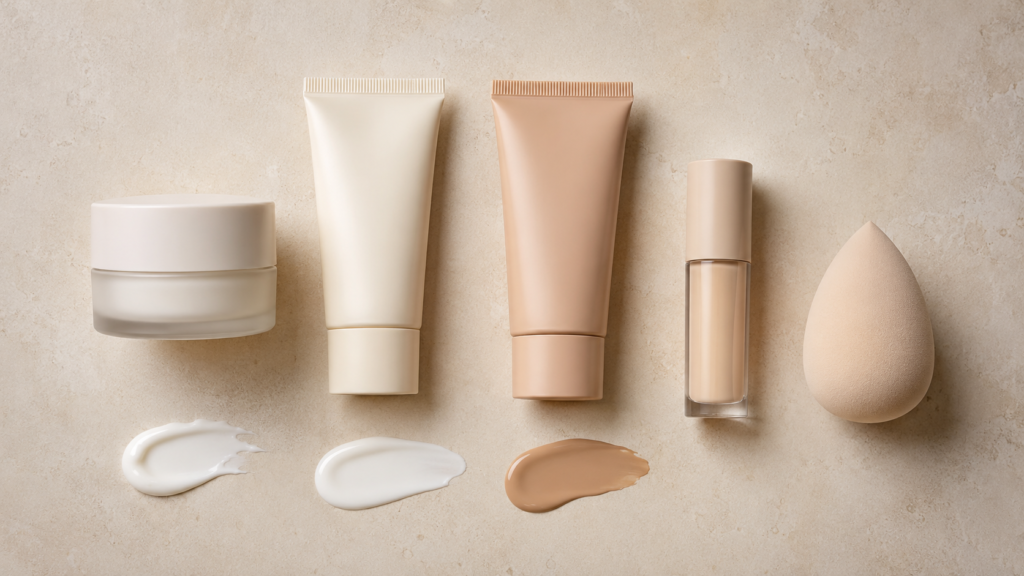
Makeup with SPF can add useful coverage, but most people don’t apply enough foundation to match the amount used in sunscreen testing. Use a dedicated sunscreen underneath, let it form an even layer, and then apply makeup. An SPF tint or powder can support that base, but it shouldn’t be your only plan for extended exposure.
7. Mixing Sunscreen Into Moisturizer or Foundation
Mixing may feel efficient, but it changes the sunscreen’s tested formula and makes even distribution harder to judge. Apply moisturizer first if you need it, then sunscreen as a separate layer. I once blamed a formula for pilling when the real problem was three slippery products underneath; using fewer layers fixed it immediately.
8. Treating a Mist, Stick, or Powder as Effortless Full Coverage
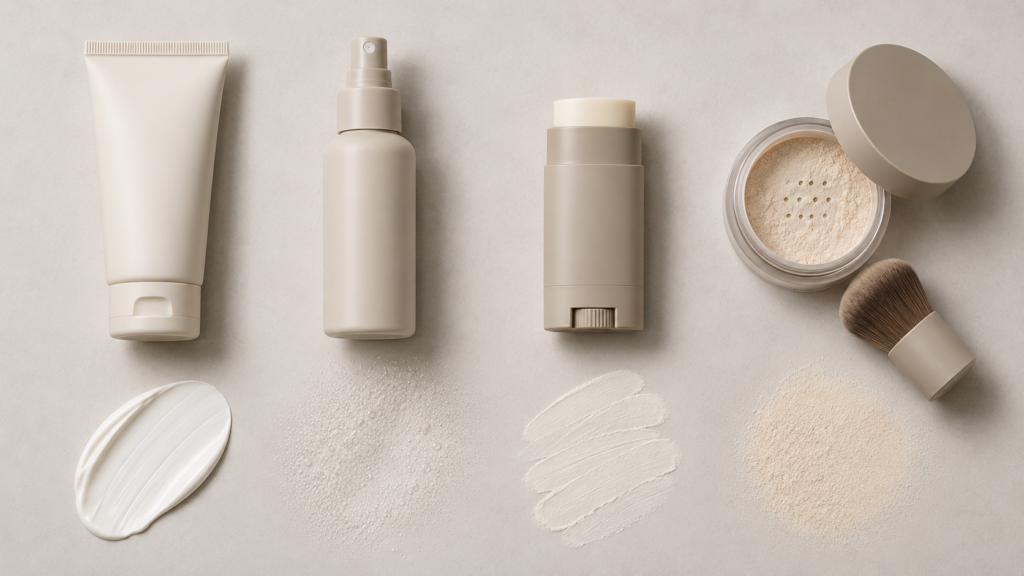
Alternative formats are convenient, especially over makeup, but convenience can hide under-application. A quick cloud of mist or one swipe of a stick rarely creates a visibly even layer. Use lotion or fluid sunscreen as your morning base, then use sticks, sprays, or powders for careful touch-ups when the perfect method isn’t practical.
Good to Know: With spray sunscreen, apply enough to make exposed skin visibly wet, then rub it in for even coverage. Avoid spraying directly toward your face; spray into your hands first.
9. Using an Expired Bottle—or Storing It in a Hot Car
Expired sunscreen may no longer provide dependable protection. Heat can also speed up formula breakdown, which is why a glove compartment is a poor long-term storage spot. Discard expired products, bottles of unknown age, and formulas that have changed in color, texture, or consistency. Sunscreen without an expiration date shouldn’t be kept indefinitely.
10. Expecting Sunscreen to Carry the Entire Sun-Protection Routine
No sunscreen blocks every ray, and even a well-applied layer can rub off. During long outdoor days, add a wide-brimmed hat, sunglasses, shade, and tightly woven or UPF-rated clothing. These tools protect areas that are hard to keep evenly coated and reduce how much work your sunscreen has to do.
How to Fix These 10 SPF Mistakes Without Overthinking Your Morning
Start with a broad-spectrum SPF 30 or higher that feels comfortable enough to use in a complete layer. Water resistance is useful when you’ll sweat, swim, or spend time outdoors. Fragrance-free creams often suit dry or reactive skin, while lightweight fluids and gels may sit better on oily skin.
Apply sunscreen as the final skincare step, after moisturizer and before makeup. Give it a few minutes to settle rather than immediately rubbing foundation over it. If it pills, reduce the number of slippery layers underneath and press makeup on instead of repeatedly dragging a brush across the skin.
Keep reapplication realistic. A normal office day away from windows isn’t the same as lunch outdoors, a long drive, or an afternoon at the beach. Reapply based on exposure, water, sweat, and rubbing—not because a timer must control your entire day.
Sunscreen can help reduce future UV damage, but it won’t erase deep wrinkles or established pigmentation by itself. Improvements are mostly preventive: fewer new spots, less worsening of uneven tone, and better support for the results of the rest of your skincare routine.
What to Look for on the Sunscreen Label
Choose a product with:
- Broad-spectrum protection
- SPF 30 or higher
- Water resistance for outdoor, sweaty, or swimming days
- A texture you can apply generously
- Fragrance-free labeling if fragrance irritates your skin
- Non-comedogenic labeling if you’re acne-prone
- A tint with iron oxides if visible light tends to worsen stubborn dark spots
Tinted sunscreen containing iron oxide may provide extra visible-light protection, which can be useful for people prone to hyperpigmentation. The tint still needs to suit your skin tone well enough that you’ll use the correct amount.