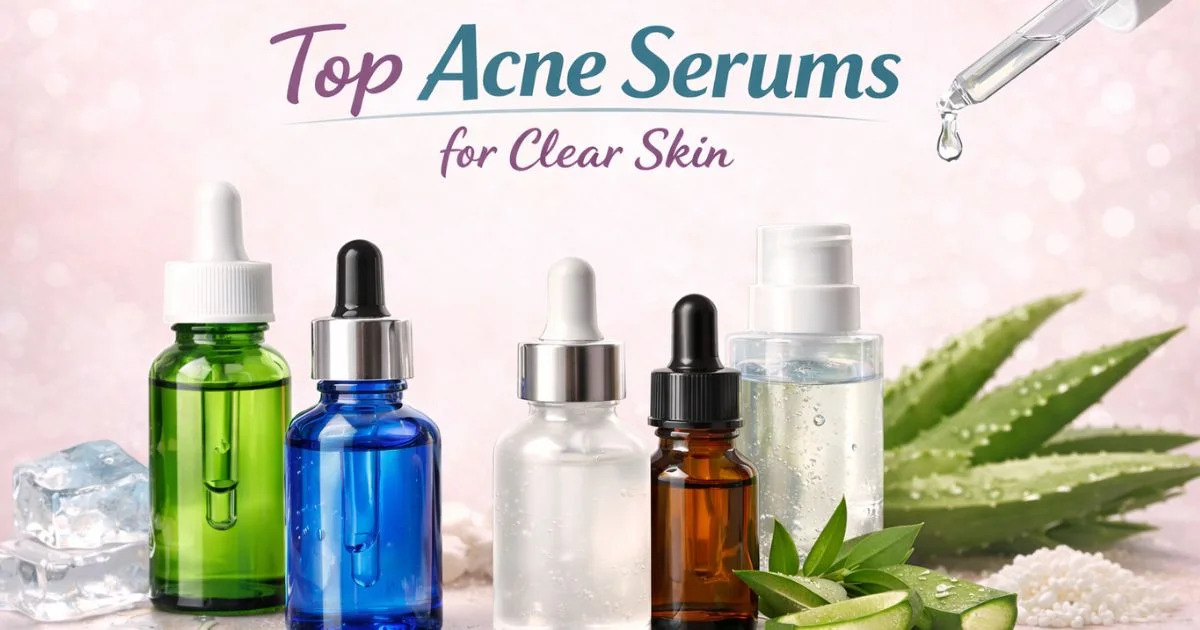
Acne is a common yet frustrating skin concern that affects individuals of all ages. Whether you’re dealing with occasional breakouts or persistent acne, finding the right treatment can significantly improve your skin’s appearance. Among the various skincare products available, top acne serums for clear skin stand out as effective solutions for managing and treating acne. These serums help control oil production, reduce inflammation, and accelerate the healing process of pimples. With numerous options on the market, choosing the right acne serum can be overwhelming, but it is essential to select one that suits your skin type and addresses your specific concerns.
Who May Benefit & Who Should Avoid:
Who May Benefit:
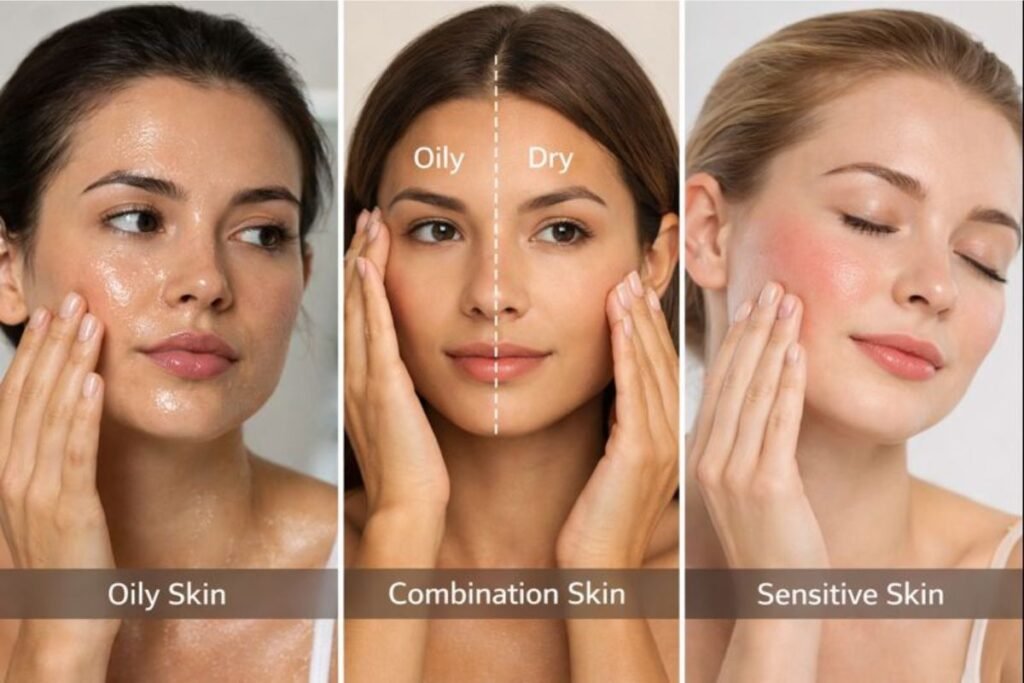
- Oily Skin: Acne serums are often designed to control excess oil production, which is a common cause of acne.
- Combination Skin: If you have both dry and oily areas, acne serums can target oily zones while being gentle on dry spots.
- Sensitive Skin: Certain acne serums are formulated to be gentle enough for sensitive skin types, helping to reduce inflammation without irritation.
Who Should Avoid:
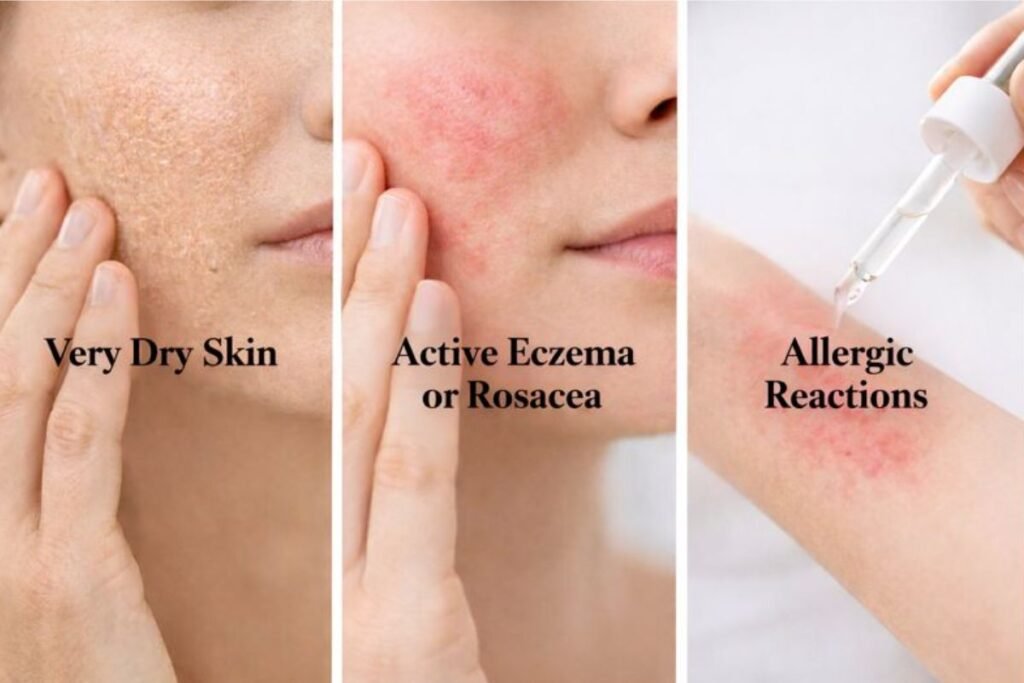
- Very Dry Skin: Some acne serums may be drying, making them unsuitable for those with very dry skin.
- Active Eczema or Rosacea: If you have conditions like eczema or rosacea, some acne serums may irritate your skin and cause flare-ups.
- Allergic Reactions: Always do a patch test before using any serum, as certain ingredients like salicylic acid or benzoyl peroxide may cause allergic reactions for some individuals.
How It Works (The Science):
Acne serums work by targeting the root causes of acne. These include excessive oil production, clogged pores, and bacteria. Here’s a breakdown of how they work:
- Short-term Effects: Some ingredients, such as salicylic acid or benzoyl peroxide, work quickly to treat acne by penetrating pores, exfoliating dead skin cells, and reducing inflammation. Expect to see a reduction in the size of pimples within a few days to a week.
- Long-term Effects: Active ingredients like retinol and niacinamide can help improve skin texture, reduce scarring, and prevent future breakouts. Over time, these serums can help balance oil production and promote healthier skin.
A great metaphor to understand acne serums is thinking of them like “spot treatments” for your skin. They’re like applying a little extra attention where your skin needs it most, but over time, they work to improve the overall health of your skin.
How to Use & Fit It Into Your Routine:
Here’s how to integrate acne serums into your routine:
- Frequency: Start with 2-3 times per week to see how your skin reacts. Once your skin builds tolerance, you can increase the frequency to every other day or daily if needed.
- Routine Placement: Acne serums should be applied after cleansing and toning, but before moisturizing. This ensures the active ingredients are absorbed properly without any interference from heavier creams.
Best Acne Serums That Clear Breakouts Fast
Acne is a common skin concern, but with the right products, you can achieve a clearer complexion. Acne serums are potent formulas designed to target breakouts, control oil, and improve skin texture. Here are the best acne serums for clearer skin:
1. The Ordinary Niacinamide 10% + Zinc 1% Serum
- Why It Works: Reduces oil production and helps with blemishes and redness.
- Best For: Oily, blemish-prone skin
- Price: Affordable
2. Salicylic Acid Serums
- Why It Works: Penetrates pores to clear dead skin cells and excess oil, preventing acne.
- Best For: Oily skin and clogged pores
- Price: Mid to high-end
3. Caudalie Vinopure Acne Serum
- Why It Works: Combines salicylic acid with soothing ingredients to calm inflammation.
- Best For: Sensitive, acne-prone skin
- Price: Higher-end
4. Retinol/Retinoid Serums (e.g., Adapalene‑based)
- Why It Works: Speeds up cell turnover, preventing clogged pores and reducing acne scars.
- Best For: Acne scars and moderate breakouts
- Price: Varies by brand
5. Serums with Azelaic Acid
- Why It Works: Reduces acne, fades hyperpigmentation, and soothes redness.
- Best For: Sensitive skin, acne marks
- Price: Mid to high-end
6. Witch Hazel + Salicylic Acid Acne Clearing Serums
Price: Affordable to mid-range
Why It Works: Shrinks pores and reduces inflammation with a combination of witch hazel and salicylic acid.
Best For: Mild acne, oily skin
Targeting Top Concerns:
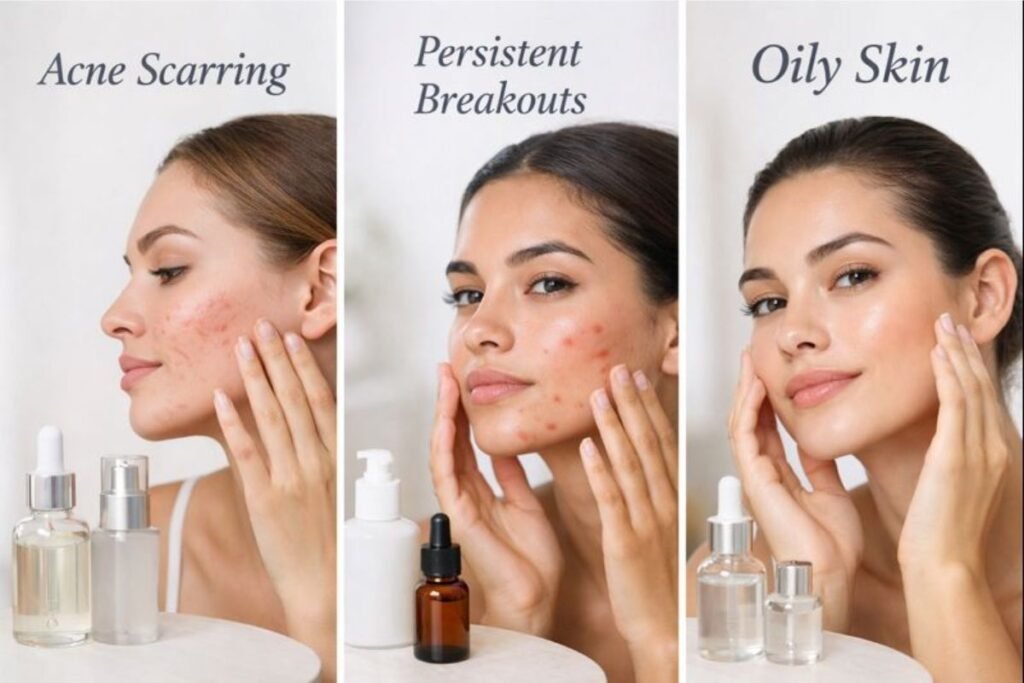
1. Acne Scarring
For acne scars, look for serums containing niacinamide, vitamin C, or retinol. These ingredients help fade dark spots and improve skin texture over time.
2. Persistent Breakouts
If you struggle with constant breakouts, opt for serums with benzoyl peroxide or salicylic acid. These ingredients actively target the bacteria in your pores, reducing inflammation and controlling oil production.
3. Oily Skin
For oily skin, serums with niacinamide or salicylic acid can help balance oil production without over-drying the skin.
Safety Rules & Warning Signs:
When to Stop Using a Serum:
- Severe Irritation: If you notice excessive dryness, redness, or burning after using a serum, reduce usage or discontinue.
- Allergic Reaction: It’s essential to perform a patch test before using any new product. If you experience swelling, itching, or rash, stop using the product immediately.
- Rosacea Flare: If you have rosacea, some active ingredients like benzoyl peroxide and salicylic acid can aggravate the condition.
How to Mitigate Common Side Effects:
- Dryness: Apply a hydrating moisturizer after the serum to counteract any dryness.
- Peeling: If you experience peeling due to ingredients like retinol, reduce usage frequency and increase moisturization.
Realistic Results Timeline:
- Week 1-2: You may start to see reduced inflammation and a slight improvement in breakouts. This is the short-term action of ingredients like salicylic acid or benzoyl peroxide.
- Month 1: By now, acne breakouts should be less frequent, and your skin will feel smoother. Acne scars may begin to fade, especially with the use of niacinamide or retinol.
- Month 3: Continued use of acne serums should result in clearer skin, with fewer breakouts and improved skin texture. Scars should show visible signs of improvement.
Common Mistakes & How to Fix Them:
- Overusing Active Ingredients:
Fix it: Start slow and gradually increase frequency. Use products with gentler active ingredients like niacinamide to avoid irritation. - Not Moisturizing Enough:
Fix it: Always follow up with a hydrating moisturizer to maintain your skin’s moisture barrier. - Using Too Many Products at Once:
Fix it: Stick to a simple routine with a cleanser, serum, and moisturizer. Overloading your skin can lead to irritation. - Skipping Sunscreen:
Fix it: Always apply sunscreen during the day, especially when using products like retinol or glycolic acid, as they increase your skin’s sensitivity to the sun.
FAQs:
1. How long does it take to see results from acne serums?
It typically takes 2-3 weeks to start noticing improvements in your acne. However, complete results, including fading scars, may take up to 3 months.
2. Can acne serums be used on sensitive skin?
Yes, but it’s crucial to choose serums formulated for sensitive skin. Look for products with soothing ingredients like niacinamide or hyaluronic acid.
3. Should I use an acne serum if I have dry skin?
If you have dry skin, use a serum with hydrating ingredients like hyaluronic acid, and avoid serums with strong exfoliating ingredients like benzoyl peroxide.
4. Can I use acne serums with other treatments?
Yes, but be cautious. Don’t combine too many potent active ingredients (like benzoyl peroxide and salicylic acid). Always start with a simple routine and add products slowly.