

When it comes to choosing between shower oil and body wash, the decision can often feel overwhelming, especially when your skin’s health is at stake. Both options promise a clean and refreshed body, but they differ in their ingredients, texture, and how they treat your skin. If you have dry, sensitive skin or if you’re looking for a more hydrating shower experience, understanding these differences can help you make an informed choice. Let’s dive into the details of shower oils and body washes, so you can pick the best option for your unique skin needs.
Who May Benefit from Shower Oil:
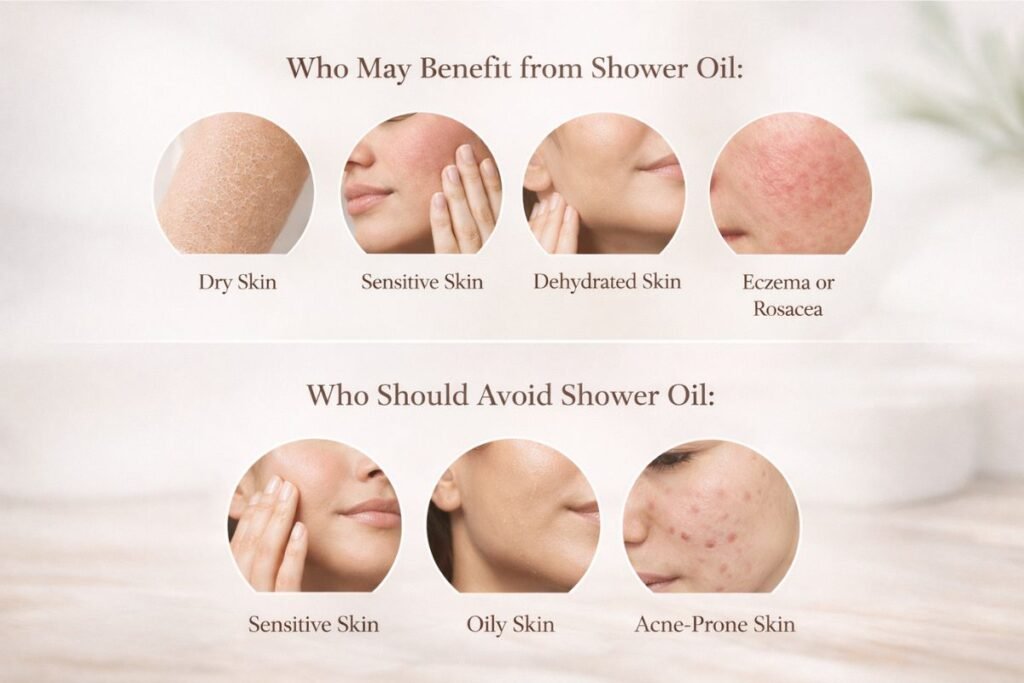
- Dry Skin: Hydrates and replenishes moisture without stripping natural oils.
- Sensitive Skin: Gentle, calming, and less likely to cause irritation.
- Dehydrated Skin: Locks in moisture, preventing dryness and tightness.
- Eczema or Rosacea: Soothes and reduces irritation, providing hydration.
Who Should Avoid Shower Oil:
Frequent Use for Sensitive Skin: Overuse may lead to irritation or discomfort.
Oily Skin: May feel too heavy, contributing to excess oil and greasy residue.
Acne-Prone Skin: Can clog pores and worsen breakouts.
Who May Benefit from Body Wash:
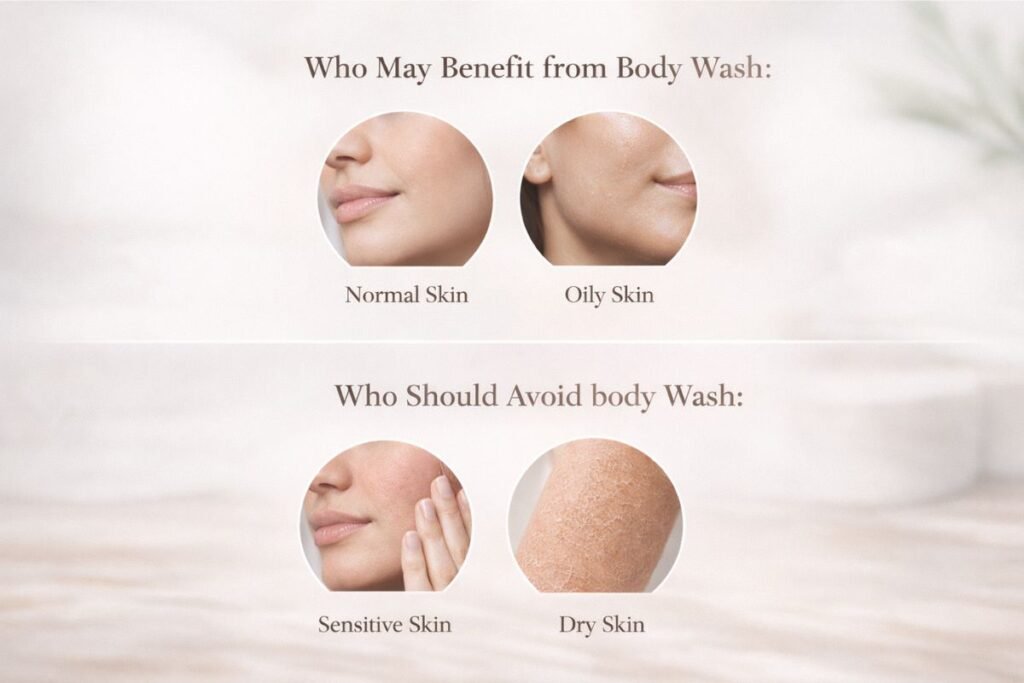
- Oily Skin: Removes excess oils and impurities, keeping skin clean without clogging pores.
- Normal Skin: Provides a balanced cleanse without stripping moisture.
Who Should Avoid Body Wash:
Dry Skin: May strip moisture, leading to tightness or irritation.
Sensitive Skin: Can irritate if it contains fragrances or harsh chemicals.
How It Works
| Aspect | Shower Oils | Body Washes |
|---|---|---|
| Mechanism | Forms an emulsion when combined with water, creating a barrier that locks in moisture. | Contains surfactants (cleansing agents) and water that break down and remove dirt, sweat, and oils. |
| Short-Term Effect | Softer, more moisturized skin immediately after use. | Clean, refreshed skin. |
| Long-Term Effect | Improves skin hydration, reduces dryness and flakiness with consistent use. | Depends on the formula—gentle cleansers can support skin health, while harsh formulas may cause dryness and irritation. |
| Moisture Retention | Helps lock in moisture, protecting the skin’s natural lipid layer, leaving a silky feel. | Can strip the skin of essential oils, especially if it contains harsh detergents or fragrances. |
| Ideal For | Dry, dehydrated, and sensitive skin. | Normal to oily skin; those with sensitive skin may experience irritation from fragrances or harsh ingredients. |
| Skin Protection | Protects the skin’s natural lipid layer and provides hydration. | Provides a clean feel but may be less moisturizing and potentially drying with frequent use of harsh formulas. |
| Typical Ingredients | Oils (e.g., sunflower, jojoba, almond) combined with water. | Surfactants, water, fragrances, and sometimes sulfates. |
| Impact on Skin Condition | Reduces the appearance of dryness and flakiness, providing long-term hydration. | Can lead to dryness and irritation if the formula is aggressive; gentler cleansers are better for sensitive skin. |
Frequency & Routine Tips:
For both shower oils and body washes, it’s important not to overdo it. Over-cleansing your skin can strip away its natural oils, leading to irritation and dehydration.
- Shower Oil: Use 2-3 times per week or as tolerated, especially if your skin is prone to dryness or sensitivity. If you have oily skin, consider using it just once or twice a week to avoid excess oil buildup.
- Body Wash: You can safely use a body wash every day, but if you have sensitive skin, 3-4 times a week may be sufficient. Opt for a gentle, hydrating body wash to minimize skin irritation.
Products & Ingredients:
When choosing between shower oil and body wash, selecting products with skin-benefiting ingredients is key. Here are some affordable and reliable options:
Shower Oil:
- CeraVe Hydrating Shower Oil
CeraVe’s shower oil is ideal for dry skin. With nourishing ingredients like ceramides and essential oils, it helps restore the skin’s protective barrier while providing long-lasting hydration. - L’Occitane Almond Shower Oil
Known for its rich texture, this shower oil transforms into a creamy lather when it meets water, leaving the skin soft and moisturized. It’s perfect for those who want a luxurious, hydrating shower experience.
Body Wash:
- Neutrogena Rainbath Refreshing Shower and Bath Gel
A classic body wash, Rainbath contains a mix of natural oils that cleanse without stripping moisture, making it suitable for a variety of skin types. It’s great for everyday use. - La Roche-Posay Lipikar Wash AP+
A body wash designed for dry and sensitive skin, Lipikar Wash is gentle yet effective. It helps soothe irritation and restore hydration without leaving the skin feeling tight.
Targeting Top Concerns:
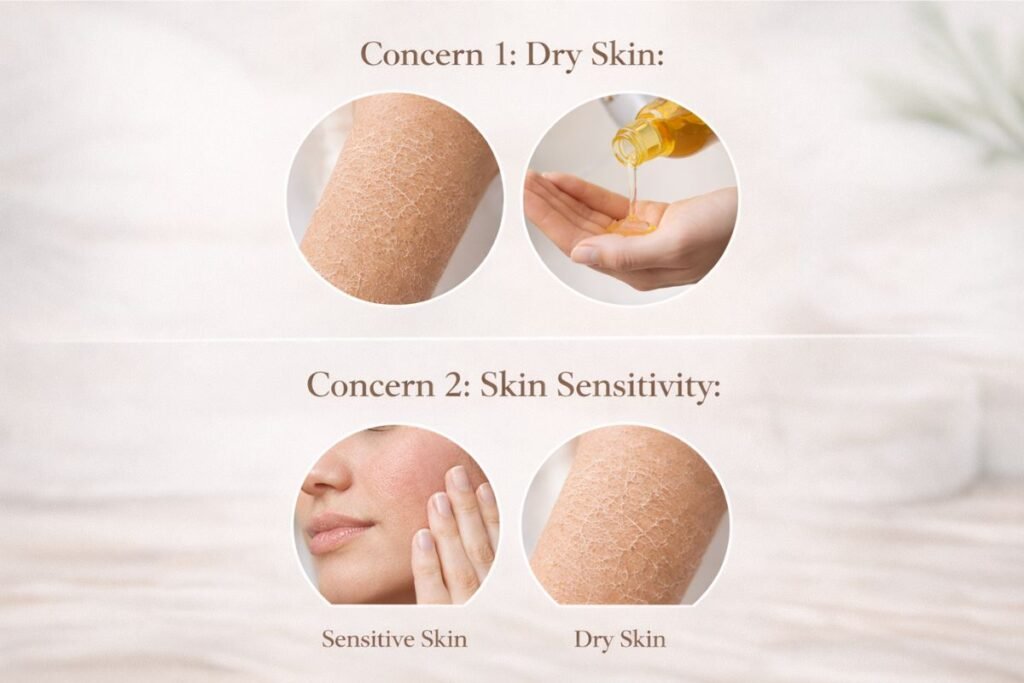
Concern 1: Dry Skin:
If you struggle with dry skin, shower oil may be a better choice for you, as it replenishes moisture while gently cleansing. Body washes can sometimes strip your skin’s natural oils, leading to further dryness.
Concern 2: Skin Sensitivity:
For those with sensitive skin or conditions like eczema or rosacea, shower oils provide a much-needed barrier against irritation. On the other hand, body washes with fragrances, sulfates, or harsh exfoliants may aggravate your skin condition.
Safety Rules & Warning Sign:
Although shower oils and body washes can enhance your shower routine, it’s important to know when to stop using them:
- When to Stop Shower Oil:
If you experience excessive greasiness, clogged pores, or irritation, reduce the frequency of use. It may be too heavy for your skin type. - When to Stop Body Wash:
If your skin feels dry, tight, or itchy after use, consider switching to a gentler body wash. Also, avoid body washes with harsh exfoliants or synthetic fragrances if you have eczema or sensitive skin.
General Safety Tip:
Always patch-test any new product before use to ensure there’s no allergic reaction or irritation.
Realistic Results Timeline:
Week 1-2:
You’ll likely notice immediate effects, especially with shower oils—softer and more hydrated skin after each use. Body washes might make your skin feel cleaner but could lead to some dryness depending on the formula.
Month 1:
Consistent use of shower oil may result in smoother, hydrated skin, while using a body wash may help clear up minor skin issues like body acne or excess oil. If you have dry skin, the benefits of shower oil will become more pronounced.
Month 3:
At this stage, your skin should have adapted to either shower oil or body wash, and you may start to notice a more significant improvement in skin texture and moisture retention.
Common Mistakes & How to Fix Them:
1. Overusing Shower Oil:
Fix It: Shower oil is potent, so use it sparingly. Apply only a small amount to damp skin and rinse off gently to avoid an overly greasy feeling.
2. Using Body Wash on Sensitive Skin:
Fix It: Choose a fragrance-free or dermatologist-approved body wash to avoid irritation.
3. Skipping Moisturization After Showering:
Fix It: Whether you’re using shower oil or body wash, always follow up with a good moisturizer to lock in hydration.
4. Not Matching Products to Skin Type:
Fix It: Understand your skin’s needs—if your skin is dry, choose a hydrating body wash or shower oil. If it’s oily, opt for a more balanced body wash.
FAQs:
1. Can I use shower oil every day?
It’s best to use shower oil 2-3 times per week, especially if you have dry skin. If you have oily skin, use it less frequently to avoid excess moisture.
2. Will body wash dry out my skin?
It depends on the formula. Choose a hydrating body wash to avoid drying out your skin, and use it less frequently if your skin becomes tight or irritated.
3. Can shower oil be used on the face?
Shower oils are generally not formulated for the face, as the oils might clog pores. Opt for a dedicated facial cleanser for your face.
4. Are there any risks associated with using body wash?
If you have sensitive skin or conditions like eczema, body washes with fragrances or harsh chemicals can cause irritation. Always opt for gentle formulas.