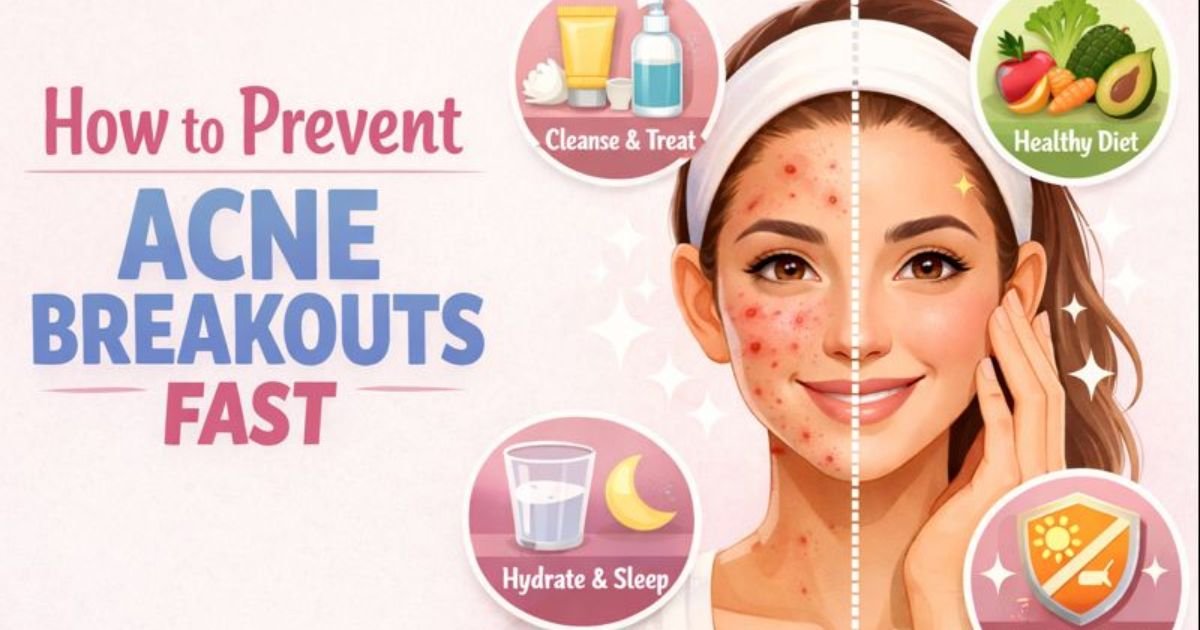
Acne breakouts can be frustrating, especially when you’re in a rush to clear your skin fast. How to prevent acne breakouts fast? Fortunately, with the right approach, you can manage and reduce acne quickly while also improving your skin’s overall health. The key to preventing acne breakouts fast lies in targeting the causes, reducing inflammation, and using the right products and techniques. This includes using acne treatments like benzoyl peroxide, salicylic acid, and maintaining a proper skincare routine. In this guide, we’ll cover effective, dermatologist-backed strategies to prevent breakouts, explain how they work, and give you a practical plan to follow for visible results.
Who May Benefit & Who Should Avoid:
Ideal for:
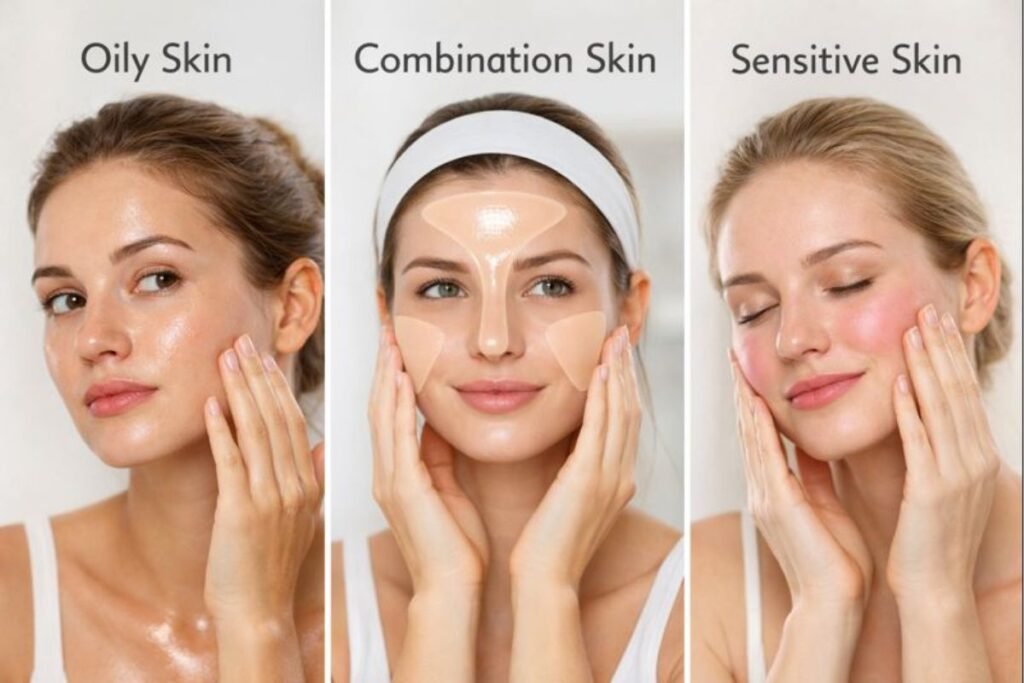
- Oily skin: Acne-prone individuals with excess sebum production benefit from oil-controlling ingredients.
- Combination skin: Helps balance oily zones while hydrating dry areas.
- Sensitive skin: Specific gentle ingredients can reduce irritation and redness.
Avoid if:
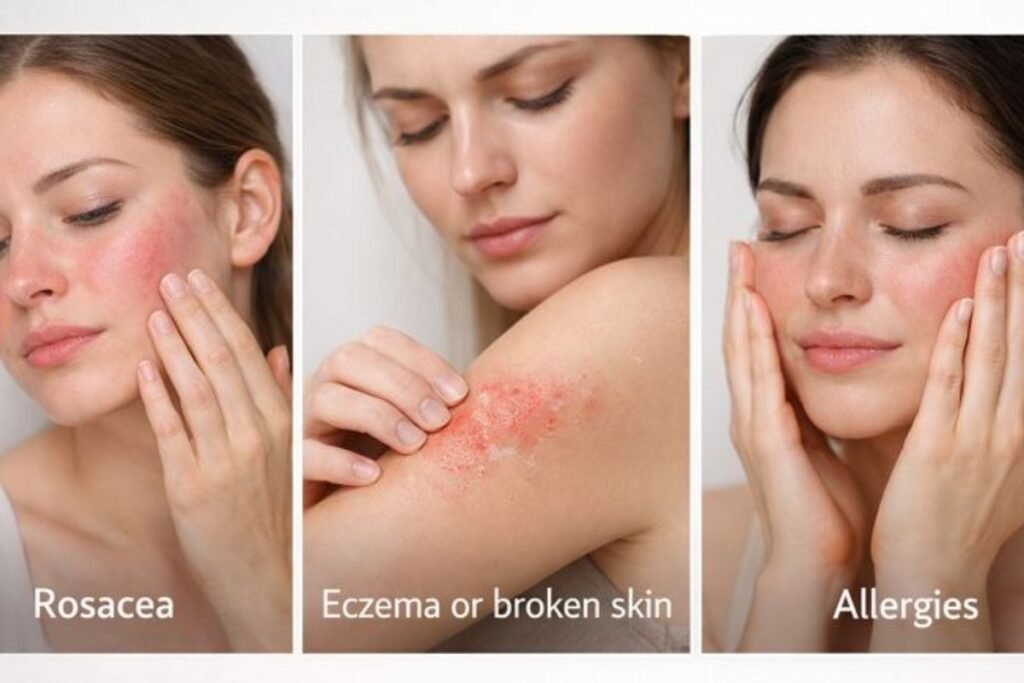
- Rosacea: you have rosacea as harsh acne treatments may trigger flare-ups.
- Eczema or broken skin: Certain acne products can irritate and worsen eczema symptoms.
- Allergies: Always patch-test products, especially if you have sensitivities to common skincare ingredients like salicylic acid or benzoyl peroxide.
How It Works (The Science):
Acne is caused by a combination of clogged pores, excess oil production, bacteria, and inflammation. When pores are clogged with dead skin cells and oil, bacteria thrive in these conditions, leading to the development of pimples. Preventing acne involves addressing these causes.
Short-Term vs. Long-Term Effects:
- Short-Term: Products like benzoyl peroxide or salicylic acid can help clear blocked pores quickly, reducing visible acne within a few days to a week. These ingredients dry out the acne spots and prevent new ones from forming.
- Long-Term: Regular use of these ingredients can help reduce future breakouts by maintaining clear pores, balancing oil production, and reducing skin inflammation.
Quick Acne Solutions for Clearer Skin”
A good analogy: Think of your skin as a clogged drain. Fast-acting acne treatments act like a plumber, clearing the blockage quickly. Long-term skincare keeps the drain clear and functioning smoothly.
1 .Shower Regularly
- Why: Cleanses sweat and oil buildup.
- How: Shower after sweating and use a body wash with salicylic acid or benzoyl peroxide.
2. Wear Loose, Breathable Clothing
- Why: Prevents sweat buildup and irritation.
- How: Choose cotton or moisture-wicking fabrics, especially for areas like the back and chest.
3. Exfoliate Regularly
- Why: Removes dead skin cells that clog pores.
- How: Use a body scrub or exfoliating gloves 2-3 times a week.
4. Use Acne Treatments
- Why: Targets acne directly.
- How: Apply benzoyl peroxide or salicylic acid body treatments after showering.
5. Keep Your Skin Dry
- Why: Reduces bacteria and oil buildup.
- How: Dry your skin thoroughly, especially in acne-prone areas.
6. Avoid Scented Products
- Why: Fragrances can irritate skin and cause acne.
- How: Opt for fragrance-free or hypoallergenic products.
7. Wash Bedding and Towels Frequently
- Why: Prevents bacteria transfer.
- How: Wash sheets and towels regularly, especially if you have acne.
8. Watch Your Diet
- Why: Certain foods can trigger acne.
- How: Reduce greasy foods, dairy, and sugar. Drink plenty of water.
9. Manage Stress
- Why: Stress increases hormones that cause acne.
- How: Practice stress-relieving activities like exercise or meditation.
10. Consult a Dermatologist
How: Seek professional treatments like prescription medications if acne persists.
Why: For persistent acne.
Best Times to Use in Your Routine:
Frequency:
- Cleansing: Morning and night.
- Toning/Exfoliating: 2-3x per week or as tolerated.
- Treatment: Apply spot treatments daily, or 2-3x per week for stronger products.
- Moisturizing: Daily, even for oily skin.
Routine Placement:
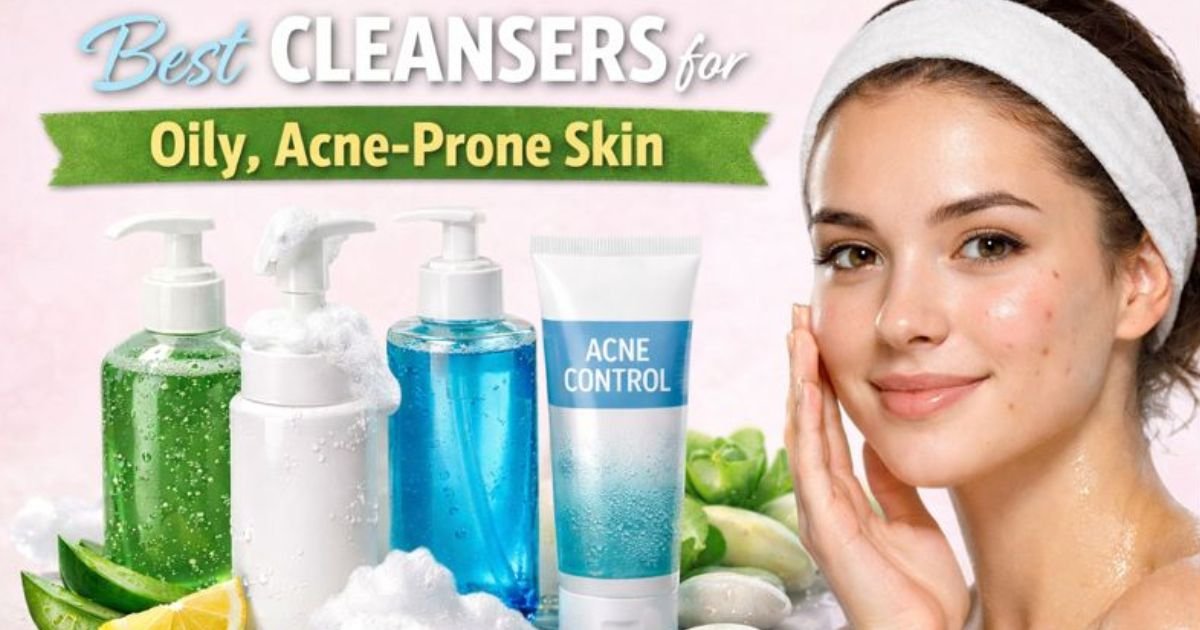
- Cleanser: Start with a gentle, non-comedogenic cleanser to remove dirt and excess oils.
- Toner (optional): Use a toner with soothing ingredients to balance the skin.
- Acne Treatment: Apply your acne medication or serum directly on the affected areas.
- Moisturizer: Finish with a lightweight, oil-free moisturizer.
- SPF: Sunscreen is essential to protect your skin from UV damage, which can worsen acne.
Products & Ingredients:
- CeraVe Foaming Cleanser: This gentle, non-irritating formula helps cleanse without stripping the skin, ideal for sensitive, acne-prone skin.
- The Ordinary Salicylic Acid 2% Solution: A proven treatment for clearing pores and reducing acne, salicylic acid penetrates deep into pores to exfoliate and clear dead skin cells.
- Neutrogena On-the-Spot Acne Treatment: Contains 2.5% benzoyl peroxide, which kills acne-causing bacteria effectively while minimizing irritation.
- La Roche-Posay Effaclar Duo: A well-rounded acne treatment that includes benzoyl peroxide and lipo-hydroxy acid to fight acne and reduce inflammation.
Targeting Top Concerns:
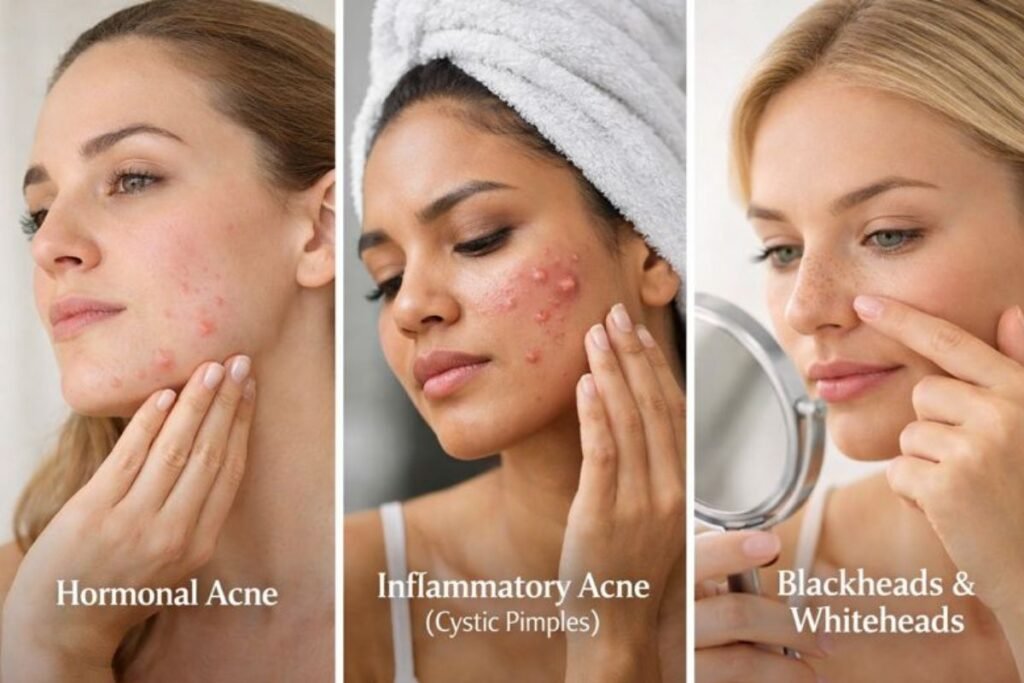
- Hormonal Acne: Use products containing benzoyl peroxide or retinoids to fight acne caused by fluctuating hormones, especially around the chin and jawline.
- Inflammatory Acne (Cystic Pimples): Opt for anti-inflammatory ingredients like niacinamide or sulfur to calm and reduce swelling.
- Blackheads & Whiteheads: Exfoliating products with salicylic acid can help clear clogged pores and prevent future breakouts.
Safety Rules & Warning Signs:
When to Stop:
- If you experience severe dryness, redness, peeling, or irritation, reduce the frequency of application.
- Skin reactions like burning, stinging, or swelling: These may indicate sensitivity or an allergic reaction.
- Excessive dryness or irritation: Use a hydrating moisturizer to balance your skin, or consult a dermatologist for alternatives.
How to Mitigate Side Effects:
- Gradually introduce acne treatments into your routine to allow your skin to adjust.
- Always apply a moisturizer to combat dryness.
- Use sunscreen daily to protect your skin, as acne treatments can make your skin more sensitive to sunlight.
Realistic Results Timeline:
Week 1-2:
Expect to see some reduction in swelling and redness, particularly in inflamed acne. Some new breakouts may still occur, but your skin will begin adjusting to your routine.
Month 1:
By now, you should notice fewer active breakouts, and existing acne should be healing. Your skin may look smoother and more balanced.
Month 3:
Continued use should show significant improvement, with a noticeable reduction in acne frequency and severity. Your skin may appear clearer, with fewer flare-ups.
Healthy Diet: The Foundation for Clear Skin:
What you eat can significantly affect the health of your skin. A healthy diet plays a crucial role in acne prevention by reducing inflammation and controlling oil production.
- Eat More Fruits and Vegetables: Include plenty of antioxidant-rich foods like berries, leafy greens, and colorful vegetables in your diet. These help fight oxidative stress and inflammation, which are common causes of acne.
- Healthy Fats: Incorporate omega-3 fatty acids from sources like salmon, flaxseeds, and walnuts. Omega-3s help reduce inflammation and balance hormones, both of which can reduce the severity of acne.
- Limit Sugars and Dairy: Studies show that high-glycemic foods like sugary snacks and dairy products can exacerbate acne by increasing insulin levels and promoting oil production. Consider reducing processed sugars and dairy intake to see improvements.
Hydrate & Sleep: Essential for Skin Repair:
Adequate hydration and restful sleep are vital components in your acne-fighting strategy.
- Hydrate Your Skin from Within: Drinking enough water helps keep your skin hydrated, flushes out toxins, and supports your overall skin health. Aim for at least 8 glasses of water a day to maintain hydration and enhance skin repair.
- Prioritize Quality Sleep: During sleep, your body undergoes repair and regeneration. Ensuring 7-9 hours of sleep each night can help reduce stress, lower inflammation, and promote healing, contributing to clearer skin. Lack of sleep can lead to increased cortisol levels, which can trigger acne breakouts.
Common Mistakes & How to Fix Them:
- Overuse of Harsh Products: Using too many active acne treatments can irritate the skin, leading to more breakouts.
Fix it: Stick to a balanced routine with a gentle cleanser and use active treatments as directed, not more than necessary. - Skipping Sunscreen: Acne treatments often increase sensitivity to UV rays, making the skin more prone to sun damage.
Fix it: Always apply a broad-spectrum SPF of at least 30 every morning, even when indoors. - Not Moisturizing: Some people avoid moisturizer because they think it will worsen acne.
Fix it: Choose an oil-free, non-comedogenic moisturizer to keep your skin hydrated without clogging pores. - Picking at Pimples: This can introduce more bacteria into the skin and cause scarring.
Fix it: Resist the urge to pop pimples. Instead, apply a spot treatment to target the blemish directly. - Ignoring Diet: Some people neglect the role that diet can play in acne.
Fix it: Maintain a balanced diet, rich in fruits, vegetables, and omega-3 fatty acids, while avoiding excessive sugar and dairy.
FAQs:
1. How can I prevent acne breakouts fast?
Fast acne prevention involves using products with proven ingredients like benzoyl peroxide or salicylic acid to reduce inflammation and clear clogged pores. Consistency is key—follow a daily routine with cleansing, treatment, and sunscreen.
2. What is the best treatment for hormonal acne?
For hormonal acne, benzoyl peroxide and retinoids are often recommended. These ingredients address the underlying causes of hormonal fluctuations while also controlling oil production.
3. Can acne scars be prevented?
While acne scars are not always preventable, avoiding picking at pimples and using treatments that reduce inflammation (like niacinamide) can minimize scarring. Early intervention with treatments like retinoids can also help fade scars over time.
4. How often should I use acne treatment products?
Start with 2-3 times a week for exfoliating treatments like salicylic acid and gradually increase frequency as tolerated. Spot treatments can be applied once or twice daily, depending on your skin’s tolerance.