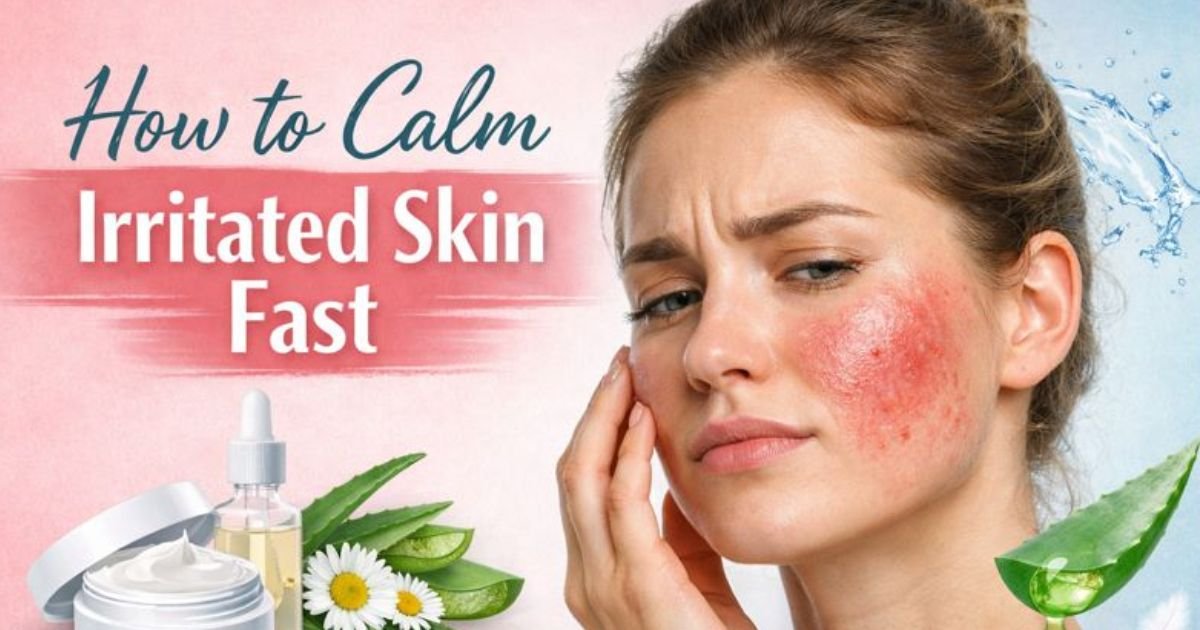
If you’re wondering how to calm irritated skin fast, several effective methods can help soothe your skin and provide quick relief. Irritation can be caused by factors like harsh weather, allergies, sunburn, or conditions such as eczema, rosacea, or acne. Symptoms often include redness, swelling, and itching, which can affect your confidence. Key ingredients like aloe vera, chamomile, and calendula are great for reducing redness and inflammation. A fragrance-free moisturizer can also lock in hydration and protect your skin. This guide will share top products and techniques to calm irritated skin fast and maintain long-term skin health.
Who May Benefit & Who Should Avoid
Ideal Candidates:
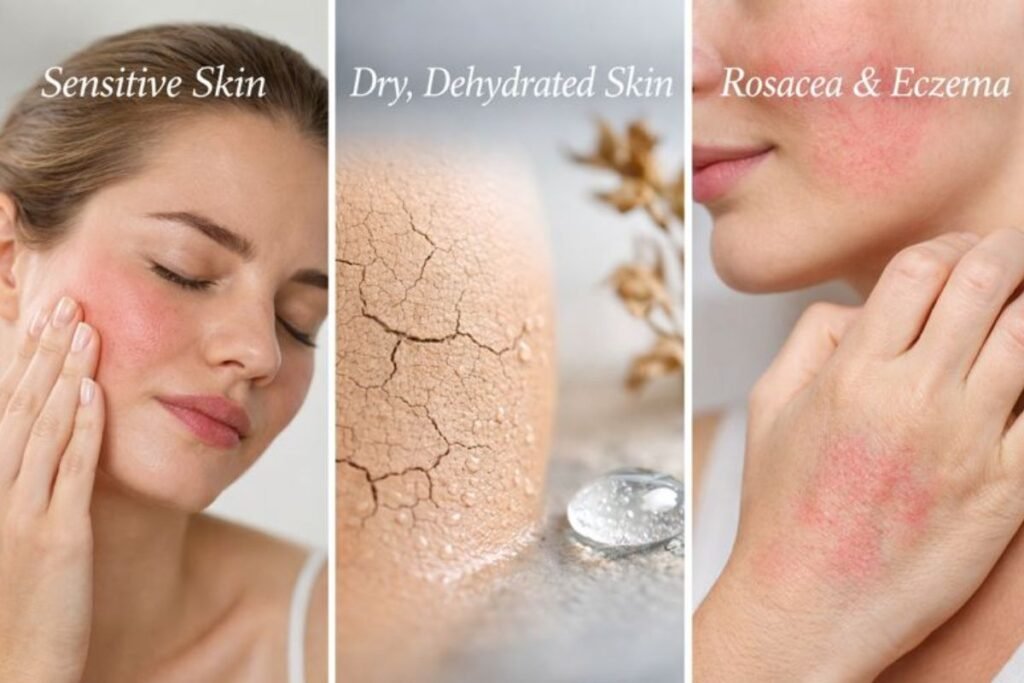
- Sensitive Skin: Individuals with naturally sensitive or reactive skin often experience irritation from environmental triggers or products.
- Dry, Dehydrated Skin: Skin that lacks moisture can become irritated, inflamed, and more prone to sensitivity.
- Rosacea and Eczema: These conditions can cause chronic irritation and flare-ups, making quick relief crucial.
Who Should Avoid This Treatment:
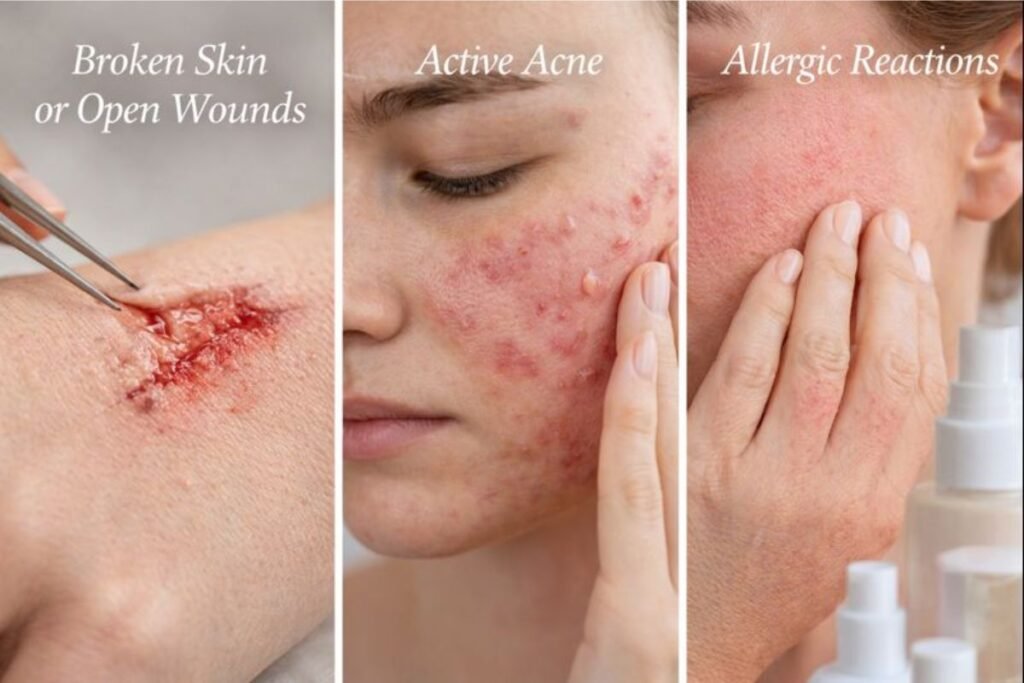
- Broken Skin or Open Wounds: Applying certain skincare products or cold treatments to broken skin can worsen irritation or cause infection.
- Active Acne: Harsh treatments may worsen acne by increasing inflammation.
- Allergic Reactions: If you’re allergic to certain ingredients, avoid products that could trigger reactions, like fragrances or alcohols.
How It Works: The Science of Skin Irritation
When your skin becomes irritated, it’s responding to an external or internal stressor, such as a harsh product, allergen, or environmental factor (like UV rays or pollution). The irritation typically results in an inflammatory response, which leads to redness, swelling, and discomfort.
- Short-Term Relief: Many calming treatments provide temporary relief by reducing inflammation and soothing discomfort. Cold compresses, hydrating creams, and gentle anti-inflammatory ingredients (like aloe vera) can offer quick comfort by temporarily cooling the skin and reducing redness.
- Long-Term Solutions: Consistent use of calming ingredients like ceramides, niacinamide, and hyaluronic acid can help strengthen the skin’s barrier, reducing future irritation and supporting long-term skin health.
Think of your skin as a fence; when it’s damaged or weak, it lets irritants pass through, causing inflammation. By soothing it in the short term and strengthening it over time, you rebuild the barrier to protect against future problems.
When to Apply and How Frequently:
To calm irritated skin effectively, consistency is key, but so is not overdoing it. Here’s a guide to how often you should incorporate these practices into your routine:
- Cold Compress or Ice Packs: 2–3x per day for 5–10 minutes as needed. Be cautious with prolonged exposure to avoid ice burn.
- Soothing Creams & Hydrating Masks: Apply 1–2x daily, ideally morning and night, depending on how your skin tolerates it.
- Anti-Inflammatory Ingredients: For sustained improvement, use calming products (like those containing niacinamide or ceramides) regularly, 3–4x a week, especially if you’re managing conditions like eczema or rosacea.
What to Use for Quick Relief:
The right products can make all the difference in how fast your skin calms down. Here are some dermatologist-approved recommendations that are effective, affordable, and widely available:
- CeraVe Hydrating Cleanser: Ideal for sensitive and dry skin, this gentle, non-foaming cleanser replenishes the skin’s moisture while soothing irritation.
- Neutrogena Hydro Boost Water Gel: Packed with hyaluronic acid, this gel moisturizer hydrates without being heavy, helping calm irritated skin while locking in moisture.
- La Roche-Posay Cicaplast Baume B5: A cult favorite for its healing properties, this balm is formulated with panthenol (vitamin B5) to soothe and repair the skin barrier.
- The Ordinary Niacinamide 10% + Zinc 1%: This serum reduces redness and inflammation, making it ideal for skin that’s irritated by acne or environmental factors.
Targeting Top Concerns:
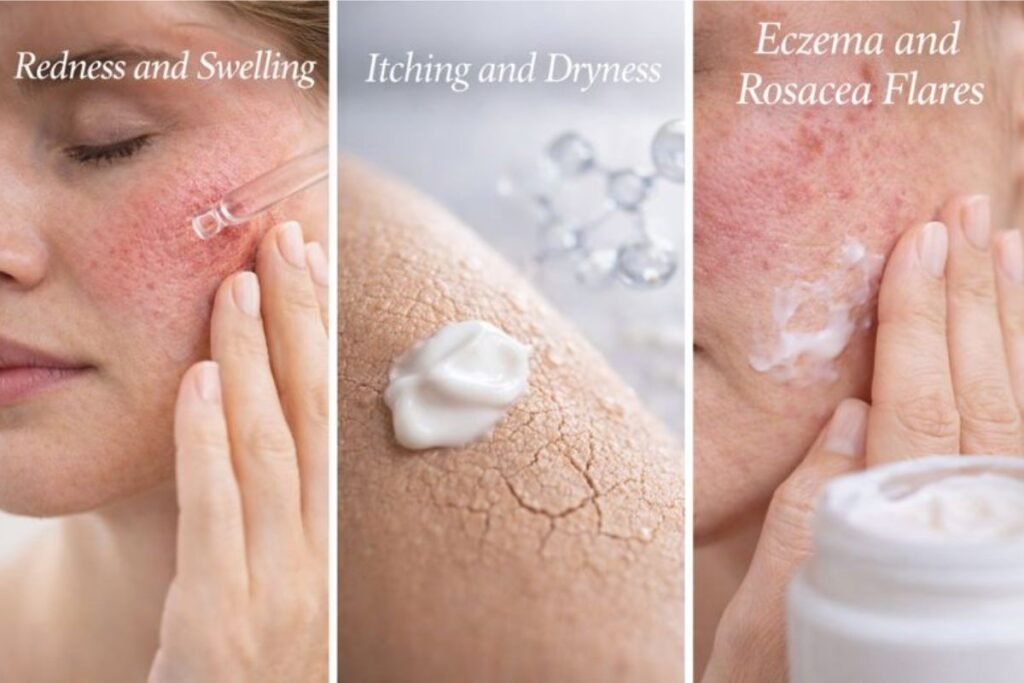
Redness and Swelling:
Using anti-inflammatory ingredients like niacinamide or chamomile extract can help calm the skin’s inflammatory response, reducing redness and swelling fast.
Itching and Dryness:
Hyaluronic acid and ceramides are excellent at rehydrating the skin, making them especially helpful if irritation is tied to dry, itchy patches.
Eczema and Rosacea Flares:
In addition to using gentle products, ceramide-rich creams can help restore the skin’s protective barrier, preventing further irritation. Consult your dermatologist for tailored advice.
Safety Rules & Warning Signs:
While these treatments may help, it’s important to be mindful of potential risks:
- Ice Burn: Using ice for too long or directly on the skin can cause cold-induced injury. Limit exposure to 5–10 minutes and wrap ice in a cloth.
- Over-Exfoliation: Some people may be tempted to scrub irritated skin to remove dead cells, but this can worsen inflammation. Stick to gentle products.
- Skin Allergies: If any product causes increased redness, itching, or swelling, discontinue use immediately. Always patch-test new products.
When to Stop:
If irritation doesn’t subside within a few days or if it worsens, consult a dermatologist. Persistent irritation may require prescription-strength treatments.
Realistic Results Timeline:
- Week 1–2: You’ll likely notice some reduction in redness and discomfort as your skin begins to heal. Cold compresses and gentle moisturizers will offer quick relief.
- Month 1: Consistent use of soothing ingredients like niacinamide and ceramides will help reduce long-term irritation and improve skin hydration.
- Month 3: If you have a chronic condition like eczema or rosacea, expect significant improvement in the skin barrier and fewer flare-ups, though some conditions may require ongoing management.
Common Mistakes & How to Fix Them:
- Using Harsh Products:
Fix It: Avoid products with alcohol, fragrances, or harsh exfoliants. Stick to calming ingredients like ceramides and hyaluronic acid. - Applying Too Much of a Treatment:
Fix It: More isn’t always better. Stick to recommended amounts, especially for products like hydrating masks or cold compresses. - Ignoring SPF:
Fix It: If you’re treating irritated skin, protect it from further damage by using a broad-spectrum SPF daily. - Inconsistent Use of Soothing Products:
Fix It: Make soothing products a regular part of your routine, not just when irritation flares up.
FAQs:
1. Can aloe vera help calm irritated skin?
Yes, aloe vera has anti-inflammatory and soothing properties, making it effective for calming minor irritation. However, it’s important to ensure you’re using pure aloe vera gel without added alcohol, which can be drying.
2. How long does it take to see improvement in irritated skin?
It depends on the severity of irritation and the cause. For minor irritation, relief can occur within hours, while chronic conditions may take 1–2 weeks to improve with consistent care.
3. Can stress cause skin irritation?
Yes, stress can trigger inflammatory responses in the skin, leading to flare-ups in conditions like eczema, psoriasis, or acne.
4. What should I do if my irritation worsens after using a product?
Stop using the product immediately. Patch-test any new products before full application, and if irritation persists, consult your dermatologist.