
Melanated skin is resilient, beautiful, and naturally protective—but it is also more reactive to irritation and inflammation. This is why many people with deeper skin tones experience dullness, uneven tone, or dark marks even when they are careful with skincare.
If you are trying to understand how to brighten melanated skin naturally, the key is not harsh treatments or bleaching. True brightening comes from reducing inflammation, protecting melanin, strengthening the skin barrier, and supporting healthy cell turnover over time.
This guide explains exactly how natural brightening works, what actually helps, what to avoid, and how to build a safe routine that respects melanated skin.
1. Why Melanated Skin Looks Dull or Uneven:
Melanin itself is not the problem. In fact, melanin protects the skin from UV damage and premature aging. The real issue is how melanated skin responds to stress.
Common causes of dullness in melanated skin:
- Sun exposure without sunscreen
- Post-inflammatory hyperpigmentation (acne marks)
- Over-exfoliation or harsh scrubs
- Lemon, DIY remedies, or bleaching products
- Dehydration and a damaged skin barrier
When the skin barrier is compromised, melanocytes (pigment cells) become overactive, leading to dark patches instead of brightness.
2. What “Natural Brightening” Actually Means:
Naturally brightening melanated skin does not mean changing your natural skin color.
It means:
- Improving skin clarity
- Making tone more even
- Reducing dullness and dark marks
- Enhancing healthy glow
There are two types of brightness:
Temporary brightness:
- Hydrated skin reflects light better
- Smoother texture looks more radiant
- Results are short-term
Evidence-backed brightness:
- Reduced inflammation
- Balanced melanin production
- Stronger barrier function
- Results appear over weeks to months
Many “natural hacks” like lemon or baking soda have limited evidence and a high risk of irritation, which can worsen pigmentation in melanated skin.
3. Step-by-Step: How to Brighten Melanated Skin Naturally:
STEP 1: Strengthen the Skin Barrier:
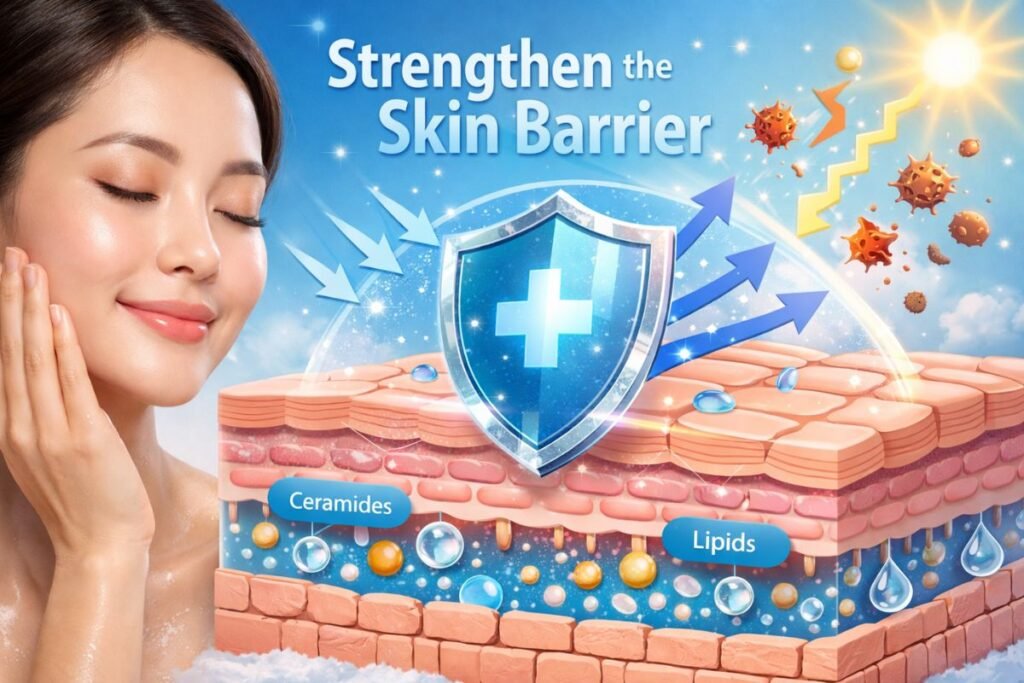
A healthy barrier prevents irritation—the number one trigger for pigmentation.
What to do:
- Use a gentle, non-foaming cleanser
- Moisturize daily with ceramides and humectants
Barrier-friendly options:
- CeraVe Hydrating Cleanser
- Cetaphil Moisturizing Lotion
A strong barrier = less inflammation = more even tone.
STEP 2: Daily Sunscreen Is Non-Negotiable:
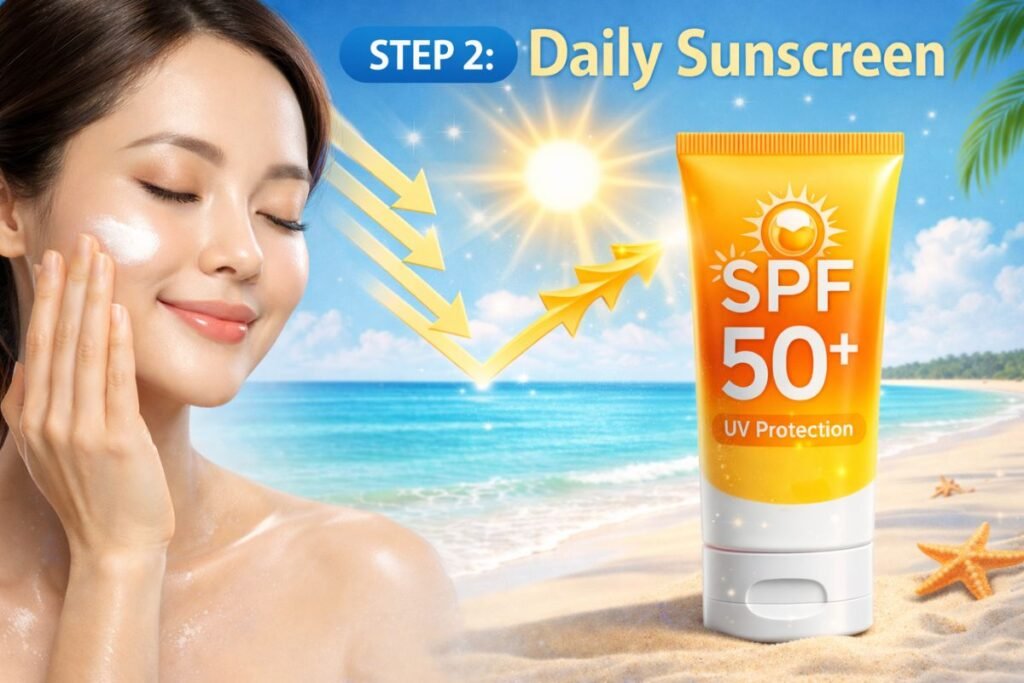
If you want to brighten melanated skin naturally, sunscreen is essential.
Even darker skin tones:
- Tan and darken with UV exposure
- Develop deeper acne marks without protection
- Lose brightness faster
How to use sunscreen:
- SPF 30–50
- Apply daily, even indoors
- Use two finger lengths for the face
- Reapply if outdoors
Good options:
- Neutrogena Ultra Sheer SPF
- La Roche-Posay Anthelios
STEP 3: Use Gentle Brightening Ingredients:
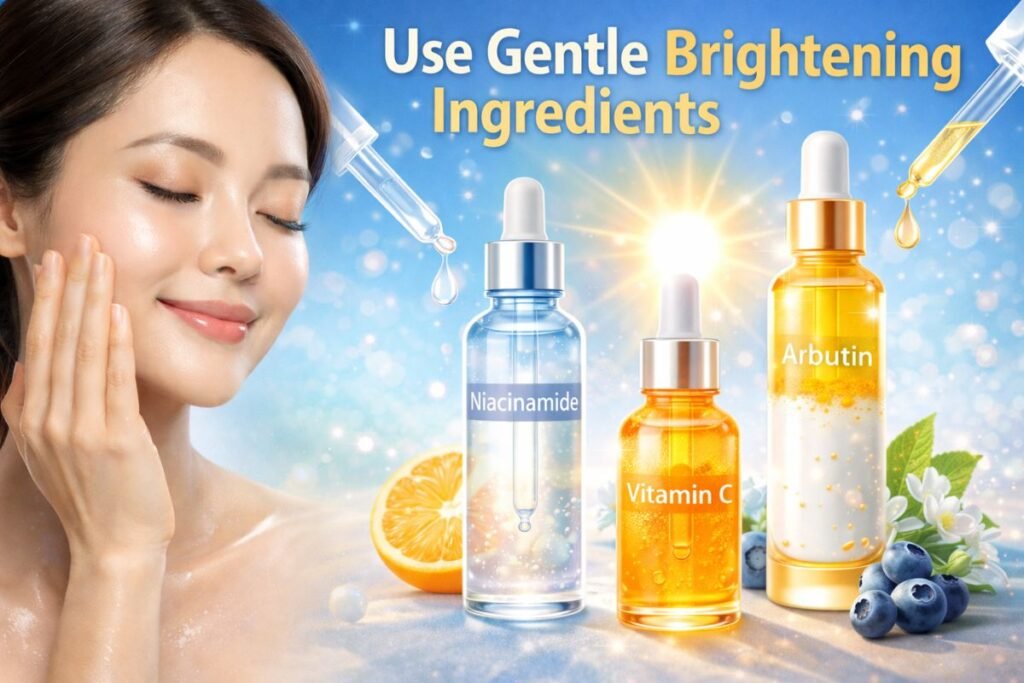
These ingredients help regulate pigment safely.
Niacinamide:
- Reduces inflammation
- Improves uneven tone
- Strengthens barrier
How to use:
Daily, 5–10%
Example:
- The Ordinary Niacinamide Serum
Azelaic Acid:
- Gold standard for melanated skin
- Helps acne marks and redness
- Supports gradual brightening
How to use:
2–3x/week or as tolerated
Vitamin C (Low Strength):
- Improves dull appearance
- Provides antioxidant protection
Start with 5–10% to reduce irritation risk.
STEP 4: Exfoliate Carefully (Less Is More):

Over-exfoliation is one of the biggest mistakes in melanated skin.
Safe exfoliation rules:
- 2–3x/week or as tolerated
- Choose lactic or mandelic acid
- Avoid physical scrubs
Exfoliation should never burn or sting.
STEP 5: Hydration Creates Natural Glow:
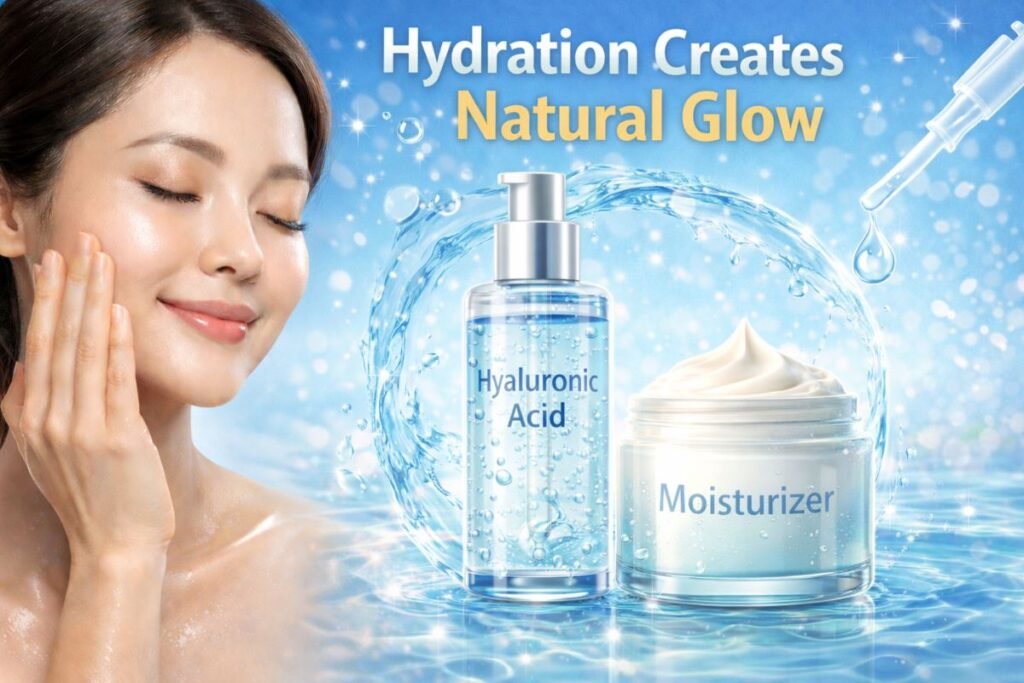
Hydrated skin always looks brighter.
Look for:
- Hyaluronic acid
- Glycerin
- Panthenol
Hydration improves light reflection and supports barrier repair.
4. Simple AM / PM Routine for Natural Brightening:
Morning:
- Gentle cleanser
- Niacinamide or low-strength vitamin C
- Moisturizer
- Sunscreen
Night:
- Cleanser
- Azelaic acid (2–3x/week)
- Moisturizer
5. Top Concerns & Natural Solutions:
Acne Dark Marks:
- Do not pick
- Use azelaic acid
- Apply sunscreen daily
Uneven Tone:
- Consistent SPF
- Gentle exfoliation
- Barrier repair
Early Aging + Dullness:
- Hydration
- Sun protection
- Slow introduction of retinoids (if needed)
6. Safety Rules (Very Important):
Stop and reassess if you experience:
- Burning or stinging
- Ice burn from cold tools
- Rosacea flare
- Broken capillaries
- Eczema worsening
- Persistent redness
Avoid:
- Lemon or citrus on skin
- Bleaching creams
- Harsh scrubs
- Daily exfoliation
Natural does not always mean safe.
7. Realistic Timeline for Results:
- Week 1–2: Skin feels smoother and hydrated
- 1 month: Tone appears more even
- 3 months: Visible natural brightness
Brightening is gradual and depends on consistency.
8. Common Mistakes That Block Brightening:
- Skipping sunscreen
- Using too many actives at once
- Trying DIY remedies
- Over-cleansing or scrubbing
- Expecting instant results
9. Frequently Asked Questions:
Can melanated skin become fair naturally?
No. Natural methods support even tone and glow, not skin color change.
Is lemon safe because it’s natural?
No. Lemon causes irritation and can worsen pigmentation.
How often should I exfoliate?
2–3x/week or as tolerated.
Is this routine for both men and women?
Yes. Skin biology is the same.