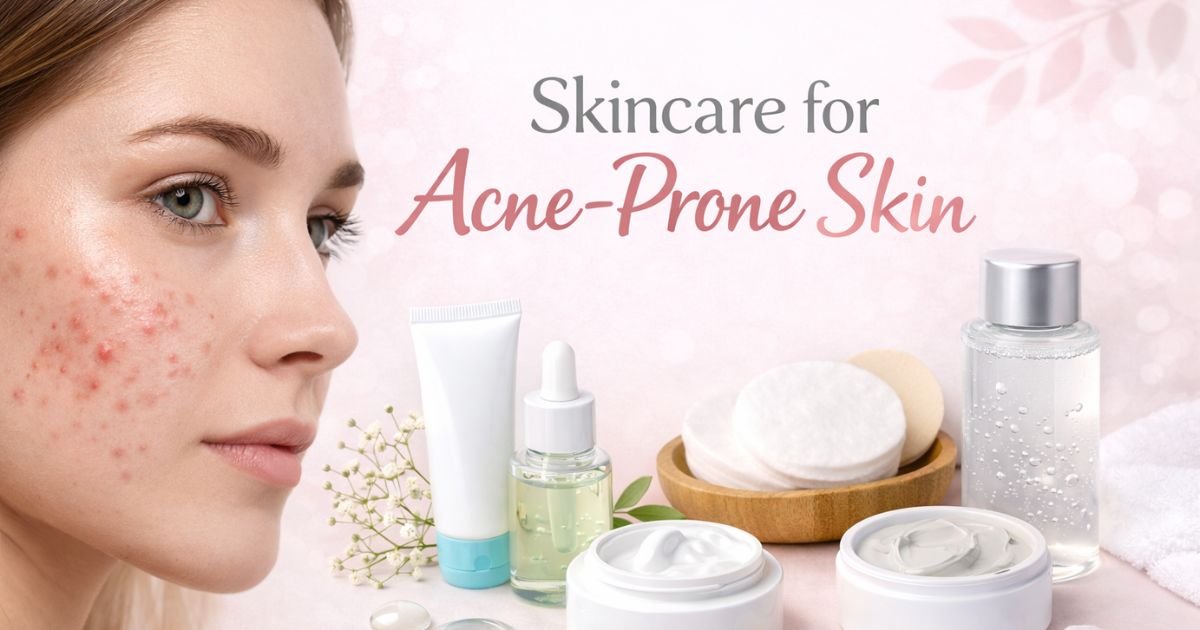
Acne-prone skin can feel like a constant battle, but you don’t have to face it alone. Whether you’re dealing with the occasional pimple or persistent breakouts, this guide will provide you with the tools and knowledge you need to take control. With 20+ years of experience, I’ve helped thousands of clients achieve glowing, healthy skin — and I know you can too. Let’s dive into a best skincare routine for acne-prone skin that’s tailored specifically to your needs, helping you find the balance between healthy skin and confidence.
Who Needs This Guide?
If you’re tired of battling breakouts, excessive oil, or blemishes, this guide is for you. Acne-prone skin doesn’t have to mean a life of frustration. This routine is perfect for:
- Oily/Acne-Prone Skin: If your skin produces more oil than you’d like, this guide will help balance it out while tackling acne.
- Ages 25-40: Whether you’re dealing with adolescent acne or adult breakouts, this routine will cater to your needs.
- Busy Professionals: Time is precious, and this guide provides a practical, easy-to-follow routine without the need for complex steps.
The Promise: A Simple Yet Effective Routine:
You’ve got this! Whether you’re new to skincare or simply need a fresh approach, this guide will give you all the insights you need to create a clear, glowing complexion. From finding the right products to understanding the core principles of skincare, this is the ultimate skincare roadmap for acne-prone skin.
3 Core Skincare Principles for Acne-Prone Skin
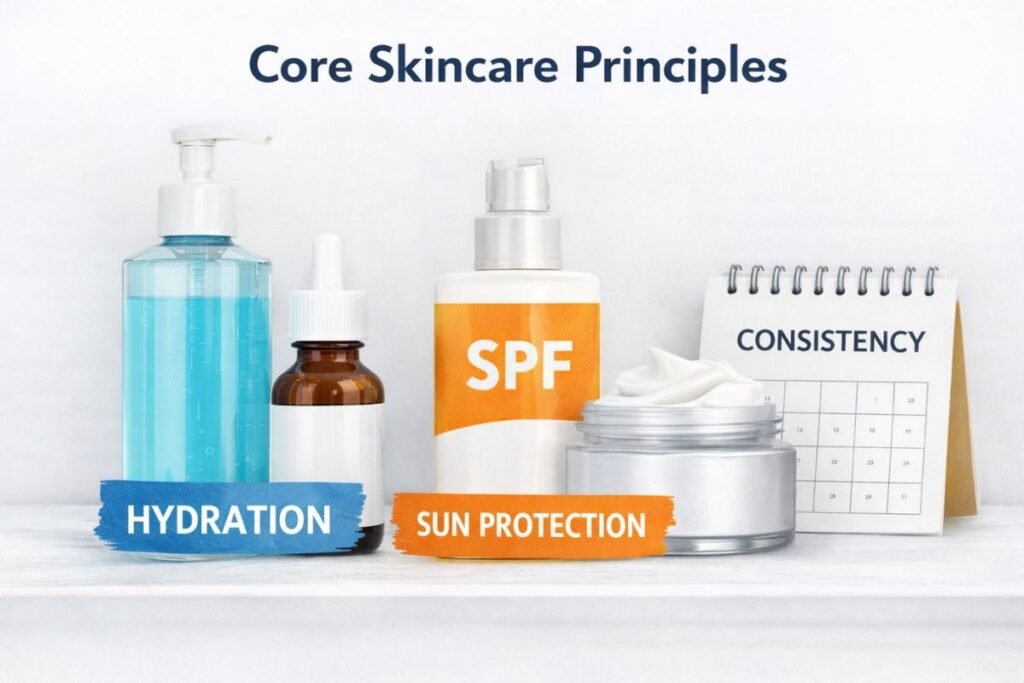
1. Hydration:
Acne-prone skin isn’t just about oil. It’s crucial to keep your skin hydrated to prevent overcompensating oil production. Hydration acts as the foundation of any great skincare routine. Without it, your skin can become dry, irritated, and even more prone to breakouts.
Client Example:
Take Sarah, a 30-year-old client who struggled with oily yet dehydrated skin. By incorporating a hydrating serum, she noticed an immediate improvement in her skin’s balance — less oil, fewer breakouts, and healthier-looking skin overall.
2. Sun Protection:
SPF is essential for all skin types, including acne-prone skin. Harmful UV rays can trigger inflammation and hyperpigmentation, exacerbating acne scars. SPF 50 or higher is a must — and no, SPF won’t make your skin greasy if you use the right kind of product!
Client Example:
Jonah, a busy professional, didn’t use sunscreen for years and saw his acne scars get darker. After incorporating sunscreen into his morning routine, he saw an improvement in scar healing and fewer new breakouts.
3. Consistency:
Consistency is key! It might seem like acne should clear up after a few days, but real, visible results take time. Just like working out or eating healthy, your skincare routine needs dedication. Stick to your routine and give products time to work.
Client Example:
Olivia had breakouts every month, but after following a consistent routine for 3 months, her skin had significantly cleared up. No shortcuts — consistency was the secret!
Acne-Prone Skin Daily Routine:
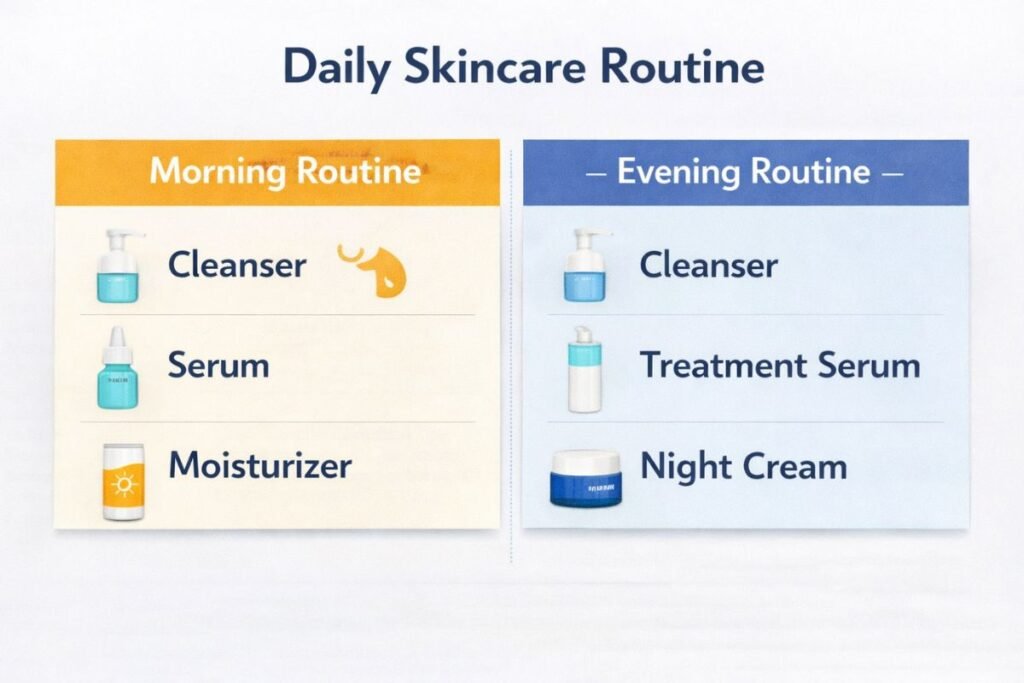
| Time | Step | Product | Budget Alt | Oily/Dry Alt |
|---|---|---|---|---|
| AM | Cleanser | CeraVe Hydrating Cleanser | The Ordinary Squalane Cleanser | La Roche-Posay Toleriane (Dry) |
| PM | Serum | The Ordinary Niacinamide | CeraVe Hyaluronic Acid Serum | Neutrogena Hydro Boost Serum |
Weather Adjustments:
- Summer: Opt for a lightweight moisturizer and oil-free SPF.
- Winter: Choose richer creams or oils to combat dryness.
5 Essential Skincare Products:
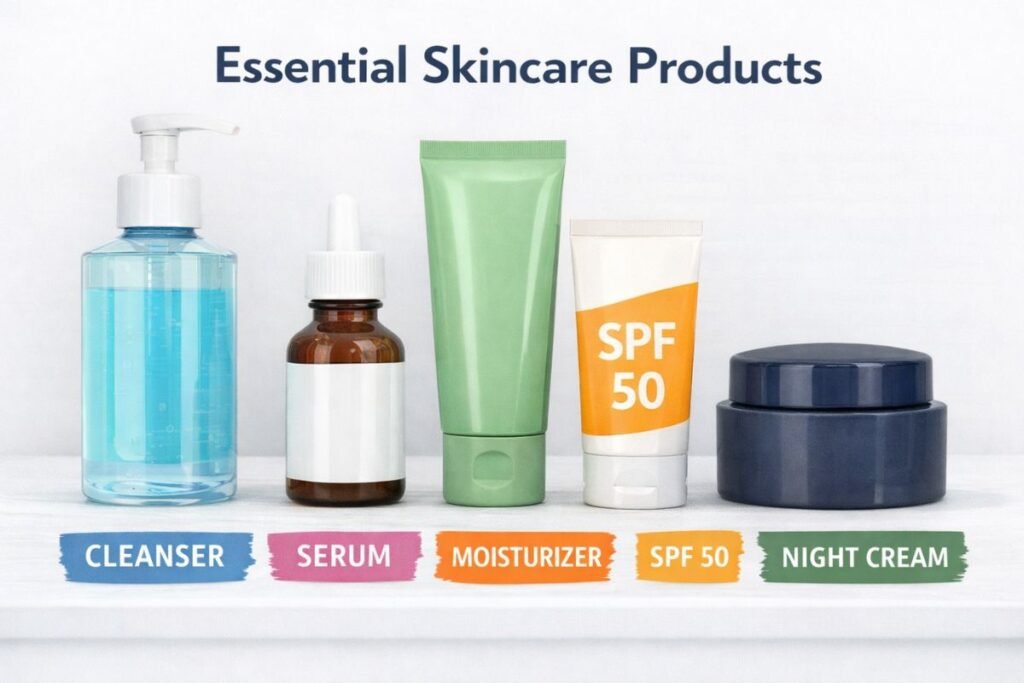
- Cleanser
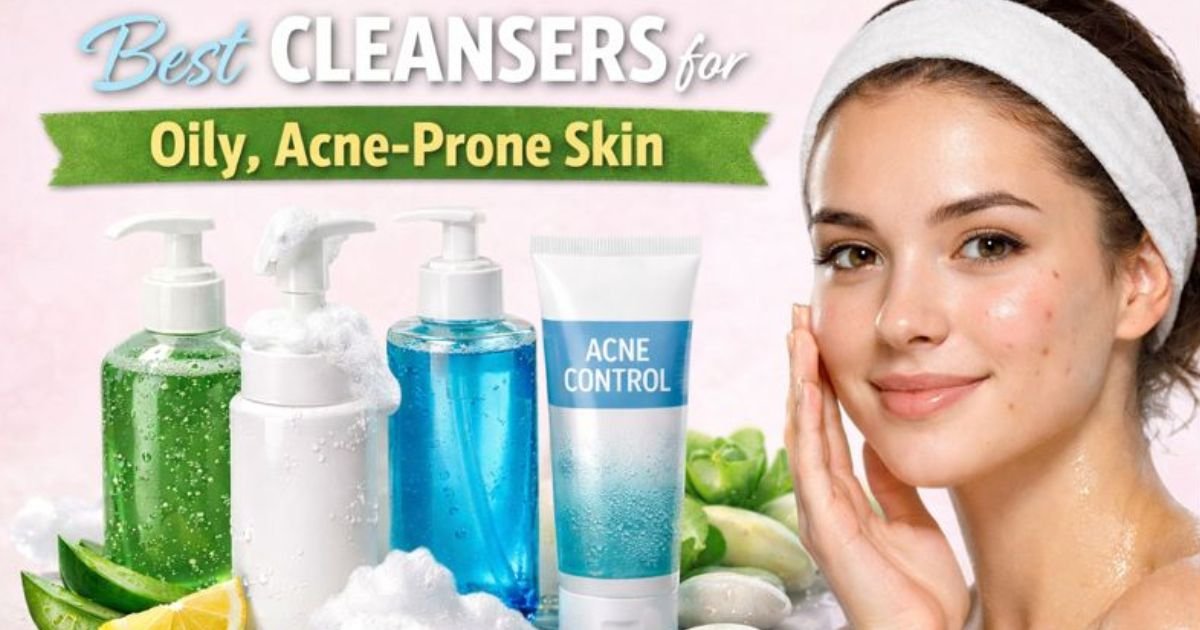
Use a gentle cleanser to remove excess oil and impurities without stripping the skin’s natural barrier. Niacinamide-based cleansers are great for calming inflammation. - Serum
Niacinamide is your best friend! This ingredient is great for controlling oil and reducing inflammation. Apply a pea-sized amount and gently massage for 60 seconds to promote absorption. - Moisturizer
Even if you have oily skin, don’t skip the moisturizer. Opt for gel-based moisturizers if your skin tends to feel greasy. - SPF 50
Choose a non-comedogenic sunscreen with SPF 50 or higher to protect your skin from harmful UV rays. - Night Cream
A nourishing night cream helps your skin repair overnight. Look for ingredients like ceramides and hyaluronic acid to lock in moisture and improve your skin’s elasticity.
“The 3 Key Skin Issues You Should Focus On:
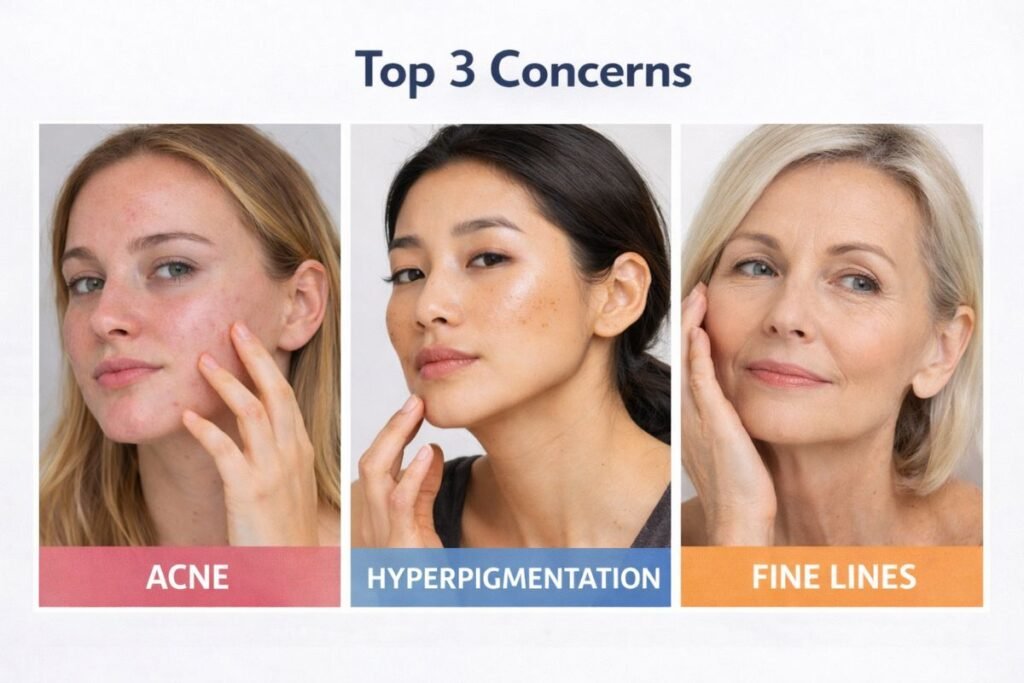
1. Acne:
For acne-prone skin, a targeted acne treatment routine is essential. Benzoyl peroxide or salicylic acid can help treat and prevent acne while reducing redness and inflammation.
2. Hyperpigmentation:
Dark spots and acne scars can linger, but Vitamin C and niacinamide can brighten and even out your skin tone over time. Consider a serum with both ingredients for maximum effect.
3. Fine Lines:
While acne is your current concern, don’t neglect the signs of aging. Retinol or peptide-rich products can help smooth fine lines and improve skin texture.
Environmental Defense:
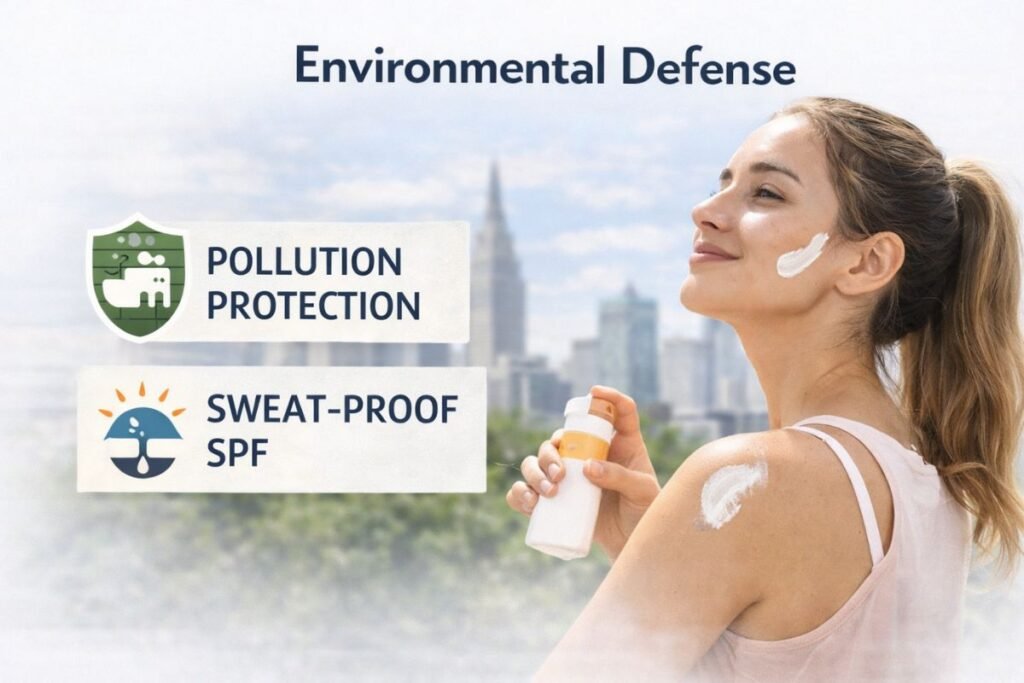
Pollution Defense:
Protect your skin from environmental pollutants with antioxidants like Vitamin C and green tea extract. Use sweat-proof SPF for added protection when you’re on the go.
Climate-Proof Skincare:
- Humid Weather: Choose oil-free products like gel-based moisturizers.
- Dry Weather: Opt for richer, hydrating creams and oils to maintain your skin’s moisture barrier.
Skin Nutrition:
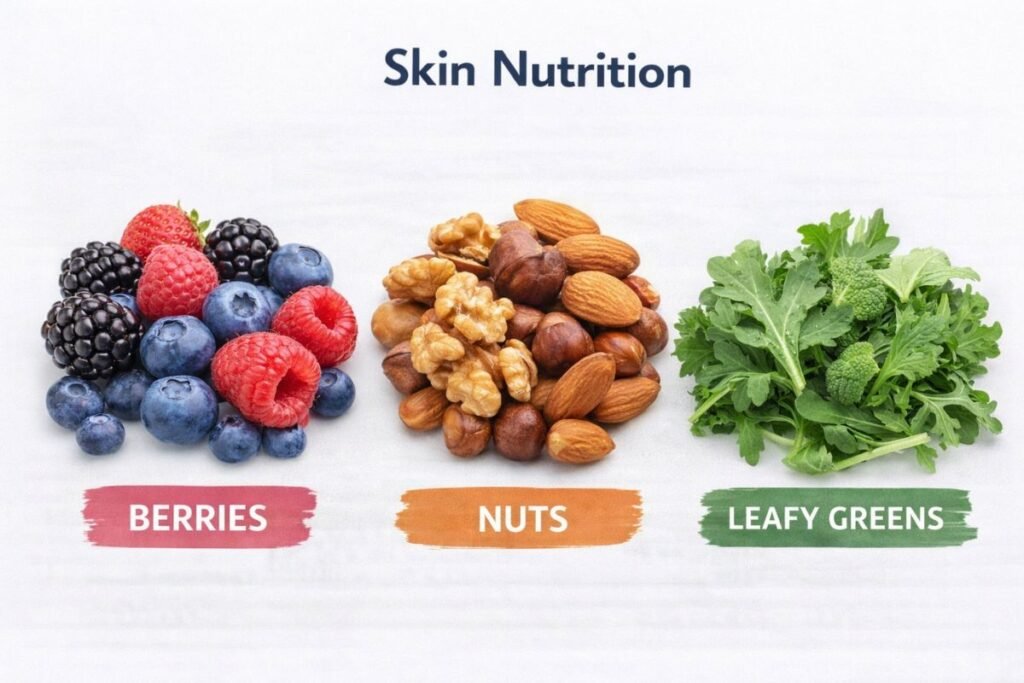
Antioxidants are crucial for glowing skin, so focus on foods like berries, nuts, and green leafy vegetables. These foods help reduce inflammation and improve skin texture.
3-Day Skin-Boosting Meal Plan:
- Day 1: Smoothie with spinach, berries, chia seeds.
- Day 2: Avocado toast with a side of walnuts.
- Day 3: Grilled salmon with a side of roasted sweet potatoes.
What to Expect
- Week 1-2: You’ll notice smoother skin and better hydration.
- Month 1: Visible improvement in skin tone, texture, and acne control.
- Month 3: Significant improvement in acne, reduced hyperpigmentation, and fine lines.
5 Common Mistakes
- Over-Exfoliating: Stick to exfoliating 1-2 times per week to avoid irritation.
- Not Using SPF: This is non-negotiable! Always wear SPF, even indoors.
- Skipping Moisturizer: Even if your skin is oily, you still need hydration.
- Not Being Consistent: Results take time. Don’t give up too soon.
- Using Harsh Products: Stick to gentle, non-comedogenic products.
FAQ:
1. How do I identify my skin type?
You can determine your skin type by noticing how your skin feels after cleansing. If it’s tight, it’s likely dry. If it’s shiny, it’s oily. If it’s a mix, you have combination skin.
2. What is the best SPF for oily skin?
Choose a matte-finish sunscreen that’s labeled “non-comedogenic” to avoid clogging pores.
3. Can I use Vitamin C and retinol together?
Yes, but apply them at different times (Vitamin C in the morning, retinol at night) to avoid irritation.
4. How often should I exfoliate?
Exfoliate once or twice a week to remove dead skin cells without damaging your skin barrier.
Call to Action:
Ready for your skin transformation? Start your skincare routine today, and track your progress. You’ve got this! Remember, consistency is the key to seeing long-lasting results.