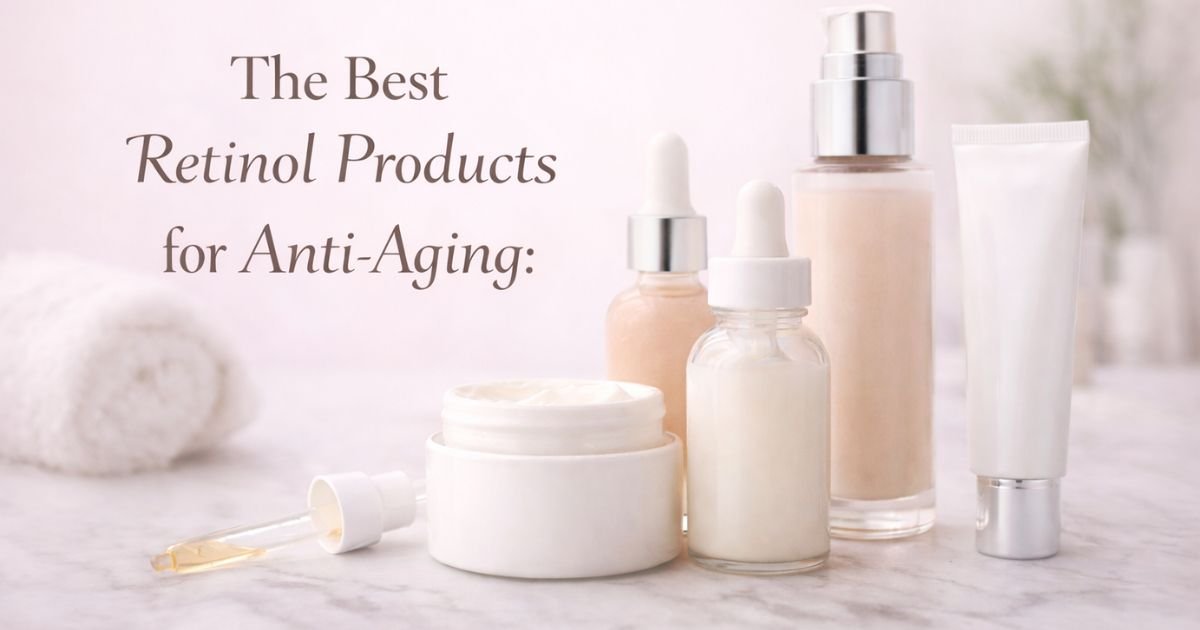
When it comes to anti-aging skincare, retinol stands out as one of the most powerful ingredients. Used in countless formulas, it is well-known for its ability to smooth wrinkles, improve skin texture, and promote a youthful glow. But, with so many retinol products on the market, how do you choose the right one for your skin type and concerns? In this guide, we’ll explore the best retinol products for anti-aging, backed by clinical evidence, and give you a clear, actionable plan to incorporate them into your routine.
Who May Benefit & Who Should Avoid:
Retinol can be a game-changer for many, but it’s not for everyone. Here’s who will benefit the most and who should approach with caution:
Ideal Candidates:

- Ages 25 and older: Retinol is great for individuals starting in their mid-20s to early 30s, as it can prevent early signs of aging.
- Normal to oily skin types: Retinol can help regulate oil production and prevent clogged pores, making it ideal for those with acne-prone skin.
- Those with sun damage: If you’ve spent too much time in the sun without sunscreen, retinol can help fade dark spots, hyperpigmentation, and promote even skin tone.
- Those with fine lines and wrinkles: Retinol is known for its ability to stimulate collagen production, which is essential in reducing visible signs of aging.
Who Should Avoid:
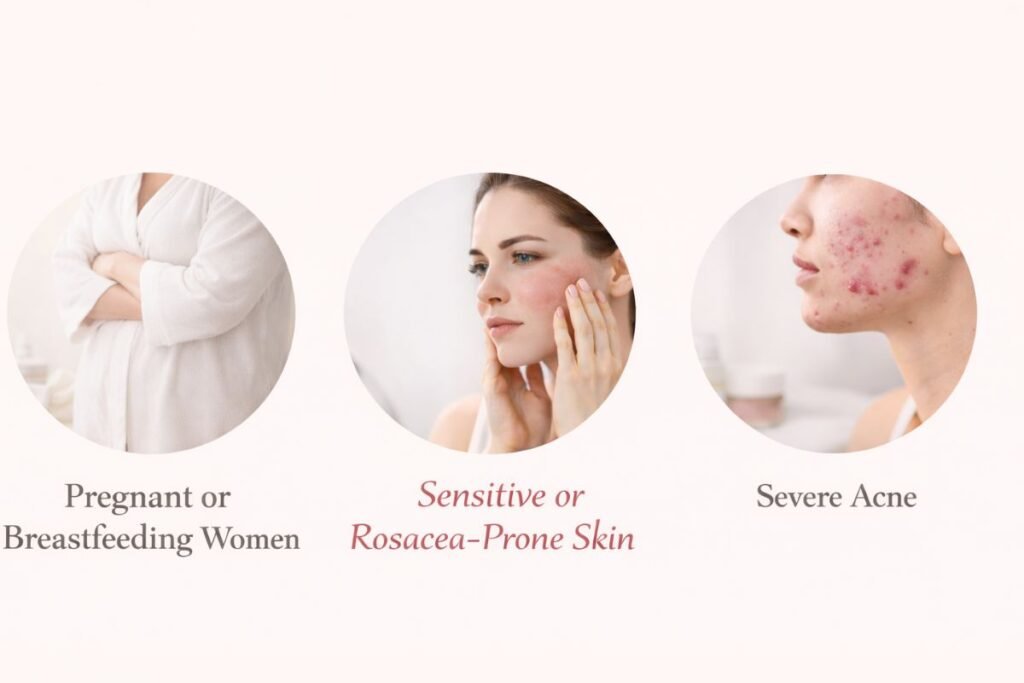
- Pregnant or breastfeeding women: Retinol is a derivative of Vitamin A, and high doses can be harmful to the developing fetus or infant.
- Sensitive or rosacea-prone skin: If you have rosacea, eczema, or very sensitive skin, retinol might exacerbate redness and irritation.
- Severe acne: While retinol can help treat acne, those with active, cystic acne should seek dermatologist advice before using it.
How It Works: The Science Behind Retinol:
Retinol is part of the vitamin A family and works by accelerating cell turnover. In simpler terms, it speeds up the skin’s natural exfoliation process, sloughing off dead skin cells and revealing a fresh layer of skin. This helps reduce the appearance of fine lines, wrinkles, and dark spots.
Short-Term Effects:
Initially, you might notice smoother skin and a brighter complexion. These effects are temporary and provide a polished look that lasts as long as you use the product regularly.
Long-Term Effects:
Over time, retinol can build up collagen and elastin production, which helps to thicken the skin, improving its firmness and reducing the appearance of wrinkles. These long-term changes can take 1–3 months to fully show, but they are highly effective when used consistently.
To simplify, think of retinol as a workout for your skin—it pushes it to renew itself, much like exercise helps the body build muscle over time.
How Often Should You Use Retinol?
For beginners, it’s important to start slow to avoid irritation. Here’s a simple frequency plan:
- Week 1–2: Start with a low-concentration retinol product (e.g., 0.25%–0.5%) and apply it once a week.
- Week 3–4: Gradually increase usage to 2–3 times per week, or as tolerated.
- Month 1 onward: Aim for 3–4 times per week, building up to daily use if your skin can handle it.
When to Apply Retinol:
Retinol is best applied at night, after cleansing and before moisturizing. Retinol makes the skin more sensitive to sunlight, so it’s important to wear sunscreen daily when using these products.
Best Retinol Products & Ingredients for Anti-Aging:
Here are some of the best retinol products for anti-aging, from well-known and affordable brands:
1. Paula’s Choice Retinol (e.g., Clinical 1%)
- Why it’s recommended:
Dermatologists praise this for its controlled-release technology, which minimizes irritation while addressing fine lines, wrinkles, and uneven skin texture. - Key benefits:
- Gradual retinol release.
- Reduces fine lines and improves texture.
- Non-irritating, even for delicate areas.
2. CeraVe Skin‑Renewing Retinol Serum
- Why it’s recommended:
Recommended by board-certified dermatologists as a gentle, effective option for sensitive skin that also supports the skin barrier. - Key benefits:
- Combines retinol with ceramides and niacinamide.
- Non-irritating and ideal for beginners.
- Smooths skin and improves tone.
3. La Roche‑Posay Retinol B3 Serum / Redermic Retinol
- Why it’s recommended:
Ideal for sensitive or mature skin due to the combination of niacinamide and retinol. Helps reduce irritation while targeting signs of aging. - Key benefits:
- Niacinamide reduces irritation.
- Minimizes wrinkles and improves radiance.
- Targets hyperpigmentation.
4. RoC Retinol Correxion Creams & Serums
- Why it’s recommended:
RoC is a dermatologist favorite for its ability to visibly reduce fine lines and wrinkles, even for those new to retinol. - Key benefits:
- Reduces visible signs of aging.
- Hydrating ingredients balance dryness.
- Effective for both beginners and experienced users.
5. Kiehl’s Retinol Serums
- Why it’s recommended:
Kiehl’s retinol serums are known for their gentle delivery, which minimizes irritation while offering fast results in smoothing wrinkles and improving texture. - Key benefits:
- Micro-dose technology minimizes irritation.
- Reduces fine lines and smooths skin texture.
- Ideal for sensitive skin types.
Targeting Top Concerns: Anti-Aging Benefits:

Retinol addresses several key signs of aging. Here’s how it can help:
- Fine Lines & Wrinkles: Regular use of retinol can significantly reduce the appearance of fine lines and wrinkles by boosting collagen production and increasing cell turnover.
- Hyperpigmentation & Sun Spots: Retinol can fade dark spots and hyperpigmentation caused by sun damage, improving overall skin tone.
- Skin Texture: Retinol smooths the skin’s texture, helping with rough patches and uneven skin, giving you a radiant, youthful glow.
When to Stop Using Retinol:
While retinol is a powerful anti-aging tool, it’s important to use it safely. Watch out for the following signs and adjust your routine as needed:
Warning Signs:
- Redness or irritation: This is common when first starting retinol. If it persists, reduce the frequency of use or switch to a lower concentration.
- Peeling or dryness: While some peeling is normal in the first few weeks, if your skin becomes excessively dry or irritated, you may need to pause use and hydrate your skin.
- Burning sensation: This could indicate that the product is too strong for your skin. Discontinue use and consult a dermatologist.
Realistic Results Timeline:
What should you expect when using retinol for anti-aging?:
- Week 1–2: You may notice smoother skin and a brighter complexion, but don’t expect dramatic changes yet.
- Month 1: You might begin to see the reduction in fine lines, and your skin tone may become more even.
- Month 3: Visible wrinkles should be significantly reduced, and your skin’s texture and firmness will improve, thanks to increased collagen production.
Common Mistakes & How to Fix Them:
- Using too much too soon: Starting with a high concentration can cause irritation. Fix it: Begin with a lower concentration (0.25–0.5%) and gradually increase as your skin builds tolerance.
- Not using sunscreen: Retinol can make your skin more sensitive to the sun. Fix it: Apply a broad-spectrum sunscreen daily to protect your skin from UV damage.
- Skipping moisturizing: Retinol can dry out the skin, especially if you’re new to it. Fix it: Always follow up with a hydrating moisturizer to keep your skin smooth and nourished.
- Not being patient: Results take time, and consistency is key. Fix it: Stick with your routine for at least 6–8 weeks to see real improvements.
FAQs:
Q1: Can I use retinol every night?
Yes, but you should start slowly. Begin with 1–2 nights per week and increase gradually to avoid irritation.
Q2: What are the side effects of retinol?
Common side effects include dryness, redness, peeling, and irritation. These are usually temporary and decrease as your skin adapts.
Q3: Can retinol be used with other skincare products?
Yes, but avoid using it with other potentially irritating ingredients like vitamin C or exfoliating acids at the same time. Use retinol in the evening and these ingredients in the morning.
Q4: How long will it take to see results from retinol?
You’ll start seeing smoother skin and improved texture within the first 2–4 weeks, but it can take up to 3 months for more significant changes in fine lines and wrinkles.