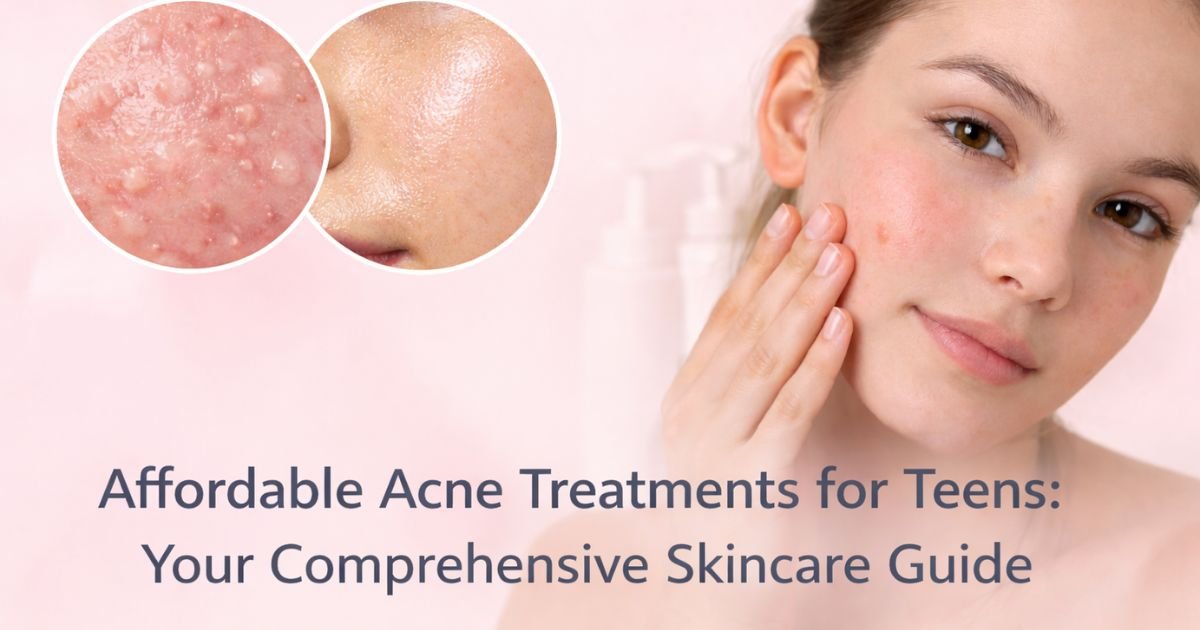
Acne is a common skin condition that affects nearly 85% of teens at some point in their lives. While it can feel overwhelming, affordable acne treatments are available to help manage breakouts and promote clear, healthy skin. In this guide, we’ll cover evidence-backed, teen-friendly treatments that won’t break the bank. By understanding how acne works and choosing the right products, you can improve your skin’s appearance and boost your confidence without needing expensive prescriptions or treatments. Let’s explore affordable solutions that actually work for teen skin.
Who May Benefit & Who Should Avoid:
Ideal for:
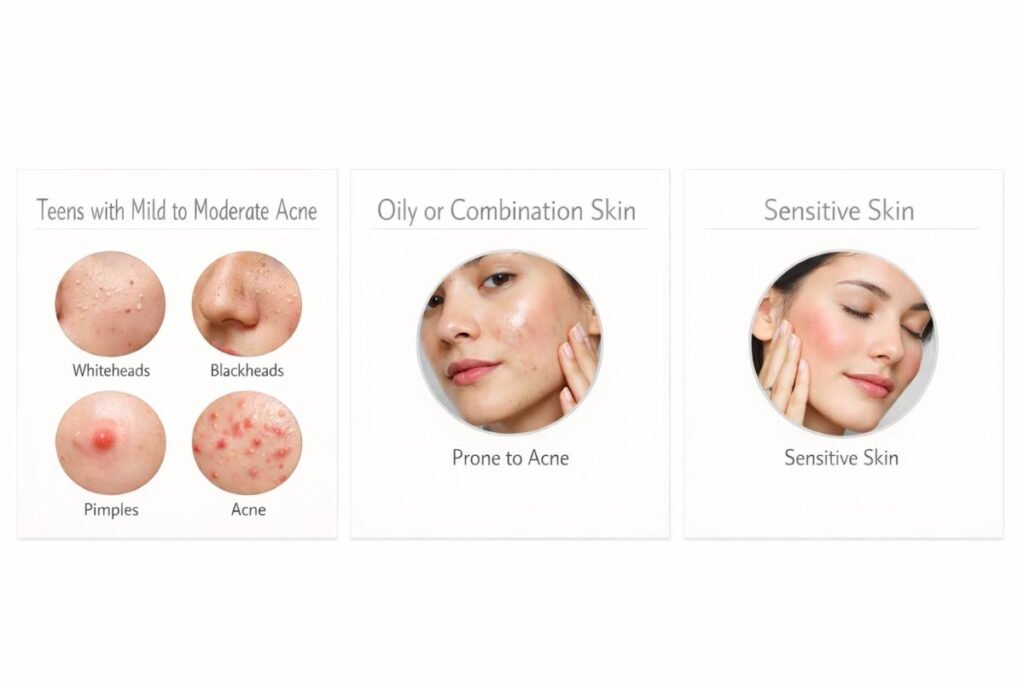
- Teens with mild to moderate acne: If your acne consists of whiteheads, blackheads, and occasional pimples, affordable treatments can often do the trick.
- Oily or combination skin types: These skin types are most prone to acne due to excess sebum production, which can clog pores.
- Sensitive skin: Some treatments, like gentle cleansers and light exfoliants, can be suitable for those with more sensitive skin. However, it’s important to test products first.
Avoid if you have:
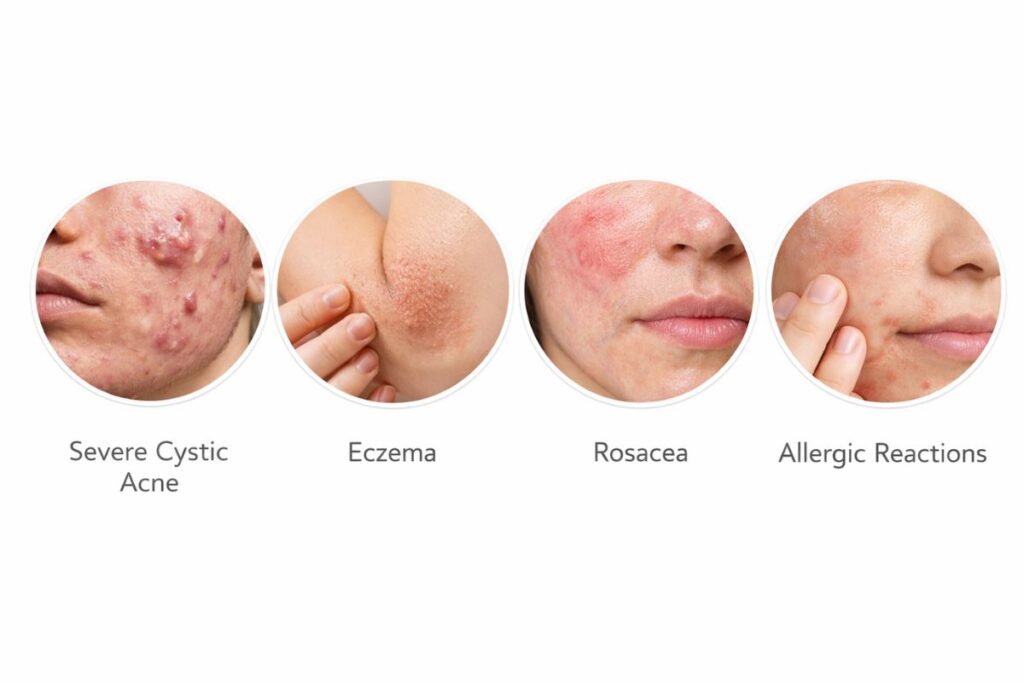
- Severe cystic acne: For this type of acne, you may need to consult a dermatologist for prescription treatments.
- Severe skin conditions like eczema or rosacea: Some over-the-counter treatments can irritate these conditions, so it’s best to avoid certain active ingredients like salicylic acid or benzoyl peroxide.
- Known allergic reactions to acne treatments: If you’ve had adverse reactions to certain ingredients in the past, be sure to check labels carefully or consult a dermatologist.
How It Works: The Science of Acne Treatment:
Acne occurs when hair follicles become clogged with oil, dead skin cells, and sometimes bacteria. This blockage leads to the development of pimples, blackheads, and whiteheads. Common treatments for target these causes in two ways:
- Reducing excess oil: Ingredients like benzoyl peroxide and salicylic acid help to reduce the amount of sebum your skin produces.
- Unclogging pores: Exfoliants, such as salicylic acid or retinoids, work to keep pores clear by removing dead skin cells that contribute to blockages.
Short-Term vs. Long-Term Effects:
- Short-term: Many affordable acne treatments provide temporary improvement by targeting current breakouts and inflammation. You may notice reduced redness and fewer pimples within a few days to weeks.
- Long-term: Over time, consistent use of acne treatments can help prevent future breakouts, promote clearer skin, and even improve skin texture. However, long-term results take at least 6-8 weeks to become noticeable, as it takes time for your skin to adjust and heal.
Safe Frequency & Routine Placement:
Here’s how to build an affordable acne-fighting routine that works without irritating your skin:
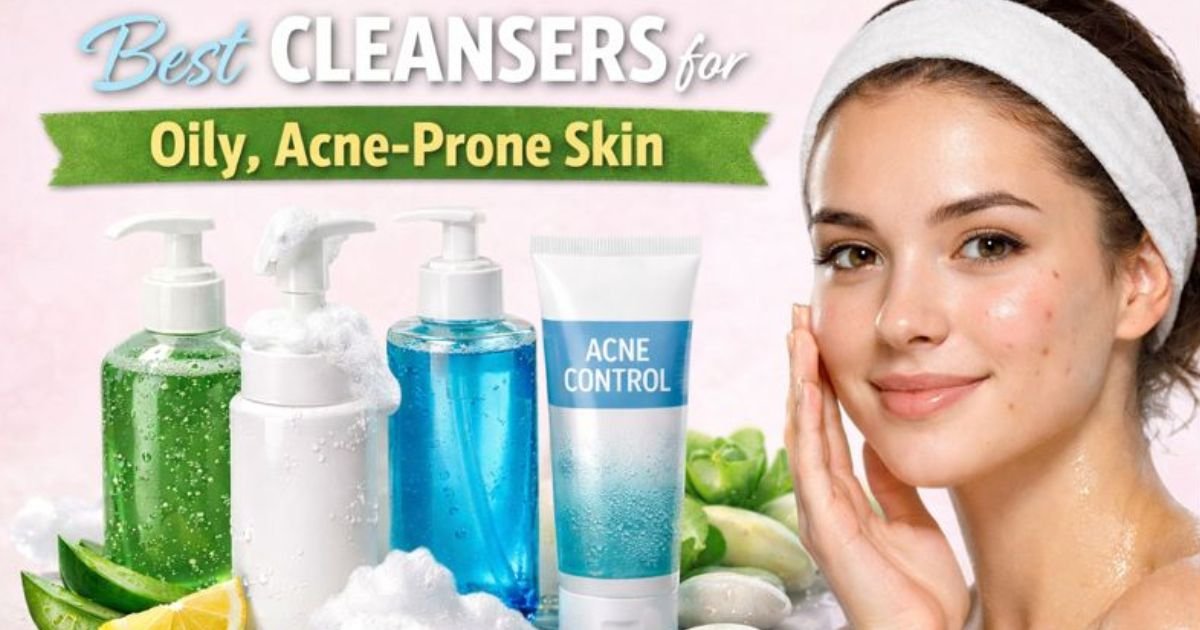
- Cleanser: Use a gentle, non-comedogenic cleanser twice daily (morning and night). Choose a formula suited for oily or acne-prone skin.
- Exfoliant (2–3x per week): Incorporate an exfoliant like salicylic acid to help clear pores and prevent buildup.
- Treatment (1–2x per day): Apply a benzoyl peroxide or salicylic acid treatment directly to blemishes or areas prone to breakouts.
- Moisturizer: Always use a lightweight, non-comedogenic moisturizer to prevent your skin from becoming too dry or irritated.
- Sunscreen (every day): Always use a broad-spectrum sunscreen, SPF 30 or higher, to protect your skin from UV damage, which can worsen acne scars.
Affordable Products & Ingredients for Teens:
Here are some wallet-friendly products and ingredients that can help combat acne:
- CeraVe Foaming Cleanser: Great for oily skin, this cleanser uses ceramides and niacinamide to clean without stripping the skin’s natural barrier.
- The Ordinary Niacinamide 10% + Zinc 1%: Niacinamide helps reduce oil production and redness, while zinc controls acne-causing bacteria.
- Neutrogena Oil-Free Acne Wash: This classic contains salicylic acid, a key ingredient for treating mild acne.
- La Roche-Posay Effaclar Duo Acne Treatment: A powerful benzoyl peroxide product, this can reduce active acne and prevent new breakouts from forming.
- Cetaphil Daily Facial Cleanser: Ideal for sensitive skin, this cleanser is gentle but effective for removing oil without causing irritation.
Why These Products Work:
These brands use tried-and-true ingredients like salicylic acid, benzoyl peroxide, and niacinamide, which are known to target acne at its root causes: excess oil and clogged pores. They’re also formulated to be gentle on the skin, making them ideal for teens who are still developing their skincare routines.
Targeting Common Acne Concerns:
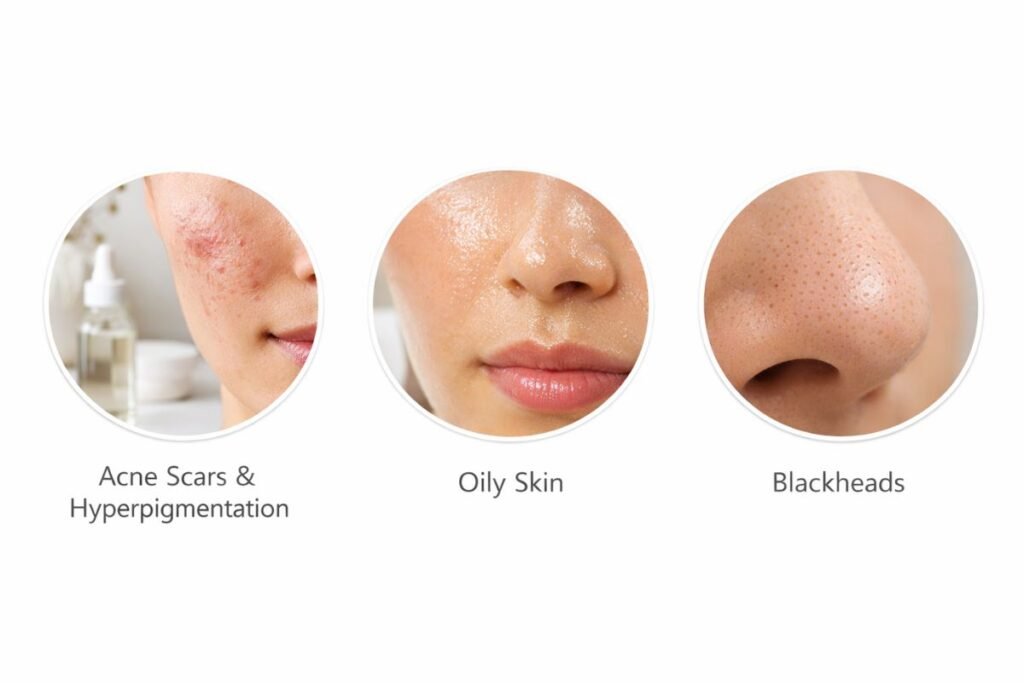
1. Acne Scars & Hyperpigmentatio:
Acne scars, whether raised or discolored, can take longer to treat than active breakouts. Ingredients like niacinamide (found in The Ordinary Niacinamide) and retinoids can help lighten dark spots and improve skin texture over time.
2. Oily Skin:
Excess sebum can clog pores and fuel acne. A salicylic acid-based product, such as Neutrogena’s Oil-Free Acne Wash, is excellent for controlling oil production and keeping pores clean.
3. Blackheads
Blackheads are a result of pores becoming clogged with oil and dead skin cells. Salicylic acid helps clear out these blockages, while retinoids (like adapalene) can prevent new blackheads from forming.
Safety Rules & Warning Signs:
While treatments are effective, they can cause side effects, especially if overused or if your skin is sensitive. Here are some safety tips:
- When to Stop: If you experience excessive dryness, peeling, or redness, cut back on your treatment frequency. If irritation persists, stop using the product and consult a dermatologist.
- Ice Burn: Avoid using ice directly on pimples as it can cause a “frostbite” effect, leading to skin damage.
- Rosacea Flare: Some treatments, especially those with benzoyl peroxide, can trigger rosacea symptoms, such as redness and visible blood vessels.
- Eczema Irritation: If you have eczema, avoid harsh treatments, as they can exacerbate dryness and irritation. Consult your doctor for alternatives.
- Broken Capillaries: Overusing exfoliants or harsh treatments can lead to broken capillaries, causing visible redness.
Realistic Results Timeline:
Week 1-2: You may notice a slight reduction in active breakouts and some improvement in skin texture. However, don’t expect immediate results.
Month 1: After consistent use, acne should start to improve significantly, with fewer pimples and a reduction in inflammation.
Month 3: By now, you should see clearer skin and may notice that your skin texture has improved. Acne scars may start to fade, but it can take longer to see full results.
Common Mistakes & How to Fix Them:
Mistake 1: Using Too Many Products
Trying to combat acne with multiple strong treatments can overwhelm your skin.
- Fix It: Stick to 1-2 active treatments and give your skin time to adjust.
Mistake 2: Skipping Sunscreen
Acne treatments, especially exfoliants and retinoids, can make your skin more sensitive to the sun.
- Fix It: Always use sunscreen daily to prevent sunburn and further skin damage.
Mistake 3: Over-exfoliating
Exfoliating too often can irritate your skin and worsen acne.
- Fix It: Use exfoliating products no more than 2-3 times per week.
Mistake 4: Not Giving Treatments Time to Work
You may not see instant results, but that doesn’t mean the treatment isn’t working.
- Fix It: Be patient and give your acne treatment at least 4-6 weeks to show full results.
FAQs:
1. Can I use multiple acne treatments at once?
Yes, but be cautious not to overdo it. Stick to a routine with one acne treatment and avoid using multiple strong active ingredients simultaneously (like benzoyl peroxide and salicylic acid).
2. How often should I use benzoyl peroxide?
Start with 1-2 times per day. If your skin tolerates it well, you can increase the frequency. However, use as directed and monitor for irritation.
3. Are natural acne treatments better?
While some natural treatments may help soothe the skin, they often lack the clinical evidence that stronger treatments like salicylic acid or benzoyl peroxide offer.
4. How do I know if my acne is severe?
If you have cystic or nodular acne (deep, painful bumps), it’s best to see a dermatologist for stronger, prescription treatments.