
Exfoliation is a powerful technique to help remove dead skin cells, boost skin regeneration, and enhance overall skin texture. However, if done improperly, it can lead to skin irritation and long-term damage. As a board-certified dermatologist with over 20 years of experience helping over 10,000 clients globally, this guide will help you exfoliate your face safely and effectively, backed by clinical accuracy and expert advice.
In this comprehensive skincare guide, we’ll explore why exfoliation is important, the different types of exfoliation, how to do it properly, how often you should exfoliate, and the associated risks, so you can achieve healthy, glowing skin without the side effects.
What is Exfoliation and Why is it Important?
Exfoliation is the process of removing dead skin cells from the surface of your skin. Over time, these dead cells can accumulate, leading to clogged pores, dull skin, and an uneven complexion. Regular exfoliation can speed up the skin’s natural turnover process, which generally slows as we age.
Key Benefits of Exfoliation:

- Smoother Skin: Exfoliation removes rough patches and leaves your skin feeling soft and smooth.
- Brighter Complexion: By removing the build-up of dead skin, exfoliation helps reveal brighter, more youthful skin underneath.
- Prevents Breakouts: Dead skin cells, dirt, and oil can clog pores, leading to acne and blackheads. Exfoliating can help prevent this by keeping your pores clear.
- Enhanced Absorption of Skincare Products: After exfoliating, your skin is better able to absorb moisturizers, serums, and other skincare products, making them more effective.
Types of Exfoliation: Physical vs. Chemical
Exfoliation can be divided into two main categories: physical exfoliation and chemical exfoliation. Both have unique benefits, but they need to be used appropriately depending on your skin type and concerns.
Physical Exfoliation:
Physical exfoliation involves using a scrub, brush, or tool to manually scrub away dead skin cells. Common physical exfoliants include:
- Scrubs: These contain particles such as sugar, salt, or microbeads that physically slough off dead skin cells.
- Exfoliating Brushes: Brushes with soft bristles or silicone tips that buff away dead skin.
Pros: Provides immediate results and is easy to use.
Cons: Can be abrasive if used too often or with too much pressure, leading to irritation or even microtears in the skin.
Chemical Exfoliation:
Chemical exfoliation uses acids or enzymes to dissolve the bonds between dead skin cells, allowing them to be shed more easily. Chemical exfoliants include:
- AHAs (Alpha Hydroxy Acids): These are water-soluble acids that exfoliate the surface layer of skin. Common AHAs include glycolic acid and lactic acid.
- BHAs (Beta Hydroxy Acids): These are oil-soluble acids that penetrate deeper into the pores, making them ideal for oily or acne-prone skin. Salicylic acid is a common BHA.
- Enzyme-Based Exfoliants: Enzymes from fruits like papaya and pineapple break down dead skin cells without the need for harsh chemicals.
Pros: Gentler than physical exfoliants and often more effective for deeper exfoliation.
Cons: Can cause irritation or sensitivity if overused, especially in those with sensitive skin.
How to Exfoliate Your Face Effectively: Step-by-Step Guide:
Exfoliating your face properly is crucial to avoid irritation, redness, or breakouts. Follow this simple, dermatologist-recommended process for effective exfoliation:
1. Start with Clean Skin:
First, cleanse your skin thoroughly with a gentle cleanser to remove makeup, dirt, and oils. This ensures that your exfoliant can work effectively.
2. Choose the Right Exfoliant for Your Skin Type:
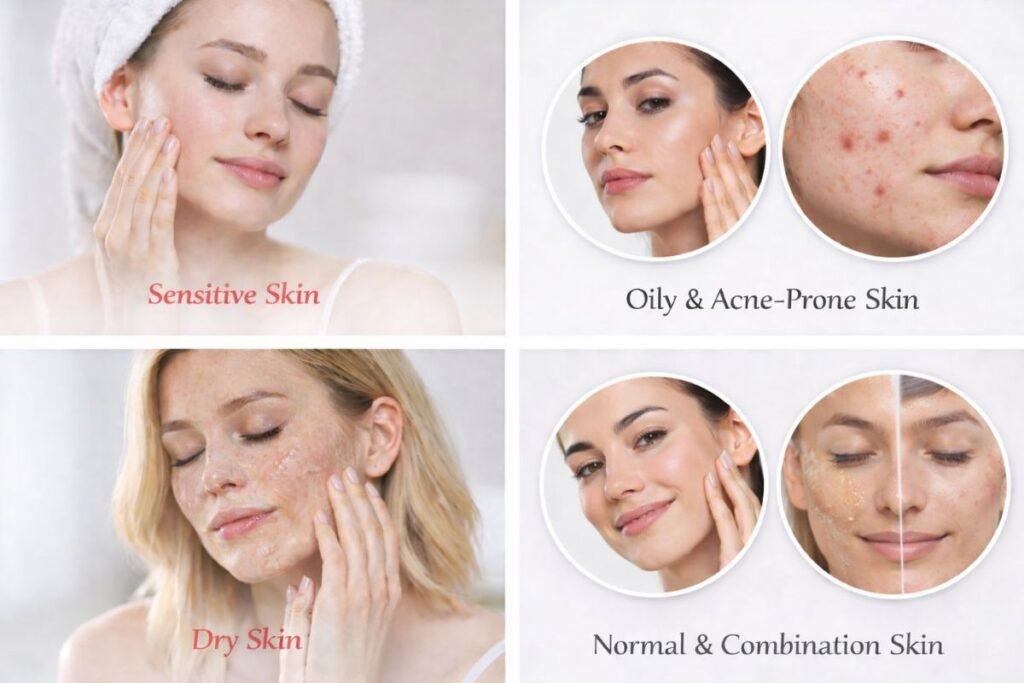
Selecting the right product is key:
- Sensitive Skin: Use gentle exfoliants like lactic acid or enzyme-based products.
- Oily/Acne-Prone Skin: Choose salicylic acid (BHA), which helps unclog pores and reduce acne.
- Dry Skin: Opt for gentle AHAs like glycolic acid or lactic acid to exfoliate while hydrating the skin.
- Normal/Combination Skin: A balance of both AHAs and BHAs works best to address different skin concerns.
3. Apply Exfoliant Evenly:
- Physical Exfoliants: Gently massage the product in circular motions for 30 seconds to 1 minute, focusing on rough patches. Avoid the sensitive under-eye area.
- Chemical Exfoliants: Apply a thin layer of the product over your face with your fingers or a cotton pad. Follow product instructions on how long to leave it on (typically 1–5 minutes).
4. Rinse and Pat Dry
After the recommended time, rinse your face thoroughly with lukewarm water to remove the exfoliant. Avoid hot water as it can be irritating.
5. Moisturize Immediately
To soothe your skin, apply a hydrating moisturizer to lock in moisture and restore your skin’s natural barrier.
How Often Should You Exfoliate Your Face?
The frequency of exfoliation depends on your skin type and the exfoliant you are using. Over-exfoliating can lead to irritation, dryness, and damage. Here’s a general guideline:
- Sensitive Skin: 1–2 times per week.
- Oily/Acne-Prone Skin: 2–3 times per week.
- Dry Skin: 1–2 times per week.
- Normal/Combination Skin: 2–3 times per week.
Start slow if you’re new to exfoliating and gradually increase the frequency as your skin builds tolerance.
Benefits of Exfoliating Your Face Regularly:
- Radiant Skin: Exfoliating removes the dead skin that causes a dull complexion, revealing glowing, fresh skin.
- Improved Texture: Regular exfoliation smooths rough patches and refines the texture of your skin.
- Prevention of Clogged Pores: Regular exfoliation prevents the build-up of dead skin cells, which can clog pores and lead to breakouts.
- Smoother Skin: Exfoliation removes flaky skin, providing a smoother surface and helping makeup apply more evenly.
- Youthful Appearance: By stimulating collagen production, exfoliation can reduce the appearance of fine lines and wrinkles over time.
Risks and Side Effects of Exfoliation:
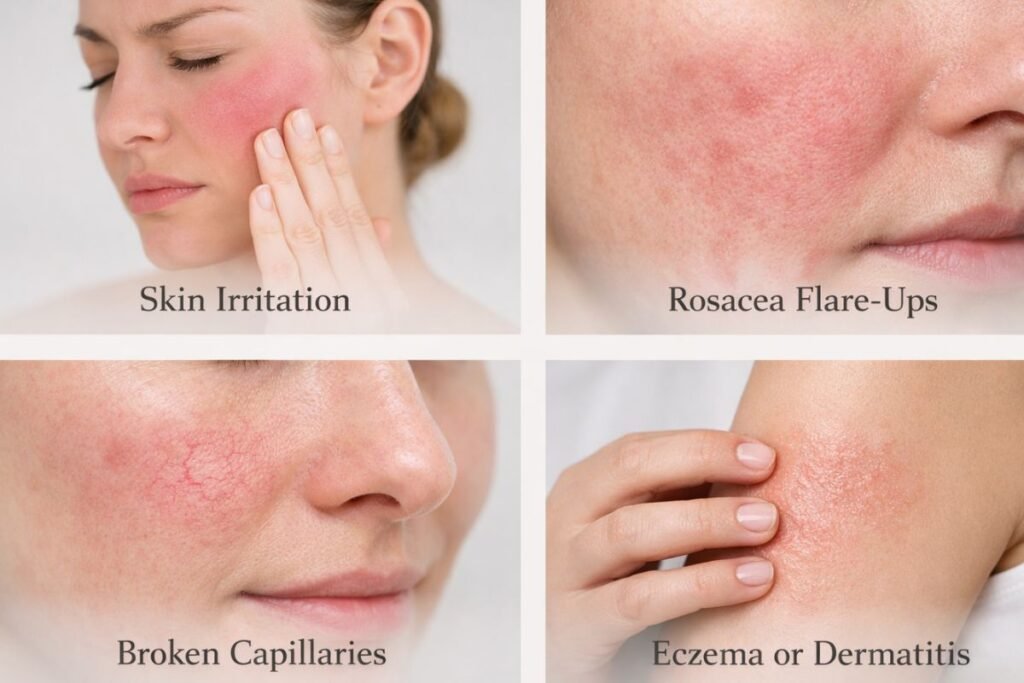
While exfoliation can be beneficial, it also carries risks if not done properly. Here are some side effects to be aware of:
- Skin Irritation: Over-exfoliating or using harsh products can cause redness, inflammation, or sensitivity.
- Rosacea Flare-Ups: Physical exfoliants may trigger rosacea symptoms, such as redness and irritation.
- Broken Capillaries: Excessive pressure from scrubbing or abrasive products can cause visible blood vessels, especially around the cheeks and nose.
- Eczema or Dermatitis: If you have eczema, exfoliation may worsen dryness or irritation.
- Increased Sun Sensitivity: Exfoliated skin is more prone to sunburn. Always wear sunscreen after exfoliating.
Important Safety Reminder
This guide is for educational purposes only. Always consult a board-certified dermatologist for diagnosis and treatment of medical skin conditions.
Frequently Asked Questions:
1. Can I exfoliate every day?
Exfoliating every day is not recommended for most skin types. Over-exfoliation can cause irritation. Most people benefit from exfoliating 1–3 times per week.
2. Can exfoliation cause acne?
If you use an abrasive scrub or exfoliate too often, it can irritate the skin and potentially worsen acne. Stick to gentle exfoliants and avoid overdoing it.
3. Should I exfoliate my face if I have sensitive skin?
If you have sensitive skin, opt for gentle exfoliants like lactic acid or enzyme-based products. Always perform a patch test first to ensure your skin reacts well.
4. What’s the best way to exfoliate dry skin?
For dry skin, choose AHAs like glycolic acid or lactic acid that provide gentle exfoliation while also hydrating the skin.