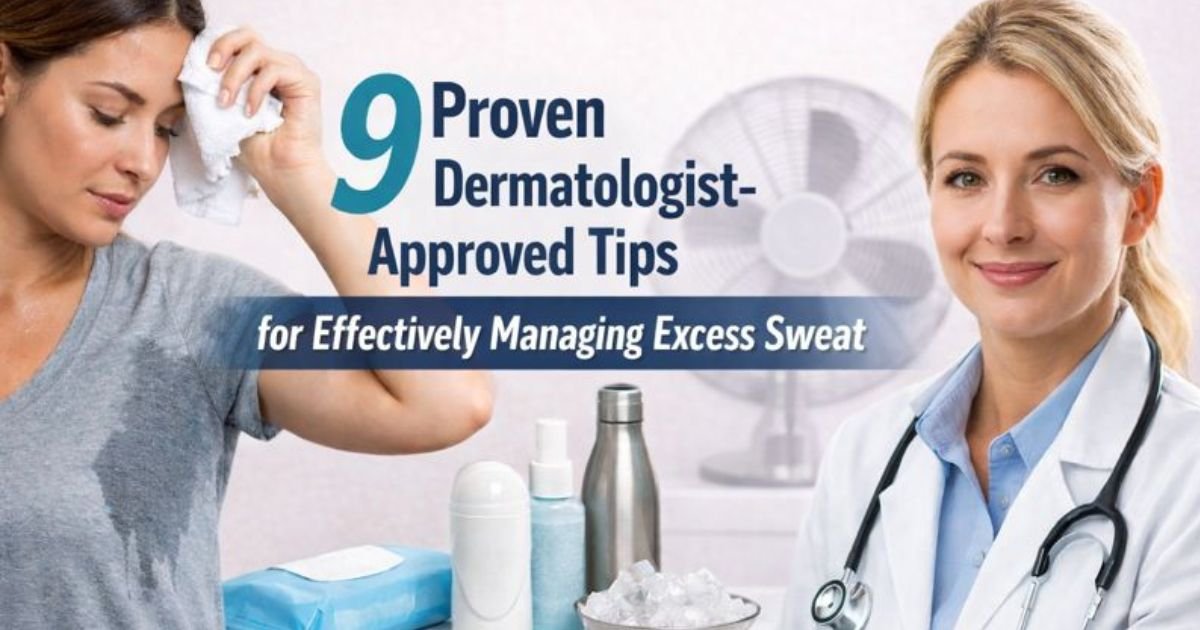
Excessive sweating, or hyperhidrosis, can feel like a constant battle. Whether it’s in your underarms, hands, feet, or face, managing sweat often seems like an ongoing struggle. The good news? You’re not alone, and effective solutions do exist. As a board-certified dermatologist with 20+ years of experience, I’ve helped thousands of clients worldwide manage this frustrating issue. In this guide, we’ll explore 9 proven dermatologist-approved tips that can help you regain control, confidence, and comfort in your daily life.
Who May Benefit & Who Should Avoid:
Who May Benefit:
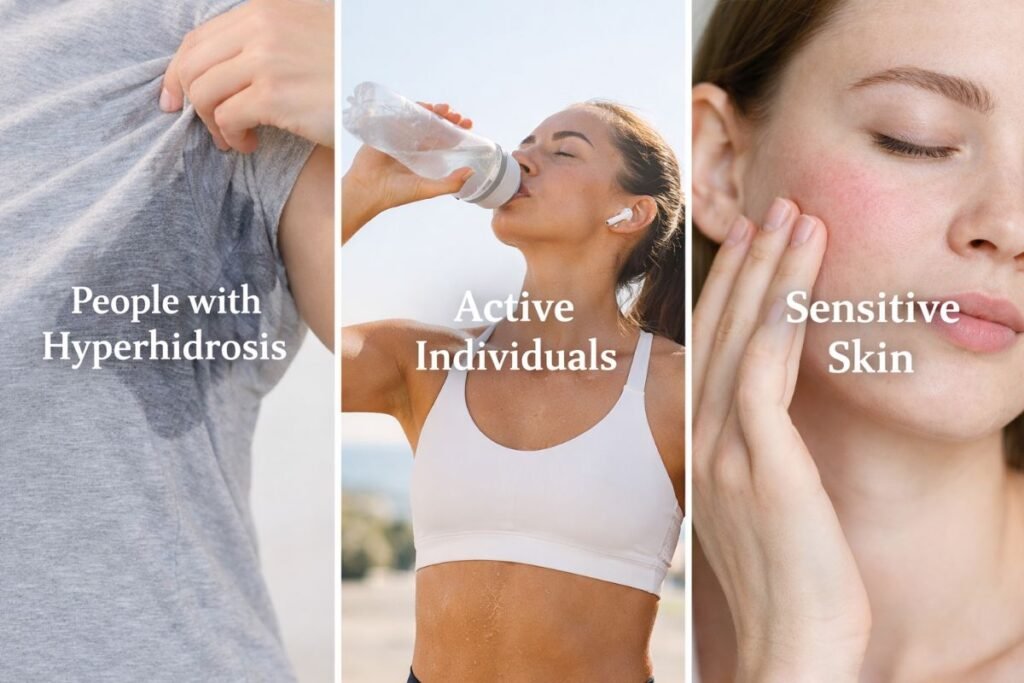
- People with Hyperhidrosis: If you experience excessive sweating, especially in specific areas like the underarms, palms, or soles of your feet, these tips may help reduce or control it.
- Active Individuals: If you sweat more than usual during physical activity or exposure to heat, these strategies can provide much-needed relief.
- Sensitive Skin Types: Those with sensitive skin can benefit from gentle, fragrance-free products that prevent irritation while controlling sweat.
Who Should Avoid:
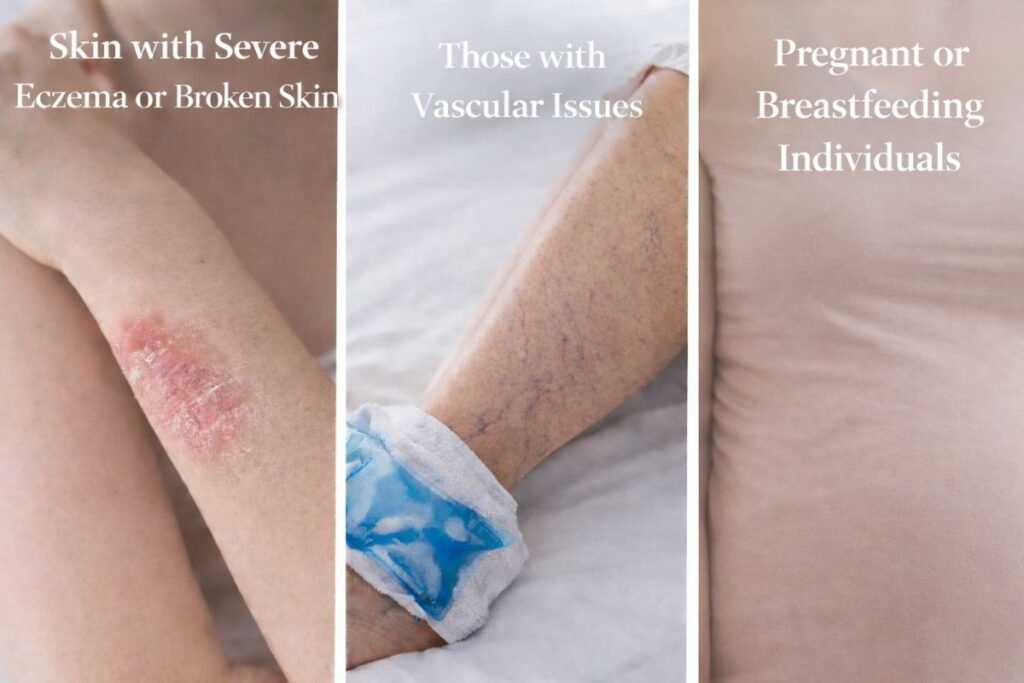
- Severe Eczema or Broken Skin: Sweating can worsen irritation. Always consult with a dermatologist before using any treatments if you have broken or irritated skin.
- Individuals with Vascular Issues: Certain treatments, such as extreme cooling methods, can exacerbate conditions like rosacea or broken capillaries.
- Pregnant or Breastfeeding Individuals: Some treatments or ingredients may not be safe. Always check with your healthcare provider before starting any new regimen.
How It Works: The Science Behind Sweat and Skincare:
Sweating is your body’s natural cooling system. When your internal temperature rises, sweat glands activate to release moisture, helping cool your skin. While this process is essential for thermoregulation, excessive sweating can lead to discomfort, odor, and irritation. Think of sweating as your body’s air conditioner. When it works properly, it’s fine, but if it’s constantly cranking, you need a way to adjust it.
Short-Term vs. Long-Term Effects:
- Temporary Relief: Products like antiperspirants or cooling gels work quickly, either blocking sweat or cooling the skin for a short period. They offer immediate relief, but the effect is usually temporary.
- Long-Term Management: Consistent treatments such as prescription-strength antiperspirants or Botox injections can provide longer-lasting solutions by addressing the root causes of sweating. These treatments may provide results that last 3-6 months before needing reapplication.
9 Proven Tips for Managing Excess Sweat :
Excessive sweating, also known as hyperhidrosis, can be a frustrating and sometimes embarrassing condition, whether it’s in the underarms, hands, feet, or face. Managing this issue may feel like an ongoing battle, but with the right strategies, you can regain comfort and confidence. Below, we explore 9 dermatologist-approved solutions that can help you tackle this problem effectively.
1. Use Prescription-Strength Antiperspirants:
For those with excessive sweating, over-the-counter antiperspirants may not be enough. Dermatologists recommend prescription-strength antiperspirants, which contain higher concentrations of aluminum chloride, a key ingredient that blocks sweat glands more effectively. Apply these antiperspirants at night before bed when your sweat glands are less active, allowing the product to work more efficiently.
How It Works:
Prescription antiperspirants work by temporarily blocking sweat ducts, reducing the amount of sweat that reaches the skin’s surface. Over time, this can help minimize the body’s sweat production in specific areas.
2. Try Botox Injections for Long-Term Relief:
Botox injections aren’t just for cosmetic use. For people with severe hyperhidrosis, Botox can temporarily block the signals that trigger sweating in areas such as the underarms, hands, and feet. A series of small injections helps control sweating for 3 to 6 months, and it’s one of the most effective long-term treatments available.
How It Works:
Botox works by blocking the neurotransmitter that signals your sweat glands to release moisture. The result is a temporary reduction in sweating, offering relief for several months.
3. Incorporate Cooling Gels and Mists Into Your Routine:
Cooling gels, sprays, or mists are a quick and effective way to relieve discomfort caused by excessive sweating. These products help cool down the skin and absorb moisture, offering temporary relief. Dermatologists recommend using them throughout the day, especially in warm weather or after physical activity.
How It Works:
Cooling products provide instant temperature relief, reducing the immediate feeling of sweating and discomfort. They help calm skin irritation and provide refreshing relief, but the effect is typically short-lived.
4. Choose Breathable Fabrics:
What you wear plays a significant role in how much you sweat. Choose breathable fabrics like cotton, linen, or moisture-wicking materials that help draw moisture away from your skin. Avoid tight-fitting clothes, as they can trap heat and sweat. Light, loose clothing is best to allow air circulation and reduce sweat buildup. Additionally, consider antiperspirant clothing that has been treated to help manage sweat in areas like the underarms or feet.
How It Works:
Breathable fabrics allow your skin to stay cooler and help wick away sweat, reducing the discomfort caused by trapped moisture and sweat buildup. Loose clothing also prevents the skin from overheating, which can trigger excessive sweating.
5. Exfoliate Your Skin Regularly:
Exfoliating your skin helps remove dead skin cells that can clog pores and contribute to excessive sweating. Gentle exfoliation can help improve the effectiveness of antiperspirants by ensuring that your sweat glands aren’t blocked. Use a mild exfoliating scrub or a product containing glycolic acid to refresh your skin and prevent blocked pores that could lead to irritation and increased sweating.
How It Works:
Exfoliating removes dead skin cells and debris that can block sweat ducts. This allows your antiperspirants to penetrate the skin more effectively, leading to better sweat control.
6. Stay Hydrated:
Although it may seem counterintuitive, staying hydrated can help manage sweating. When your body is well-hydrated, it can better regulate its internal temperature. Sweat is the body’s way of cooling itself down, and dehydration can worsen this process.
How It Works:
Adequate hydration helps regulate body temperature, preventing overheating. When your body is dehydrated, it tends to sweat more to compensate for the lack of moisture. Drinking water helps maintain a balanced body temperature and reduces the body’s need to sweat excessively.
7. Avoid Spicy Foods, Caffeine, and Hot Drinks:
Certain foods and drinks can trigger excessive sweating. Spicy foods, caffeine, and hot drinks are known to stimulate sweat glands, especially in sensitive individuals. Limiting these can help reduce unnecessary sweating. Try switching to cooler drinks and avoiding meals that include chili peppers, garlic, and onions, which are common sweat-inducing ingredients.
How It Works:
Spicy foods and caffeine stimulate the sympathetic nervous system, which can trigger sweat production. By cutting back on these triggers, you can reduce your body’s need to sweat in response.
8. Maintain a Consistent Skincare Routine
One of the most important aspects of managing excess sweat is maintaining a consistent skincare routine. Apply antiperspirants before bed, incorporate cooling gels during the day, and moisturize your skin regularly. Be sure to choose products that are gentle and dermatologist-approved, particularly if you have sensitive skin. Stick to this routine for several weeks to see noticeable improvements.
How It Works:
Regular use of the right products will ensure your sweat management system remains consistent and effective. Consistency helps build long-term control and ensures that your skin stays healthy while managing sweat.
9. Consult a Dermatologist for Personalized Treatments:
If your sweating is severe or doesn’t respond to over-the-counter treatments, it’s time to consult a dermatologist. Dermatologists can recommend a tailored treatment plan that might include prescription-strength antiperspirants, Botox injections, or even iontophoresis (a procedure that uses a mild electrical current to reduce sweat). A dermatologist will also help rule out any underlying medical conditions that may be contributing to excessive sweating.
How It Works:
Dermatologists can prescribe treatments based on the severity and specific areas of your hyperhidrosis. Whether through Botox, iontophoresis, or medications, these targeted treatments help reduce sweating at the source, offering long-term relief.
Conclusion: Regain Control Over Excessive Sweat:
Excessive sweating doesn’t have to control your life. With these 9 proven, dermatologist-approved tips, you can significantly reduce sweat and boost your confidence. Whether you’re dealing with sweaty hands, feet, or underarms, there’s a solution to help manage the discomfort and embarrassment associated with this condition. By following these strategies and consulting with your healthcare provider, you can regain control over your sweat and enjoy a more comfortable, confident lifestyle.
Safe Frequency & Routine Placement:
How Often Should You Treat Excess Sweat?
- Antiperspirants: Apply 2-3 times per week or as tolerated, preferably at night when sweat glands are less active.
- Cooling Gels and Mists: Use 1-2 times per day for freshening up and providing immediate relief.
- Prescription Treatments (e.g., Botox): These are typically administered every 6–12 months depending on the severity of the condition.
Skincare Routine Placement:
- Cleanser: Start with a gentle cleanser to remove dirt, oil, and sweat.
- Antiperspirant: Apply before bed for maximum absorption and effectiveness.
- Cooling Gel/Mist: Use during the day as needed for quick relief.
- Moisturizer: Always follow with a gentle, non-comedogenic moisturizer, especially for your face or hands.
Targeting Top Concerns:
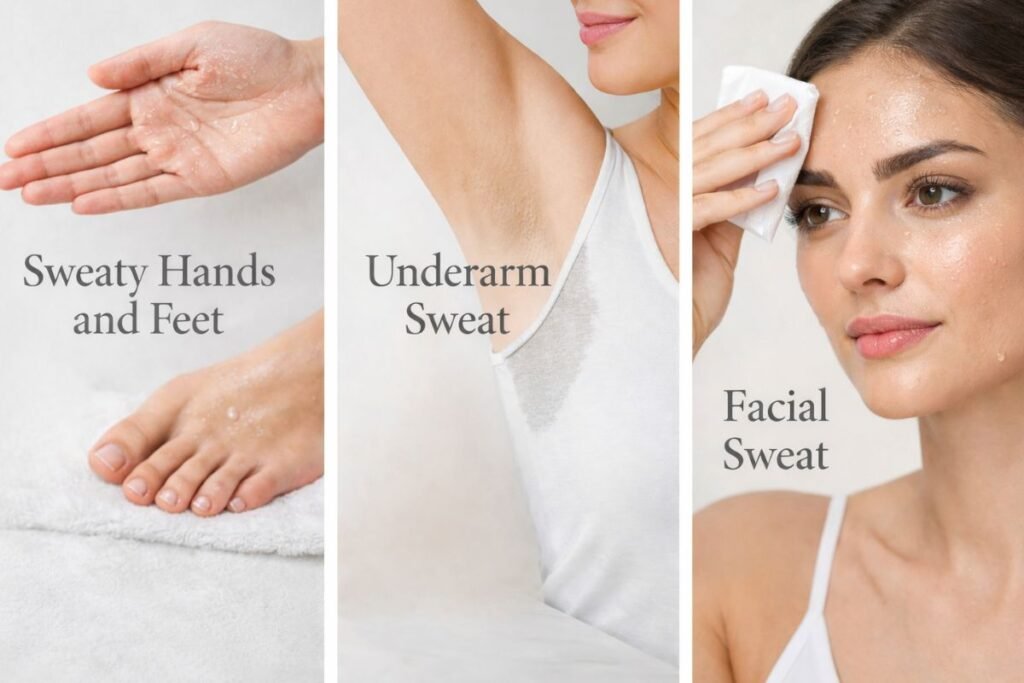
1. Sweaty Hands and Feet
Hands and feet sweat excessively in some individuals due to overactive sweat glands. Solutions such as antiperspirant wipes, botox injections, and powders are beneficial. You can also try foot powders or antiperspirant sprays specifically designed for hands and feet.
2. Underarm Sweat
Over-the-counter antiperspirants often aren’t enough to tackle underarm hyperhidrosis. Consider products with aluminum chloride or prescription-strength options. Applying antiperspirants before bed will ensure maximum effectiveness.
3. Facial Sweat
Excessive sweating on the face can be more challenging due to skin sensitivity. Cooling gels or botox injections may offer longer-lasting results. For everyday management, look for oil-free mattifying products and sweat-blocking moisturizers.
Safety Rules & Warning Signs:
When to Stop & Seek Help:
- Ice Burn: Extreme cooling treatments can cause ice burn if not used properly. If you experience redness or discomfort, stop using the treatment and consult your dermatologist.
- Rosacea Flare: Cooling methods may trigger flare-ups in individuals with rosacea or sensitive skin.
- Eczema Irritation: If you have eczema, excessive sweating can worsen symptoms. If this happens, consult your dermatologist for alternative treatments.
Realistic Results Timeline:
- Week 1-2:
- You’ll likely experience temporary relief with antiperspirants or cooling products. Your skin may feel fresher, but sweating may still occur in some areas.
- Month 1:
- Antiperspirants will provide more consistent results. Botox injections will begin to show effects if used. Expect a reduction in sweat with sustained use.
- Month 3:
- By this time, you should notice significant improvements in sweat reduction. Botox or prescription-strength antiperspirants may need reapplication after 3–6 months for continued results.
Common Mistakes & How to Fix Them:
- Mistake 1: Applying Antiperspirants in the Morning
- Fix It: Apply antiperspirants at night to allow ingredients to fully absorb and block sweat while your sweat glands are less active.
- Mistake 2: Using Harsh, Alcohol-Based Products
- Fix It: Opt for gentle, alcohol-free formulas to prevent skin irritation and dryness.
- Mistake 3: Expecting Instant Results from Clinical Treatments
- Fix It: Give clinical treatments time to work. For example, Botox results typically last 3–6 months, so plan for regular follow-ups.
- Mistake 4: Inconsistent Use of Products
- Fix It: Stick to your routine and apply treatments consistently to achieve long-term results.
FAQs:
1. Can Botox injections really help with sweating?
Yes, Botox can block the sweat signals in targeted areas like underarms, hands, and feet, providing long-term relief. It works by temporarily blocking the nerve signals that trigger sweat.
2. What ingredients should I look for in sweat-control products?
Look for ingredients like aluminum chloride, glycolic acid, and sodium bicarbonate. These help reduce sweat production and control moisture.
3. Is it safe to use antiperspirants daily?
Yes, but choose gentle, dermatologist-approved products. Over-the-counter options are best used 2–3 times per week, while prescription-strength products can be used as tolerated.
4. How can I prevent body odor from sweating?
Along with antiperspirants, wearing breathable fabrics and using deodorizing foot powders can help control odor. Choose moisture-wicking clothing to keep sweat under control.