Acne is a common skin condition that affects millions of people worldwide, often leading to frustration and confusion about how to treat it effectively. If you’re looking for natural, at-home remedies to help manage acne, you’re in the right place. While acne treatments can be overwhelming, there are several evidence-based natural approaches that may help reduce breakouts and improve skin health over time. This guide will break down safe, natural solutions that are supported by research, helping you navigate the journey to clearer, healthier skin.
Understanding Acne:
Acne occurs when hair follicles become clogged with oil, dead skin cells, or bacteria, leading to inflammation. Key causes include:
- Excess oil production from sebaceous glands
- Clogged pores from dead skin cells
- Bacterial growth, especially Propionibacterium acnes
- Hormonal changes that increase oil production
- Inflammation caused by the immune response to clogged pores
Who May Benefit & Who Should Avoid:
Who May Benefit:
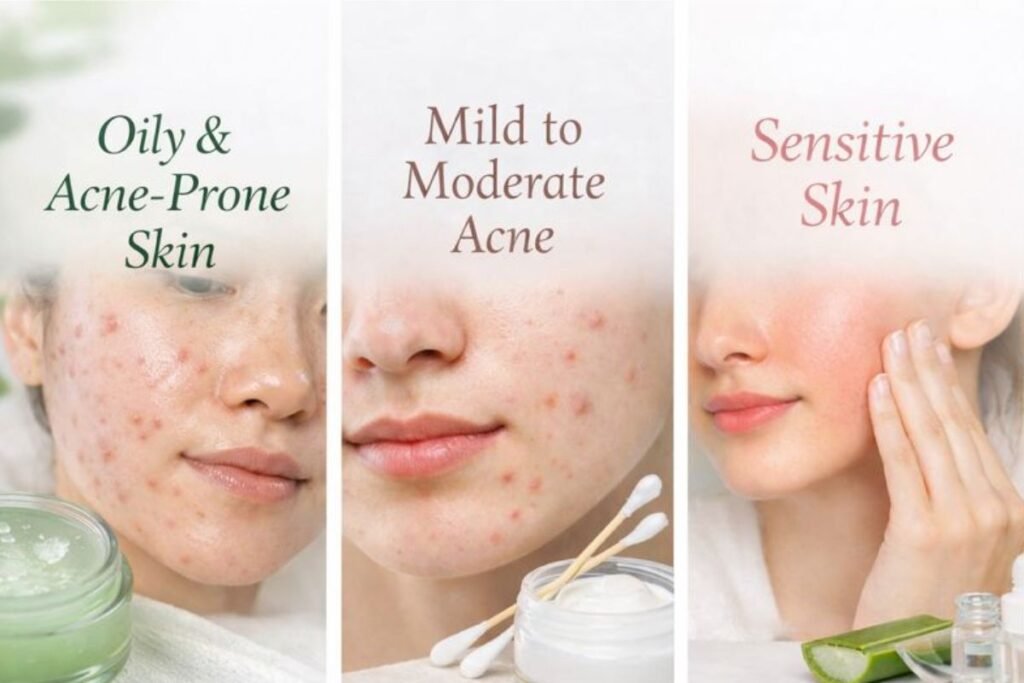
- Oily & Acne-Prone Skin: Those with oily skin types often have clogged pores, leading to breakouts. Natural treatments can help balance oil production.
- Mild to Moderate Acne: Individuals with non-inflammatory acne like blackheads, whiteheads, or small pimples may benefit most from at-home remedies.
- Sensitive Skin: If your skin is sensitive to commercial acne treatments, natural solutions may offer a gentler alternative.
Who Should Avoid:
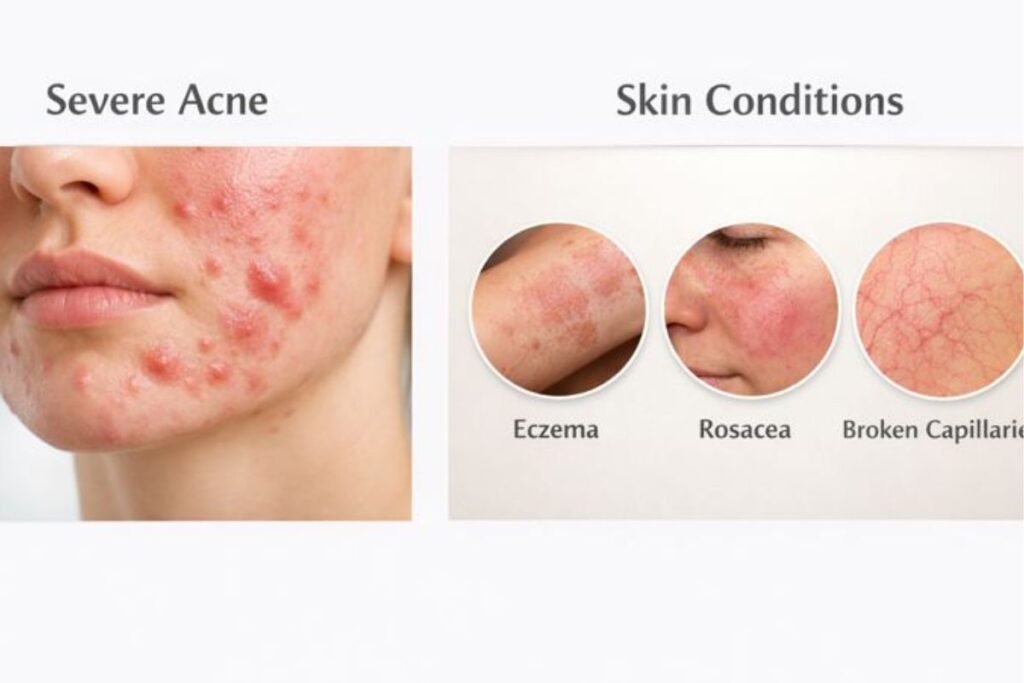
- Severe Acne: Individuals with cystic or nodular acne (large, painful bumps under the skin) should seek professional care from a dermatologist, as these conditions may require prescription treatments.
- Skin Conditions: Those with conditions like eczema, rosacea, or broken capillaries should avoid harsh treatments like ice or acidic ingredients, as they may trigger flare-ups.
Top Natural Remedies for Acne:
Here are natural treatments that target the causes of acne and help support healthier skin:
1. Tea Tree Oil
- Why It Works: Tea tree oil is a natural antimicrobial agent that helps reduce acne-causing bacteria and has anti-inflammatory properties to reduce swelling and redness.
- How to Use:
- Dilute 1-2 drops with a carrier oil (e.g., jojoba or coconut oil).
- Apply directly to the affected area using a cotton swab.
- Frequency: Use 2-3 times per week. Overuse may cause irritation.
2. Aloe Vera
- Why It Works: Aloe vera is soothing and healing, reducing inflammation and redness, making it ideal for irritated skin.
- How to Use:
- Apply fresh aloe vera gel directly to the affected areas.
- Alternatively, use aloe vera-based gels or creams available in the market.
- Frequency: Can be used daily, both in the morning and at night.
3. Honey
- Why It Works: Honey has natural antibacterial properties that help prevent the growth of acne-causing bacteria while also hydrating the skin.
- How to Use:
- Apply a thin layer of raw, organic honey to the affected areas.
- Leave it on for 10-15 minutes, then rinse off with lukewarm water.
- Frequency: Apply 2-3 times a week. Honey can also be used as a face mask for deeper hydration.
4. Apple Cider Vinegar
- Why It Works: ACV helps balance the skin’s pH, exfoliate dead skin cells, and reduce clogged pores. Its acetic acid also has antimicrobial properties.
- How to Use:
- Mix 1 part apple cider vinegar with 3 parts water to dilute it.
- Apply to the skin with a cotton ball or pad.
- Leave on for 10-15 minutes, then rinse off with lukewarm water.
- Frequency: Apply 2-3 times a week, especially for oily areas or congested pores.
5. Salicylic Acid (From Natural Sources)
- Why It Works: Derived from willow bark, salicylic acid is an effective exfoliant that penetrates pores to remove dead skin cells and prevent clogging.
- How to Use:
- Use over-the-counter products containing salicylic acid (such as cleansers or toners).
- Look for products with natural willow bark extract for a gentler option for sensitive skin.
- Frequency: Use daily as part of your skincare routine or as directed on product packaging.
Other Helpful Natural Ingredients
- Jojoba Oil: Mimics the skin’s natural oils and helps balance oil production, making it ideal for oily and acne-prone skin.
- Witch Hazel: A natural astringent that reduces inflammation and tightens the skin.
- Green Tea Extract: Contains antioxidants that reduce acne inflammation and redness. Can be applied topically or consumed.
How Natural Treatments Work for Acne
Natural treatments address the main causes of acne:
- Excess sebum production: Ingredients like tea tree oil and jojoba oil help balance oils and prevent clogged pores.
- Bacterial growth: Honey, tea tree oil, and apple cider vinegar combat acne-causing bacteria.
- Exfoliating dead skin cells: Natural exfoliants like salicylic acid and apple cider vinegar help remove dead skin and promote new skin cell turnover.
- Reducing inflammation: Aloe vera and honey calm irritated skin and reduce redness.
Frequency and Timing for Effective Acne Treatment:
Routine:
- Cleanser: Twice daily (morning and evening)
- Treatment: 2–3 times per week, depending on your skin’s tolerance
- Moisturizer & Sunscreen: Daily use is essential to protect and hydrate your skin, especially when using exfoliating treatments like acids or oils.
Frequency:
Consistency is key! Incorporate natural treatments into your routine gradually, starting with 2–3 times per week, and increase frequency as tolerated.
Targeting Top Concerns:
1. How to Control Excess Oil
If you have oily skin, it’s important to balance your skin’s natural oil production. Using natural oils like jojoba oil may seem counterintuitive, but it can help regulate sebum production. Studies have shown that jojoba oil mimics your skin’s natural oils, preventing it from overproducing oil.
2. How to Prevent New Breakouts
Exfoliating the skin regularly is essential to prevent clogged pores. Salicylic acid from natural sources like willow bark or beta hydroxy acids (BHAs) can help with this. By removing dead skin and promoting cell turnover, you can significantly reduce the likelihood of new breakouts.
Safety Rules & Warning Signs:
When to Stop:
- Irritation: If you notice persistent irritation or redness (especially when using potent ingredients like tea tree oil or apple cider vinegar), reduce frequency or stop use entirely.
- Excessive Dryness: Natural treatments like honey or salicylic acid can dry out your skin, so always follow up with a moisturizer.
- Pain or Swelling: If you experience painful reactions, discontinue use and consult with a dermatologist.
Tips to Mitigate Side Effects:
- Patch Test: Always do a patch test before using any new product to check for allergic reactions.
- Hydration: Keep your skin hydrated with a non-comedogenic moisturizer to prevent dryness from exfoliating treatments.
Realistic Results Timeline:
- Week 1–2: You may notice some temporary improvement in redness and swelling. While your acne may not be fully cleared, natural remedies can start to soothe inflammation.
- Month 1: Over the next month, acne-prone areas may become less inflamed, and you’ll see fewer new breakouts. Consistency is essential at this stage.
- Month 3: By the third month, you should start to notice a clearer complexion, reduced oil production, and fewer clogged pores. However, the timeline for optimal results varies depending on skin type and severity.
Common Mistakes & How to Fix Them:
1. Using Too Many Ingredients
Mistake: Trying every acne remedy at once can overwhelm your skin.
Fix It: Stick to 1–2 key ingredients for your routine and introduce new treatments slowly.
2. Inconsistent Application
Mistake: Skipping treatments or not applying products consistently can delay progress.
Fix It: Set a reminder to follow your skincare routine daily, especially with treatments like masks or exfoliants.
3. Over-Exfoliating
Mistake: Exfoliating too frequently can cause dryness or irritation.
Fix It: Exfoliate 2–3 times per week, depending on how your skin responds.
4. Not Using SPF
Mistake: Natural treatments, especially those with acids, can make your skin more sensitive to the sun.
Fix It: Apply a broad-spectrum sunscreen daily, even when indoors.
FAQs:
1. Can natural acne treatments completely replace prescription medications?
No, natural treatments can help manage mild acne, but they may not be effective for severe cases. Always consult a dermatologist for severe acne.
2. How long will it take to see results from natural acne treatments?
It can take several weeks to see visible improvements. Patience and consistency are key.
3. Are there any risks with using natural treatments?
Yes, some natural ingredients can cause irritation or allergic reactions. Always do a patch test first and monitor your skin’s response.
4. Can I combine natural treatments with over-the-counter products?
Yes, you can combine them, but it’s essential to avoid over-exfoliating or irritating your skin. Consult a dermatologist if you’re unsure.