By late summer, small beauty problems tend to arrive together. Sweat and water-resistant sunscreen can leave your pores congested, air conditioning may make your skin feel tight, and weeks of sun, salt water or chlorine often show up as rough hair ends. This late-summer glow-up checklist for skin, hair and body helps you address that buildup without attacking everything with harsh scrubs and strong treatments.
A useful reset shouldn’t require an entirely new product shelf or an exhausting day in the bathroom. The goal is to remove residue, restore moisture and tidy the areas that products can’t permanently repair. Spread the steps across seven to ten days so your skin and scalp have time to respond.
Direct answer: A practical late-summer glow-up checklist for skin, hair and body should remove buildup, restore lost moisture and protect against further UV exposure. Treat your face, scalp and body over several days instead of completing every treatment in one session. Keep sunscreen daily, introduce only one exfoliant and trim hair damage that products can’t permanently repair.
Why Your Routine Feels Less Effective by Late Summer
Hot weather doesn’t affect every part of your routine in the same way. Humidity and sweat can increase surface oil and congestion while sun exposure, swimming and indoor air conditioning leave the deeper layers feeling dehydrated. This combination explains why skin can look shiny yet feel tight and why hair can have greasy roots with dry, tangled ends.
The biggest mistake is treating every issue as excess oil or dead skin. More cleansing and exfoliation may temporarily make your face or scalp feel cleaner, but they can also weaken the moisture barrier and create more irritation. A better approach separates buildup, dehydration, pigmentation and physical damage so each problem receives the right treatment.
How to Use This Late-Summer Glow-Up Checklist
Complete the cleansing and moisture steps first, then wait until your skin feels calm before adding exfoliation or brightening products. Hair clarifying, deep conditioning and trimming can happen on separate days so you can see which step makes the greatest difference. If a product stings, causes persistent redness or makes your skin feel unusually tight, stop using it instead of assuming discomfort means it’s working.
1. Assess Your Skin Before Adding Treatments
Wash your face with a gentle cleanser, wait about 20 minutes and examine it in natural light without applying anything. Tightness, stinging and shiny-but-dehydrated skin usually point toward barrier stress, while blackheads and small closed bumps are more consistent with congestion. If plain moisturizer burns or your face is peeling, pause acids, scrubs, retinoids and strong vitamin C products until it feels comfortable again. Treating the condition you actually have is more useful than following a generic “deep-cleaning” routine.
2. Remove Sunscreen Without Stripping Your Face
At night, massage a fragrance-free cleansing balm or oil over dry skin, add water to emulsify it and follow with a mild water-based cleanser. The first cleanser dissolves makeup and water-resistant sunscreen, while the second removes sweat and any residue left behind. Keep each cleanse brief and use lukewarm water because long washing sessions and hot water remove protective surface lipids. If you don’t wear makeup or water-resistant sunscreen, one thorough cleanse may be enough.
3. Restore Water and Barrier Lipids Together
Apply a hydrating serum or lightweight lotion to slightly damp skin, then cover it promptly with moisturizer. Humectants such as glycerin, panthenol and hyaluronic acid attract water, while ceramides, cholesterol and fatty acids help slow that water from escaping. A humectant serum used alone may feel sticky without relieving tightness, especially in dry climates or heavily air-conditioned rooms. Choose a gel-cream for oily skin or a richer fragrance-free cream when your skin feels dry and easily irritated.
Pro Tip: Apply a thin layer of moisturizer around your nose, mouth and under-eye area before using an active. These thin, crease-prone areas often become irritated before the rest of your face.
4. Exfoliate Only the Areas That Need It
Use salicylic acid on oily, congested areas because it can travel through oil inside the pore, making it useful for blackheads around the nose and chin. Lactic or mandelic acid works closer to the skin’s surface and may suit dry, rough texture better. Start with one exfoliant once weekly and don’t use a scrub, retinoid or second acid during the same evening. I once combined an acid treatment with a facial scrub because my skin looked dull, and the resulting redness lasted much longer than the dullness.
5. Treat Uneven Tone Gradually
New freckles and dark patches may become more noticeable after repeated sun exposure, but an aggressive peel isn’t a safe shortcut. Niacinamide can support the barrier while helping with visible unevenness, whereas a well-formulated vitamin C serum may suit skin that already tolerates active ingredients. Retinoids can improve uneven texture and tone over several months, but beginners should introduce them at night only two or three times weekly. Patch-test unfamiliar products and never apply acids or retinoids to sunburned, peeling or actively irritated skin.
UV-related cellular damage itself can’t be completely reversed, although consistent protection and treatment can improve its visible effects, including discoloration and rough texture. This distinction matters because cosmetic products can support healthier-looking skin without erasing the history of sun exposure. The Cleveland Clinic’s photoaging guidance also explains the difference between treating visible changes and reversing underlying DNA damage.
6. Keep Sunscreen in Daily Rotation
Apply a broad-spectrum, water-resistant SPF 30 or higher to exposed skin, including your ears, hairline, chest, hands and the tops of your feet. Use enough to create an even film and let it settle before adding makeup, since a thin or patchy application won’t provide the protection listed on the label. When you’re outdoors, reapply approximately every two hours and after swimming, toweling off or heavy sweating, as advised by the American Academy of Dermatology. A tinted formula containing iron oxides may be helpful when visible light contributes to dark marks, but comfortable and consistent application matters more than chasing a fashionable texture.
7. Clarify Your Scalp and Hair Once
Sweat, dry shampoo, styling products and pool minerals can make freshly washed hair feel heavy or coated. Use a clarifying or swimmer’s shampoo for one wash, concentrating the lather on your scalp and allowing the suds to rinse through the lengths. Clarifying shampoo removes residue but doesn’t permanently repair damaged fibers, so follow it with conditioner and avoid using it at every wash unless your buildup returns quickly. The American Academy of Dermatology’s summer hair guidance also recommends rinsing after swimming, then shampooing and conditioning to remove chlorine and restore moisture.
8. Condition According to Your Hair Type
Apply conditioner or a hair mask from the mid-lengths to the ends, where sun exposure, coloring and friction have caused the most weathering. Fine or straight hair usually responds better to lightweight conditioning agents, while coarse, curly or bleached hair can often handle richer creams containing oils, fatty alcohols or silicones. Silicones aren’t automatically harmful because they reduce friction and temporarily smooth a rough cuticle, although they can’t rebuild a split fiber. I’ve left rich masks on fine hair for hours and received flatter hair rather than better repair, so follow the label’s timing instead of assuming longer is better.
9. Trim Damage That Products Can’t Fix
Split ends can be coated temporarily, but they can’t be fused back together permanently with oil, conditioner or a bonding mask. A small trim often makes the ends look fuller and healthier faster than repeatedly adding richer products. Ask for a “dusting” if you want to preserve length, which tells the stylist to remove only the thin or visibly split tips. If you trim at home, work on dry, detangled hair with proper hair shears because dull household scissors can crush the fiber and leave another rough edge.
10. Smooth Rough Body Skin With Leave-On Care
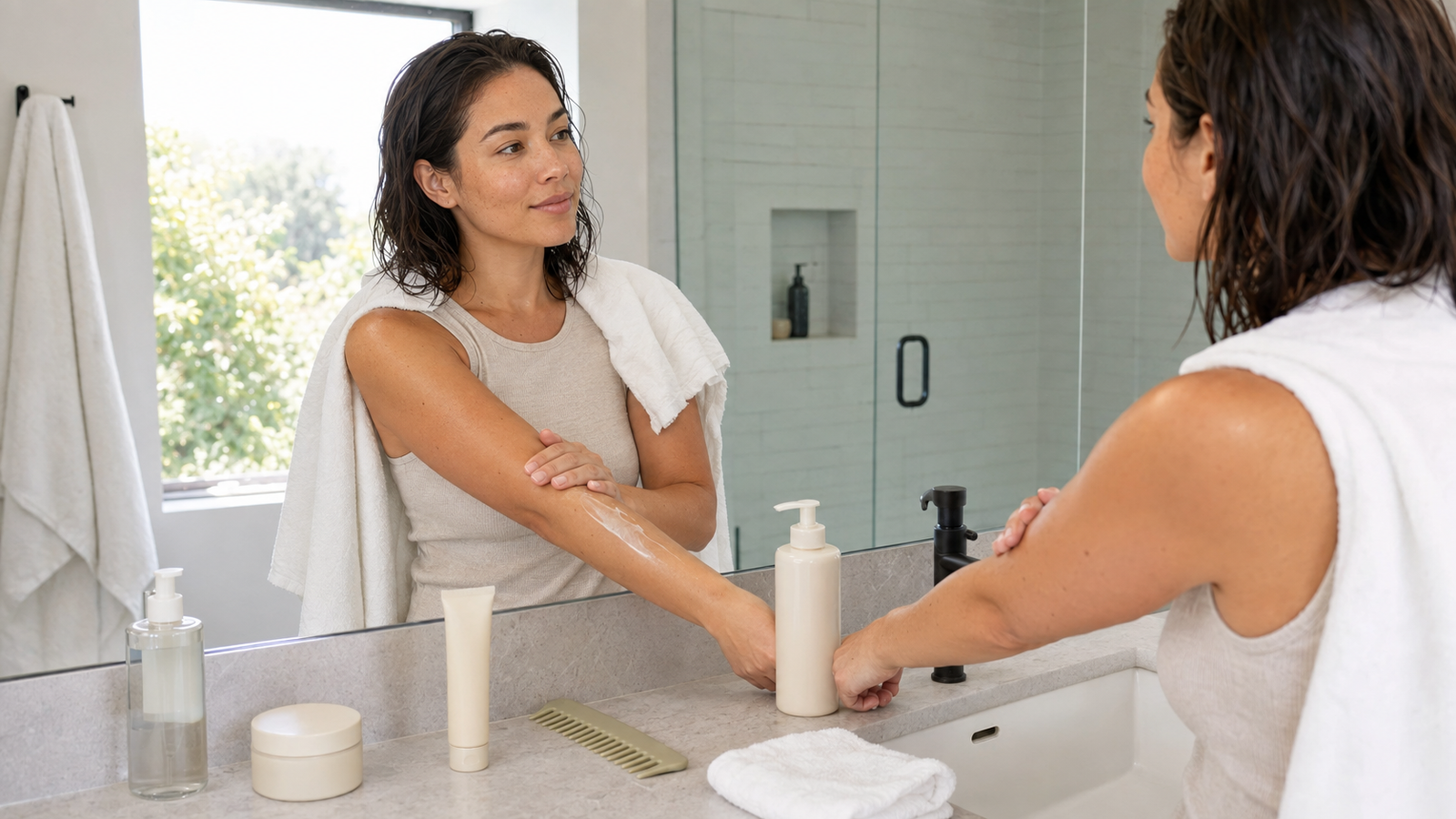
Apply a body lotion containing lactic acid, salicylic acid or urea to rough upper arms, thighs, knees or heels after showering. These ingredients loosen compacted dead cells while the lotion base replaces moisture, making them more useful for ongoing texture than an occasional harsh body scrub. Urea works well on thick, dry areas, salicylic acid suits clogged follicles and lactic acid combines surface exfoliation with humectant properties. The American Academy of Dermatology’s keratosis pilaris advice recommends moisturizers containing urea or lactic acid and applying them shortly after bathing.
Watch Out: Don’t apply exfoliating body lotion immediately after shaving if your skin tends to sting. Alternate shaving and exfoliation days until you know how your skin responds.
11. Reset Shaving and Body-Breakout Habits
Replace a dull razor, clean the handle and shave near the end of a warm shower when the hair has softened. Use a fragrance-free shave gel, move the razor in the direction of hair growth and avoid repeatedly scraping the same area. For chest or back breakouts, try either a salicylic acid wash or benzoyl peroxide wash a few times weekly, allowing it to sit briefly before rinsing. Benzoyl peroxide can bleach fabric and both ingredients may cause dryness, so introduce only one and follow with a non-comedogenic moisturizer.
12. Give Hands, Feet and Lips Targeted Care
Hands, lips and feet often stay rough because ordinary body lotion doesn’t remain on them long enough to work. Apply a thick fragrance-free cream to damp hands after washing, use an SPF 30 lip product during the day and cover heels with a urea-based foot cream before putting on cotton socks. Avoid cutting calluses or peeling loose skin because small injuries can become painful and take time to heal. Deep cracks, swelling, signs of infection or persistent foot changes should be assessed by a healthcare professional, particularly if you have diabetes or poor circulation.
13. Clean the Tools and Fabrics Touching You
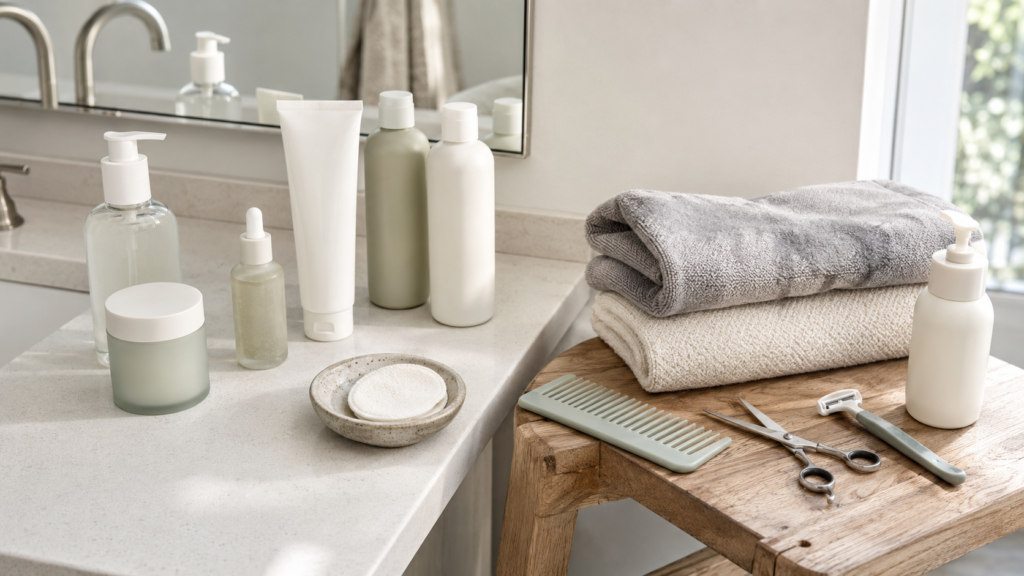
Finish the late-summer glow-up checklist for skin, hair and body by washing makeup brushes, pillowcases, hats, headbands and reusable hair towels. Remove trapped hair and product residue from combs and brushes, wipe down your phone and replace any razor that drags across the skin. This won’t “detox” your face or scalp, but it reduces the transfer of sweat, oil and old product back onto freshly cleansed areas. Replace expired sunscreen, old mascara and anything whose smell, color or texture has noticeably changed.
Good to Know: Don’t start several new products on the same day. Add them a few days apart so you can identify which product improves your routine and which one causes irritation.
A Realistic Seven-Day Reset Schedule
On the first two days, assess your face, simplify cleansing, wash your pillowcase and complete one clarifying hair wash followed by conditioner. Use the middle of the week to introduce a body lotion, clean your grooming tools and trim damaged hair ends or schedule a dusting. Near the end of the week, use one targeted facial exfoliant only if your barrier feels calm, then check your sunscreen and discard expired products. Keep the steps that solve a real problem instead of turning the reset into another complicated routine.
What This Checklist Won’t Fix Overnight
Hydration and grooming can improve comfort and appearance within several days, but acne, pigmentation, keratosis pilaris and significant hair damage need more time. Consistent body care may take four to six weeks to noticeably smooth texture, while retinoid-related changes often take several months. Products can soften dry ends and reduce breakage, but they can’t permanently repair split ends or restore hair that has already broken away. A late-summer reset should leave you looking fresher and feeling more comfortable, not promise a completely different face, body or hair texture.