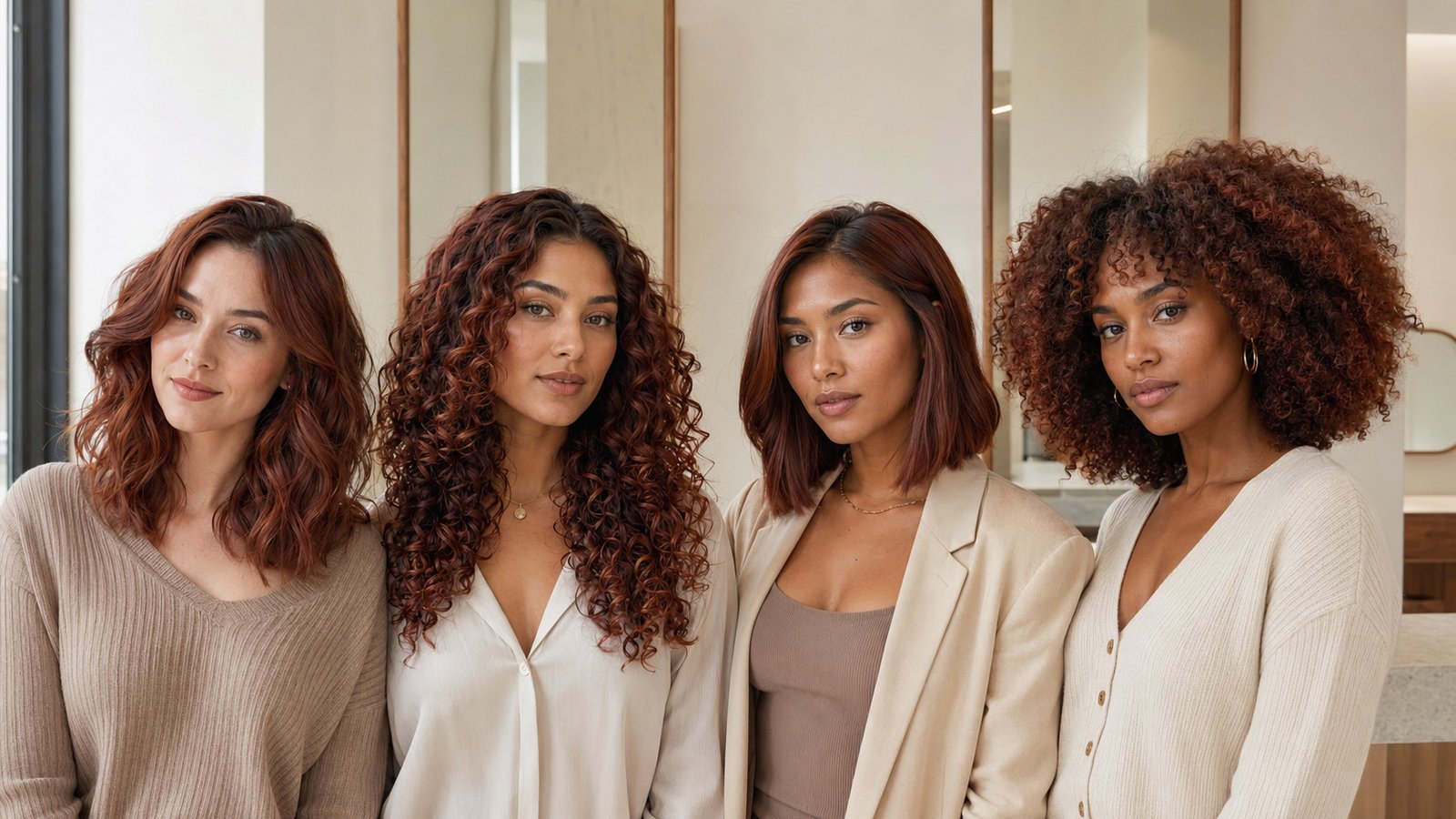
Classic ginger and basic auburn are beautiful, but they aren’t the only ways to wear copper. The most interesting copper shades combine unexpected brown, burgundy, rose, gold, or smoky undertones, creating color that shifts naturally in different light. These 10 Copper Hair Color Ideas for a Warm Fall Refresh skip the predictable options in favor of distinctive, wearable shades.
Before choosing one, look beyond the most obvious color in your inspiration photo. Copper can lean orange, red, gold, pink, or brown, and that secondary undertone determines how it works with your complexion. Your natural hair depth and previous color also affect whether the result needs simple pigment deposit or controlled lightening.
Choosing Among These 10 Copper Hair Color Ideas for a Warm Fall Refresh
Warm or golden complexions usually handle amber, saffron, and persimmon tones well. Neutral and olive skin often suits earthy paprika, antique copper, and dimensional cola shades, while cool undertones may prefer rosewood or black-cherry copper. These aren’t rigid rules because adjusting the amount of red, orange, gold, and brown can make almost any copper family more flattering.
Dark hair doesn’t always need to be lifted to pale blonde before adding copper. Deeper colors such as spiced cola and copper truffle can sit over a brunette base, although some lightening may be needed for visible ribbons or brighter ends. Previously dyed dark hair is less predictable because color cannot reliably lift artificial color without a separate removal or lightening process.
Good to Know: Tell your colorist how you want the hair to look indoors as well as in sunlight. Many deep copper shades appear brunette in a dim room but reveal far more red or orange outdoors.
1. Smoked Paprika Copper
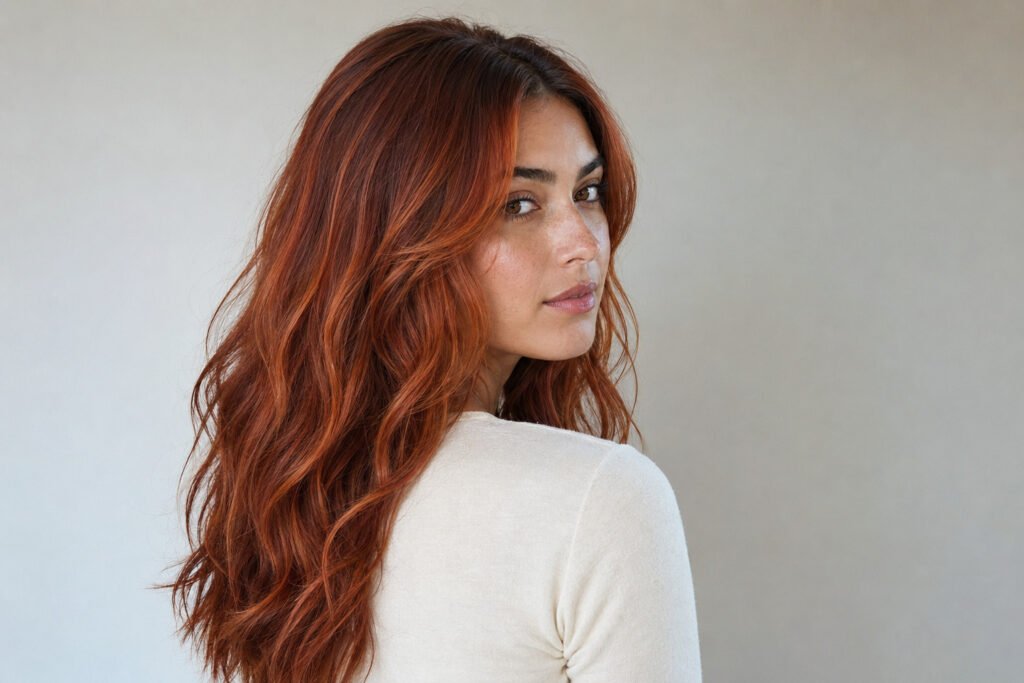
Smoked paprika copper combines burnt red, earthy orange, and muted brown for a warm shade that never looks neon. It works especially well on neutral, olive, and golden complexions because the brown base controls the brightness. Ask for deeper roots and slightly brighter paprika ribbons around the face to keep the finish dimensional rather than flat.
2. Black Cherry Copper
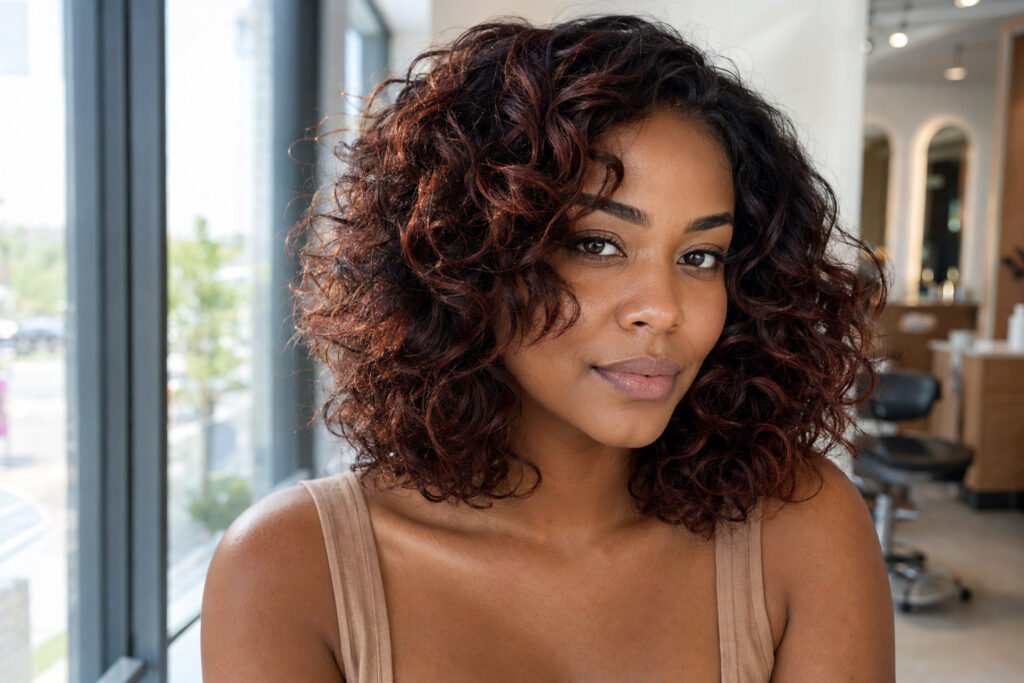
Black cherry copper blends deep cherry-red with a restrained copper reflection over a dark brunette base. It’s particularly striking on medium and deep skin tones, although its cooler red balance can also flatter fair complexions. Request copper warmth instead of purple burgundy; too much violet will remove the glowing, ember-like quality that makes this shade distinctive.
3. Antique Copper Brown
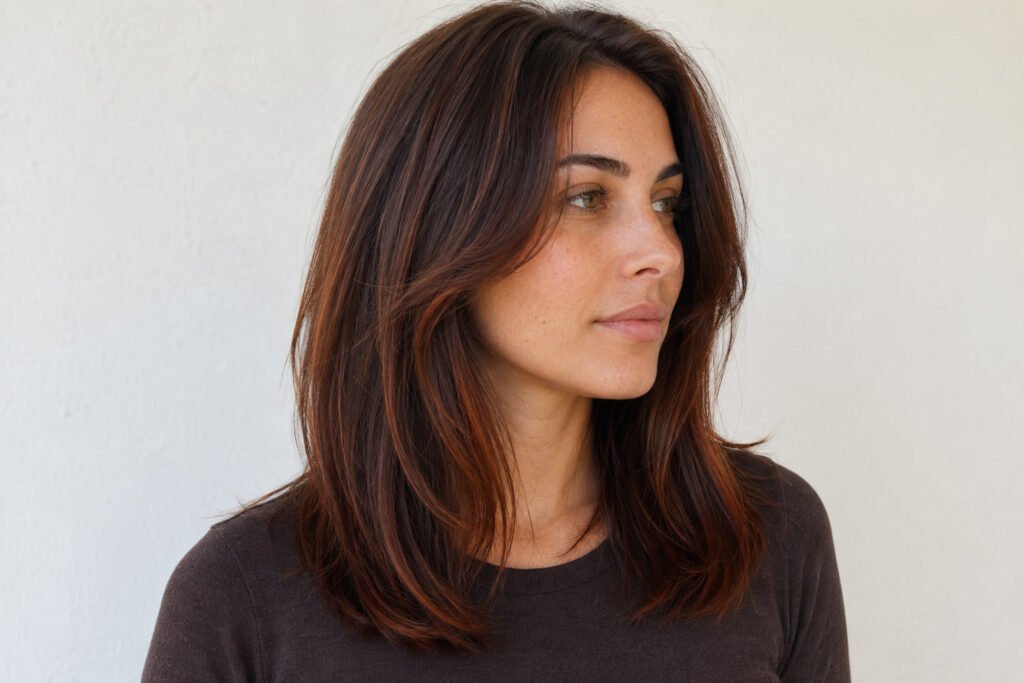
Antique copper brown resembles naturally aged copper rather than a newly polished penny. Its muted orange-red warmth sits inside a medium-brown base, making it a sophisticated choice for brunettes and neutral or olive undertones. Ask for fine, irregular copper pieces through the mid-lengths instead of bright highlights beginning directly at the scalp.
4. Mulled Wine Copper
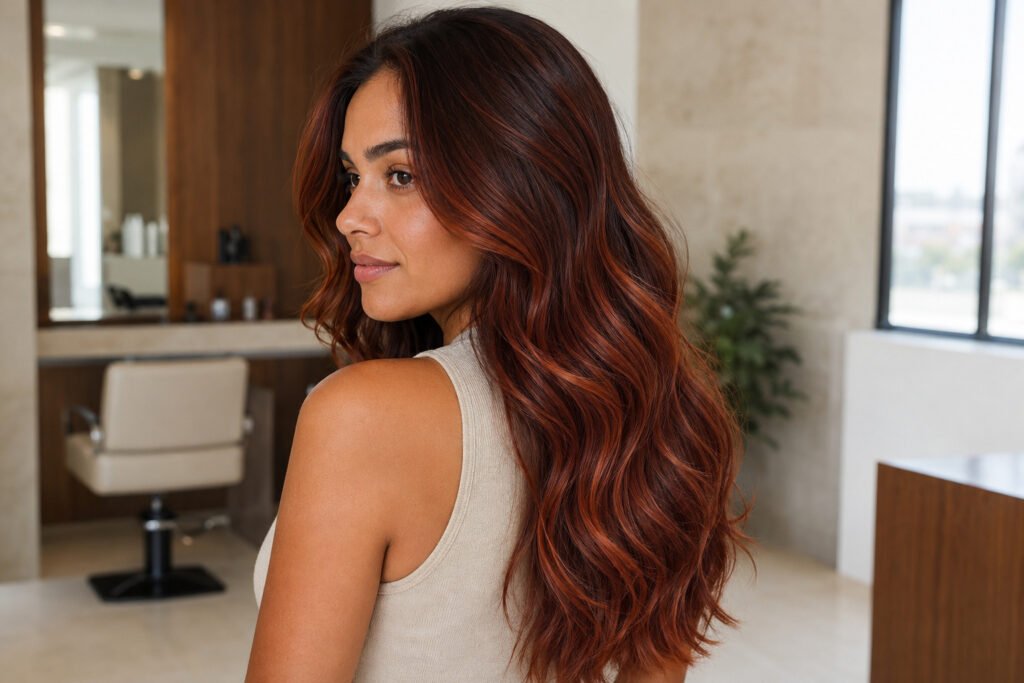
Mulled wine copper combines warm burgundy, cinnamon brown, and small flashes of copper. It offers more depth than conventional auburn and looks especially rich against medium, olive, or deep complexions. Ask your colorist to keep the formula red-brown rather than violet-red, then add a warmer copper gloss where you want the light to catch.
5. Toasted Persimmon Copper
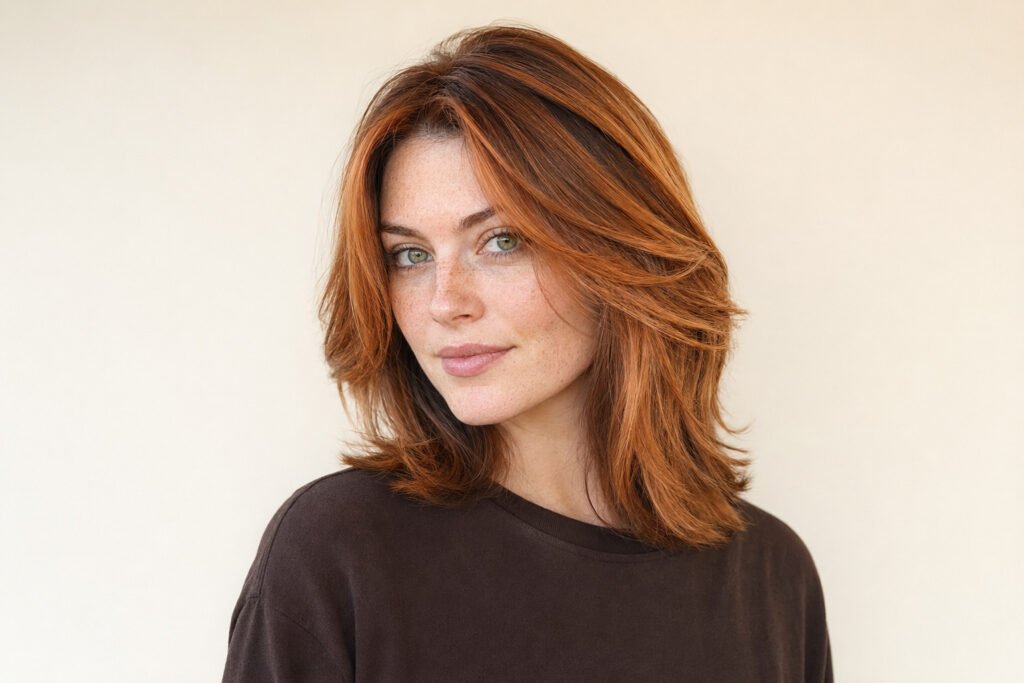
Toasted persimmon copper is a juicy burnt-orange shade softened with amber and light brown. It flatters warm, peachy, and neutral complexions, particularly when the natural base sits between dark blonde and medium brown. Request a slightly shadowed root and golden-copper dimension so the color looks toasted and glossy instead of resembling one-note fashion orange.
6. Copper Truffle Brunette
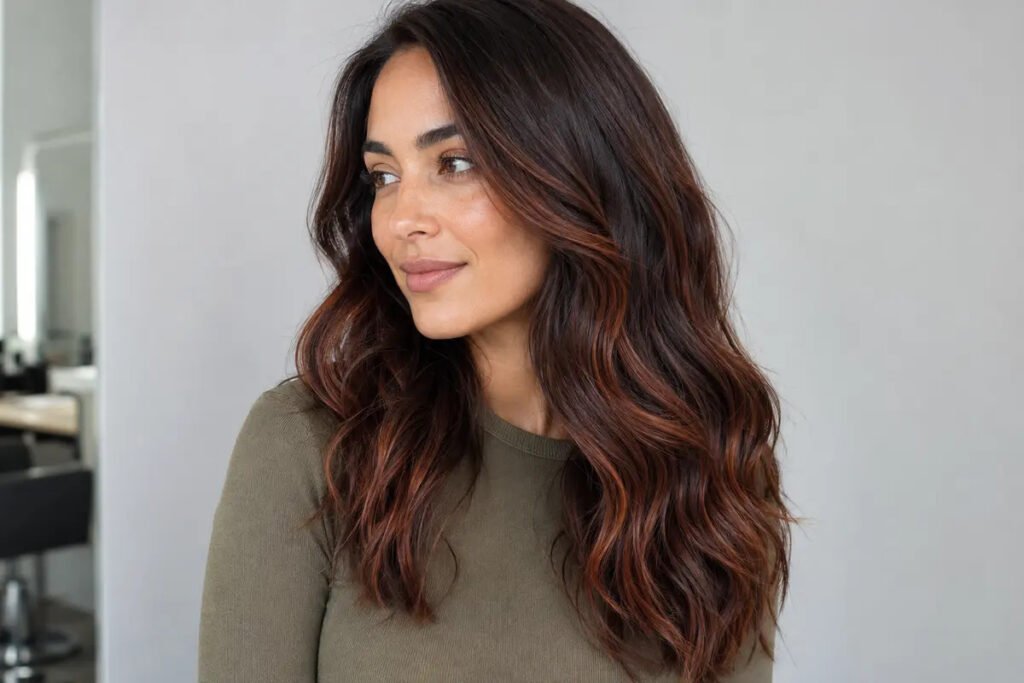
Copper truffle brunette starts with a deep chocolate-brown base and adds narrow ribbons of reddish copper. It suits natural brunettes who want visible warmth without becoming an obvious redhead, and its depth complements nearly every complexion. Keep the brightest pieces around the cheekbones and ends while leaving enough chocolate between them to preserve contrast.
7. Rosewood Copper
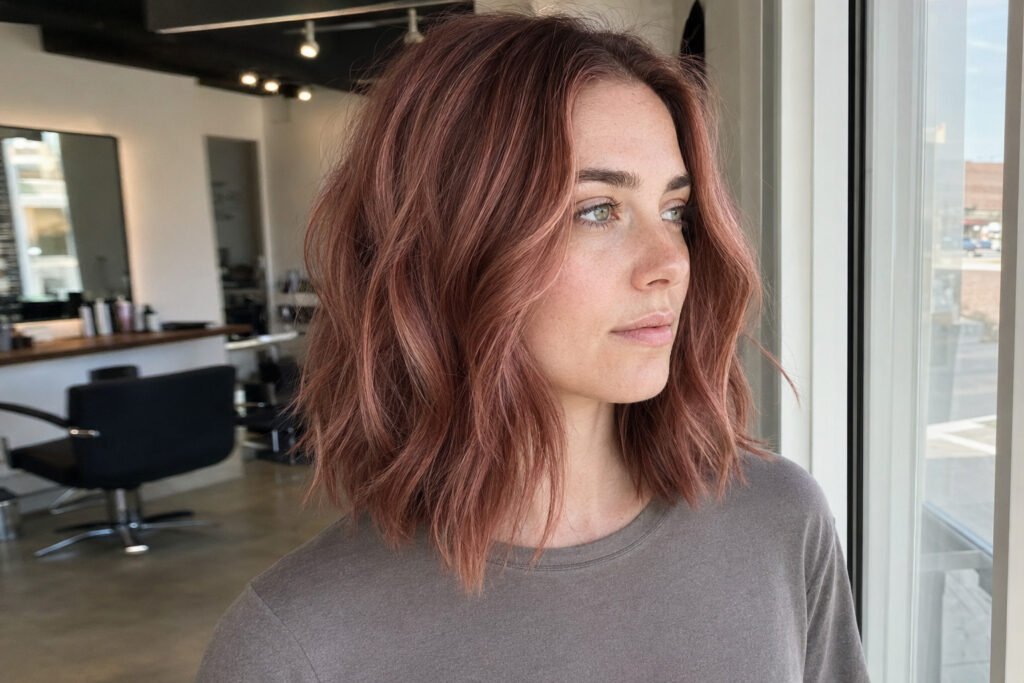
Rosewood copper mixes dusty rose, muted red-brown, and a restrained amount of orange warmth. It’s a smart option for cool or neutral undertones that can look washed out beside bright golden copper. Ask for a rose-brown base with copper reflection, not pastel pink, and expect the delicate rosy cast to fade sooner than the underlying warmth.
8. Burnished Saffron Copper
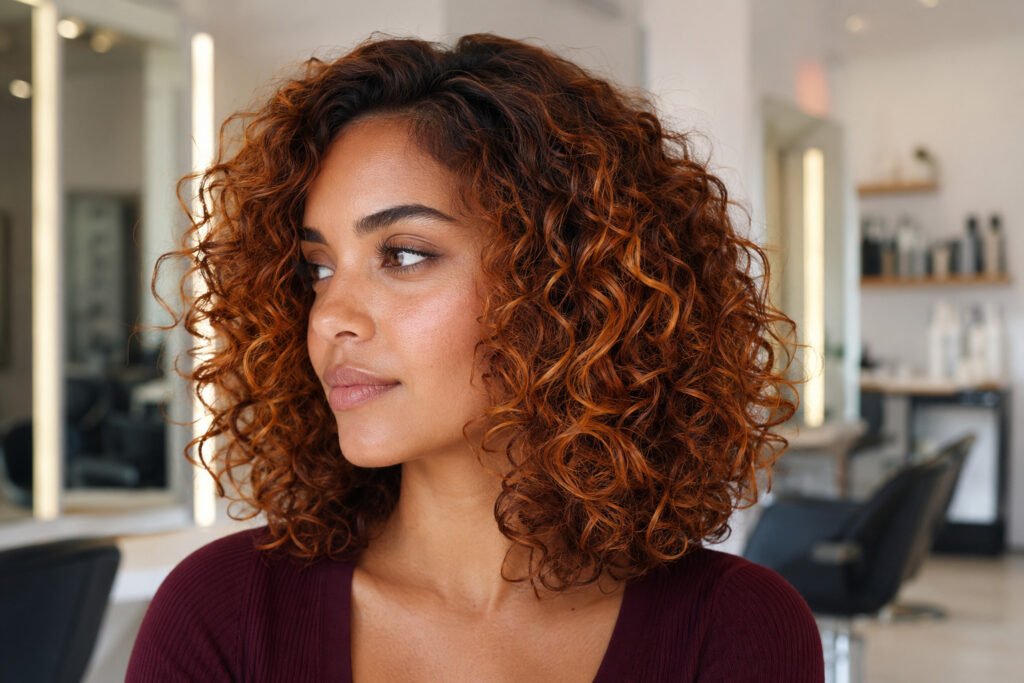
Burnished saffron copper combines deep golden-yellow warmth with orange-red pigment and a softly browned base. It works beautifully with golden, warm olive, and peach undertones, especially when brown, amber, or hazel eyes need more definition. Ask for burnished depth at the roots because an overly light base can make this shade look brassy rather than intentional.
9. Ember Copper Melt
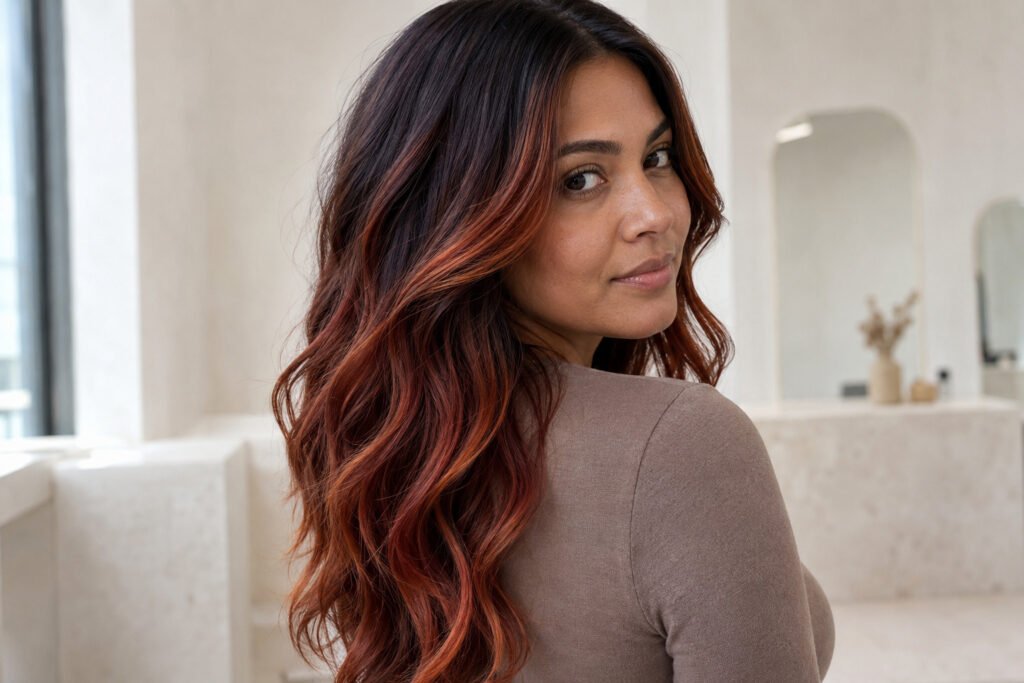
Ember copper melt moves from espresso or dark auburn roots into glowing ember-red lengths and brighter copper ends. The gradual transition suits naturally dark hair and creates movement on long layers, curls, or textured cuts. Request a seamless tonal melt with no harsh bands, and keep the lightest copper away from fragile ends if they’re already highly porous.
10. Spiced Cola Copper
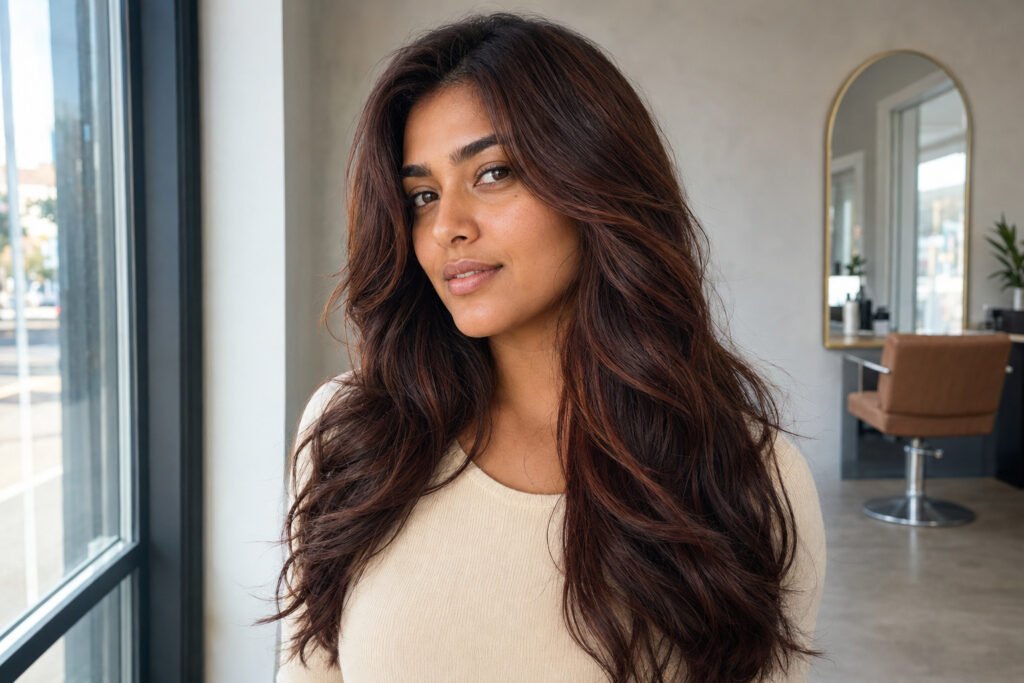
Spiced cola copper is a deep cola-brown shade infused with cinnamon red and subtle copper shine. It appears primarily brunette indoors, then reveals its warmth in daylight, making it ideal for anyone who wants an understated change. Ask for a red-brown base with a copper gloss and avoid strong mahogany-violet tones that could overpower the cinnamon effect.
What Makes an Uncommon Copper Look Expensive
Unusual hair color still needs believable dimension. If every strand carries the same amount of orange or red, the finished shade can resemble a wig even when the application is technically even. Maintaining a deeper root, shadowed interior sections, or narrow variations in tone gives the color movement and makes the brighter areas look more reflective.
The hair’s starting condition controls how evenly it accepts pigment. Porous ends absorb warm dye quickly and may turn darker or brighter than healthy roots, while resistant gray hair may need a different formula entirely. I once refreshed faded ends with full-strength copper pigment and ended up with glowing orange tips beneath a softer root—a strand test would have prevented it.
Haircut and texture also change how copper reads. Curly and layered hair naturally exposes different surfaces to the light, so restrained color placement often produces plenty of dimension. Very straight, one-length hair may need finer tonal variations to stop a dark copper formula from looking heavy.
Watch Out: Henna, metallic-salt dyes, old box color, and repeated dark glosses can complicate lightening. Give your colorist an honest color history and arrange a strand test if there’s uncertainty about how the hair will react.
How to Explain the Color to Your Stylist
Start with the depth you want, then describe the undertone. “Medium brown with muted paprika-red warmth” communicates more than saying “dark copper,” which could mean anything from orange-brown to burgundy. Explain whether you want to look clearly redheaded in every setting or prefer warmth that becomes noticeable mainly in natural light.
Bring two or three reference photos showing hair close to your natural depth and texture. A saffron copper photographed on pre-lightened blonde hair won’t produce the same result over dark brunette lengths. Point out the root depth, brightest areas, and amount of red you like instead of asking your stylist to copy the overall photo blindly.
I also recommend showing one photo of a result you don’t want. Saying “I like this depth, but I don’t want this much orange” prevents more confusion than adding several nearly identical inspiration images. Discuss the likely fading direction because rose, red, gold, and orange pigments don’t always disappear at the same rate.
Keeping Copper Rich Between Appointments
Copper fades visibly because repeated washing, hot tools, UV exposure, and an open or damaged cuticle reduce the intensity of warm pigments. Wash only as often as your scalp needs, use lukewarm water, and choose a gentle shampoo intended for color-treated hair. You don’t need to tolerate greasy roots for the sake of color, but daily harsh cleansing will shorten its freshest stage.
A color-depositing conditioner can replace some warmth between gloss appointments. Choose the pigment according to the intended shade: red-copper supports mulled wine, orange-brown suits antique copper, and gold-copper keeps saffron bright. Always test it underneath first because bleached or porous ends can grab far more pigment than the roots.
Heat protection matters, but tool temperature matters too. Spraying protectant won’t fully compensate for repeatedly using the hottest setting on fragile, colored hair. Lower temperatures and fewer passes help preserve the cuticle’s smoothness, which affects how shiny and dimensional the color appears.
Pro Tip: Mix a strongly pigmented copper conditioner with a plain moisturizing conditioner for better control. This lets you build warmth gradually instead of correcting intensely orange ends afterward.
How Much Maintenance Should You Expect?
Copper truffle, spiced cola, and antique copper brown offer the softest grow-out because they preserve a substantial brunette base. Smoked paprika and mulled wine need regular tonal refreshing, but their depth makes fading less obvious than very bright copper. Persimmon, saffron, and lighter ember ends usually show tonal changes sooner, especially on pre-lightened hair.
A gloss can restore lost warmth and surface shine without repeatedly applying permanent dye through the lengths. Permanent color may still be needed at the roots for significant gray coverage or a larger natural-color change. Pulling permanent color through porous ends at every appointment can create buildup, uneven depth, and unnecessary dryness.
Copper won’t remain identical to its salon-day shade. Rosewood may become warmer as its pink tones soften, while black-cherry copper can lose red intensity and appear more brunette. Choose a color whose faded version you can also live with, not just one that photographs well immediately after the appointment.